
What's inside
What's inside
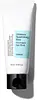 Key Ingredients
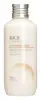
Benefits
Concerns
Ingredients Side-by-side
Oryza Sativa Extract
Absorbent



Butylene Glycol
Humectant
Glycerin
Humectant
Helianthus Annuus Seed Oil
Emollient

Betaine
Humectant
Niacinamide
Smoothing






Dimethicone
Emollient
1,2-Hexanediol
Skin Conditioning
Cetearyl Olivate
Sorbitan Olivate
Emulsifying
Elaeis Guineensis Oil
Emollient
Elaeis Guineensis Kernel Oil
Emollient
Hydroxyethyl Acrylate/Sodium Acryloyldimethyl Taurate Copolymer
Emulsion StabilisingCetearyl Alcohol
Emollient



Ethylhexylglycerin
Skin ConditioningArginine
Masking
Carbomer
Emulsion StabilisingAllantoin
Skin Conditioning
Xanthan Gum
EmulsifyingOryza Sativa Extract, Butylene Glycol, Glycerin, Helianthus Annuus Seed Oil, Betaine, Niacinamide, Dimethicone, 1,2-Hexanediol, Cetearyl Olivate, Sorbitan Olivate, Elaeis Guineensis Oil, Elaeis Guineensis Kernel Oil, Hydroxyethyl Acrylate/Sodium Acryloyldimethyl Taurate Copolymer, Cetearyl Alcohol, Ethylhexylglycerin, Arginine, Carbomer, Allantoin, Xanthan Gum
Water
Skin ConditioningGlycerin
Humectant
Dipropylene Glycol
HumectantCaprylic/Capric Triglyceride
Masking
Hydrogenated Polydecene
EmollientBetaine
Humectant
Polyglyceryl-3 Methylglucose Distearate
Emulsifying
Cyclopentasiloxane
Emollient
Panthenol
Skin Conditioning
Oryza Sativa Extract
Absorbent
Di-C12-13 Alkyl Malate
EmollientCetyl Ethylhexanoate
EmollientCetearyl Alcohol
Emollient
Butyrospermum Parkii Butter
Skin Conditioning
1,2-Hexanediol
Skin Conditioning
Oryza Sativa Bran Oil
Emollient
Ceramide NP
Skin Conditioning
Glycosphingolipids
EmollientCyclohexasiloxane
Emollient
PEG-100 Stearate
Surfactant
Glyceryl Stearate
Emollient
Caprylic/Capric Glycerides
EmollientDimethicone
Emollient
Phenoxyethanol
Preservative
Lecithin
Emollient
Dimethicone/Vinyl Dimethicone Crosspolymer
Skin Conditioning
Acrylates/C10-30 Alkyl Acrylate Crosspolymer
Emulsion StabilisingEthylhexylglycerin
Skin ConditioningPotassium Hydroxide
BufferingCarbomer
Emulsion StabilisingTrisodium EDTA
Sodium Hyaluronate
Humectant
Isoceteth-25
EmulsifyingIsoceteth-10
EmulsifyingPolyglyceryl-10 Oleate
Skin Conditioning
Parfum
Masking



Water, Glycerin, Dipropylene Glycol, Caprylic/Capric Triglyceride, Hydrogenated Polydecene, Betaine, Polyglyceryl-3 Methylglucose Distearate, Cyclopentasiloxane, Panthenol, Oryza Sativa Extract, Di-C12-13 Alkyl Malate, Cetyl Ethylhexanoate, Cetearyl Alcohol, Butyrospermum Parkii Butter, 1,2-Hexanediol, Oryza Sativa Bran Oil, Ceramide NP, Glycosphingolipids, Cyclohexasiloxane, PEG-100 Stearate, Glyceryl Stearate, Caprylic/Capric Glycerides, Dimethicone, Phenoxyethanol, Lecithin, Dimethicone/Vinyl Dimethicone Crosspolymer, Acrylates/C10-30 Alkyl Acrylate Crosspolymer, Ethylhexylglycerin, Potassium Hydroxide, Carbomer, Trisodium EDTA, Sodium Hyaluronate, Isoceteth-25, Isoceteth-10, Polyglyceryl-10 Oleate, Parfum
Reviews
Ingredients Explained
These ingredients are found in both products.
Ingredients higher up in an ingredient list are typically present in a larger amount.
1,2-Hexanediol is a synthetic liquid and another multi-functional powerhouse.
It is a:
- Humectant, drawing moisture into the skin
- Emollient, helping to soften skin
- Solvent, dispersing and stabilizing formulas
- Preservative booster, enhancing the antimicrobial activity of other preservatives
Betaine is a humectant. Like hyaluronic acid, it helps attract and retain moisture in the skin. It’s known for being gentle and for helping the skin maintain balanced hydration.
Betaine is mainly used to improve hydration and support calmer skin. It helps skin cells regulate water balance because it functions as an osmolyte.
Some studies suggest betaine may support making skin tone more even.
Fun fact: Betaine naturally exists in the skin and the body. In cosmetic products, it can be either plant-derived (most commonly from sugar beets) or synthetically produced for consistency and stability.
Betaine is also known as trimethylglycine.
Learn more about BetaineCarbomer is a high-molecular weight polymer of acrylic acid. It is used to form gels and thicken formulas.
Due to its large molecular size, carbomer has minimal skin penetration and is considered an inert ingredient.
A high amount of carbomer can cause pilling or balling up of products. Don't worry, most products contain 1% or less of carbomer.
Learn more about CarbomerCetearyl alcohol is a waxy mixture of two fatty alcohols: cetyl alcohol and stearyl alcohol. It is an emollient and emulsifier.
Despite having "alcohol" in its name, it has nothing to do with drying solvent alcohols; the FDA also allows "alcohol-free" products to contain fatty alcohols like this ingredient.
It plays several roles in a formula:
Typical use levels for this ingredient sit around 1-10% and the Cosmetic Ingredient Review Expert Panel has affirmed safety at concentrations up to 25% in leave-on products.
Multiple assessments have found it to be non-irritating and non-sensitizing to most people.
However, there have been some cases of allergic contact dermatitis in patients with chronically compromised skin barriers.
Cetearyl alcohol has a comedogenic rating of 2 and irritancy rating of 1. Both of these numbers come from the 1989 study that used rabbit ears; a "2" means mildly comedogenic and a "1" means low irritancy.
Here's the catch: rabbit skin is more sensitive than human skin and throws a lot of false positives. A 1996 reappraisal found that ingredients rated 1-2 in the rabbit ear tests are generally safe for humans.
Remember comedogenic ratings are unable to assess the entire formula of a product or how it will react on your skin. Just be sure to patch test if you are unsure about certain ingredients.
This ingredient is not fungal acne safe. Cetearyl alcohol is a fatty alcohol with chain lengths that fall within the range that Malassezia can metabolize.
A 2019 study has also observed Malassezia growth in the presence of this ingredient, confirming it to be not-fungal acne safe.
Learn more about Cetearyl AlcoholDimethicone is a type of synthetic silicone created from natural materials such as quartz. It is also known as polydimethylsiloxane.
What it does:
Dimethicone comes in different viscosities:
Depending on the viscosity, dimethicone has different properties.
Ingredients lists don't always show which type is used, so we recommend reaching out to the brand if you have questions about the viscosity.
This ingredient is unlikely to cause irritation because it does not get absorbed into skin. However, people with silicone allergies should be careful about using this ingredient.
Note: Dimethicone may contribute to pilling. This is because it is not oil or water soluble, so pilling may occur when layered with products. When mixed with heavy oils in a formula, the outcome is also quite greasy.
Learn more about DimethiconeEthylhexylglycerin is created from glycerin. It is a multitasker ingredient that:
The CIR Expert Panel found minimal skin absorption or sensitization of any kind in a safety assessment. Though this ingredient is considered well-tolerated, a small number of cases of allergic dermatitis have been published since 2002. Just be sure to patch test if you are unsure.
Industry-reported use ranges from 8% in rinse-off products and 2% in leave-on formulations.
Learn more about EthylhexylglycerinGlycerin (or glycerol) is a compound naturally found in your skin. It's a powerhouse humectant that pulls water into the stratum corneum.
Topically, glycerin does several things at once:
Your skin makes glycerin on its own (mostly from sebaceous oil breakdown) and shuttles it to your outermost layer of skin, or your epidermis, via aquaporin-3.
Aquaporin-3 is a transporter that is essential for normal skin hydration, elasticity, and repair. Interestingly, mice lacking in AQP3 have dry and less elastic skin that can be fully corrected with glycerin.
This ingredient is non-irritating, plays well with almost every ingredient, and works across all skin types. Typical use is anywhere between 3-10% but can go up to 79% in some leave-on products.
Just know very high concentrations (>40%) can feel tacky in low humidity.
Glycerin is the name for this ingredient in American English. British English uses Glycerol/Glycerine.
Learn more about GlycerinOryza Sativa Extract comes from the rice grain, Oryza sativa. Rice extract has wound healing, antioxidant, anti-inflammatory, and hydrating properties.
Rice grains contain numerous antioxidants which may help with anti-aging, such as vitamin E. Antioxidants help stabilize free-radical molecules. Unstable free-radical molecules may damage your skin cells and accelerate signs of aging.
A study from 2002 found rice to help increase the rate of wound healing. The same study found an improvement of skin barrier function in the patients after taking rice baths.
Numerous in-vitro studies have found rice water to help decrease sun damage by increasing collagen production and inhibiting the process of tyrosinase.
Long story short- tyrosinase is an enzyme that controls melanin production. Our bodies start producing melanin (AKA tanning) when exposed to UV radiation to protect against damage. Rice water is found to partially block this process.
Though more research is needed on rice's ability to help with UV protection, recent studies seem promising.
Wondering why rice is hydrating? The protein in rice have emollient properties. Emollients create a barrier on the skin to trap moisture in, keeping your skin moisturized.
Some rice extract may have mildly-exfoliating properties. These are mainly limited to Oryza Sativa (Rice) Bran and Oryza Sativa (Rice) Germ Powder.
This rice was first cultivated in China over 10,000 years ago. Many cultures throughout Asia have used rice water on skin and hair for centuries.
Learn more about Oryza Sativa Extract
