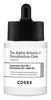
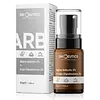
COSRX The Alpha-Arbutin 2 Discoloration Care Serum Versus Dr Ceutics Alpha Arbutin 5% + Kojic Dipalmitate 2% Serum
This brightening serum is formulated around Niacinamide and Tranexamic Acid to fade the look of dark spots and brighten dull-looking skin.
This brightening serum is formulated around Alpha-Arbutin and 3-O-Ethyl Ascorbic Acid to fade the look of dark spots and brighten dull-looking skin.


What's inside
What's inside
 Key Ingredients
Benefits
Concerns
Ingredients Side-by-side
Water
Skin ConditioningPropanediol
Solvent

Glycerin
Humectant
Niacinamide 5%
Smoothing









Tranexamic Acid
Astringent
Acetyl Glucosamine 2%
Skin Conditioning
Alpha-Arbutin 2%
Antioxidant

1,2-Hexanediol
Skin Conditioning
Dimethicone
Emollient
Dimethyl Isosorbide
SolventDiethoxyethyl Succinate
SolventButylene Glycol
Humectant
Citric Acid
Buffering

Alcohol
Antimicrobial



Sodium Polyacryloyldimethyl Taurate
Emulsion StabilisingHydrogenated Lecithin
Emulsifying
Xanthan Gum
EmulsifyingSodium Metabisulfite
Antioxidant
Disodium EDTA
ChelatingEthylhexylglycerin
Skin ConditioningDextrin
AbsorbentTheobroma Cacao Extract
Skin ConditioningSodium Citrate
BufferingMadecassoside
Antioxidant
Sodium Methyl Stearoyl Taurate
CleansingSodium Hyaluronate
Humectant
Tocopherol
Antioxidant
Hydrolyzed Hyaluronic Acid
Humectant
Sodium Hyaluronate Crosspolymer
Humectant
Hyaluronic Acid
Humectant
Ferulic Acid
Antimicrobial
Glycyrrhiza Glabra Root Extract
Bleaching
Panthenol
Skin Conditioning
Arginine
Masking
Methyl Trimethicone
Skin Conditioning
Allantoin
Skin Conditioning
Glutathione
Sodium Acetylated Hyaluronate
Humectant
Water, Propanediol, Glycerin, Niacinamide 5%, Tranexamic Acid, Acetyl Glucosamine 2%, Alpha-Arbutin 2%, 1,2-Hexanediol, Dimethicone, Dimethyl Isosorbide, Diethoxyethyl Succinate, Butylene Glycol, Citric Acid, Alcohol, Sodium Polyacryloyldimethyl Taurate, Hydrogenated Lecithin, Xanthan Gum, Sodium Metabisulfite, Disodium EDTA, Ethylhexylglycerin, Dextrin, Theobroma Cacao Extract, Sodium Citrate, Madecassoside, Sodium Methyl Stearoyl Taurate, Sodium Hyaluronate, Tocopherol, Hydrolyzed Hyaluronic Acid, Sodium Hyaluronate Crosspolymer, Hyaluronic Acid, Ferulic Acid, Glycyrrhiza Glabra Root Extract, Panthenol, Arginine, Methyl Trimethicone, Allantoin, Glutathione, Sodium Acetylated Hyaluronate
Water
Skin ConditioningAlpha-Arbutin
Antioxidant
3-O-Ethyl Ascorbic Acid
Skin Conditioning
Kojic Dipalmitate
Emollient
C12-15 Alkyl Benzoate
AntimicrobialMeteorite Extract
Skin ProtectingResveratrol
Antioxidant
Tremella Fuciformis Extract
Humectant
Saussurea Involucrata Extract
HumectantKappaphycus Alvarezii Extract
Skin Conditioning
Caprylic/Capric Triglyceride
Masking
C14-22 Alcohols
Emulsion Stabilising
C12-20 Alkyl Glucoside
EmulsifyingPolyacrylate Crosspolymer-6
Emulsion StabilisingHydroxyethyl Acrylate/Sodium Acryloyldimethyl Taurate Copolymer
Emulsion StabilisingIsohexadecane
EmollientButylene Glycol
Humectant
Polysorbate 60
Emulsifying
1,2-Hexanediol
Skin Conditioning
Lauryl Glucoside
CleansingMyristyl Glucoside
CleansingPolyglyceryl-6 Laurate
Emulsifying
Tetrasodium EDTA
ChelatingPhenoxyethanol
Preservative
Ethylhexylglycerin
Skin ConditioningWater, Alpha-Arbutin, 3-O-Ethyl Ascorbic Acid, Kojic Dipalmitate, C12-15 Alkyl Benzoate, Meteorite Extract, Resveratrol, Tremella Fuciformis Extract, Saussurea Involucrata Extract, Kappaphycus Alvarezii Extract, Caprylic/Capric Triglyceride, C14-22 Alcohols, C12-20 Alkyl Glucoside, Polyacrylate Crosspolymer-6, Hydroxyethyl Acrylate/Sodium Acryloyldimethyl Taurate Copolymer, Isohexadecane, Butylene Glycol, Polysorbate 60, 1,2-Hexanediol, Lauryl Glucoside, Myristyl Glucoside, Polyglyceryl-6 Laurate, Tetrasodium EDTA, Phenoxyethanol, Ethylhexylglycerin
Reviews
Ingredients Explained
These ingredients are found in both products.
Ingredients higher up in an ingredient list are typically present in a larger amount.
1,2-Hexanediol is a synthetic liquid and another multi-functional powerhouse.
It is a:
- Humectant, drawing moisture into the skin
- Emollient, helping to soften skin
- Solvent, dispersing and stabilizing formulas
- Preservative booster, enhancing the antimicrobial activity of other preservatives
Alpha-Arbutin is a brightening active used to fade dark spots, melasma, and post-acne marks. Structurally, it is a hydroquinone with a sugar molecule attached (but is much gentler than raw hydroquinone).
It has a pretty elegant way of working; it slots into tyrosinase, or the key enzyme that your skin uses to make melanin), and competitively blocks it so your skin produces less pigment over time.
There are two forms of arbutin and alpha is the better one to reach for: it works at lower amounts, absorbs into skin more easily, and has a strong safety record.
The science backs this up too: lab and animal studies confirm it lowers melanin by blocking tyosinase and the more you use (up to a point), the more it works.
Human studies look good too.
A 2024 trial found a cream with 5% alpha-arbutin and 2% kojic acid worked about as well as a prescription melasma cream but with fewer side effects. Another study showed 2% alpha-arbutin paired with 10% Trihydroxybenzoic Acid Glucoside and sunscreen faded dark spots and melasma without causing irritation.
Concentration-wise, most serums land in the 1-2% range.
The EU's Scientific Committee on Consumer Safety concluded that alpha-arbutin is safe in face creams up to 2% and body lotions up to 0.5%.
Overall, this is a well-studied and low-irritation brightener that's a great pick for anyone dealing with uneven skin tone. It also pairs well with vitamin C, niacinamide, and sunscreen.
Learn more about Alpha-ArbutinButylene Glycol (or BG) is used within cosmetic products for a few different reasons:
Overall, Butylene Glycol is a safe and well-rounded ingredient that works well with other ingredients.
Though this ingredient works well with most skin types, some people with sensitive skin may experience a reaction such as allergic rashes, closed comedones, or itchiness.
Learn more about Butylene GlycolEthylhexylglycerin is created from glycerin. It is a multitasker ingredient that:
The CIR Expert Panel found minimal skin absorption or sensitization of any kind in a safety assessment. Though this ingredient is considered well-tolerated, a small number of cases of allergic dermatitis have been published since 2002. Just be sure to patch test if you are unsure.
Industry-reported use ranges from 8% in rinse-off products and 2% in leave-on formulations.
Learn more about EthylhexylglycerinWater. It's the most common cosmetic ingredient of all. You'll usually see it at the top of ingredient lists, meaning that it makes up the largest part of the product.
So why is it so popular? Water most often acts as a solvent - this means that it helps dissolve other ingredients into the formulation.
You'll also recognize water as that liquid we all need to stay alive. If you see this, drink a glass of water. Remember to stay hydrated!
Learn more about Water

