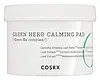
This calming toner pad uses a pre-saturated pad with Centella Asiatica Extract and Artemisia Princeps Extract to calm redness and refine skin texture.
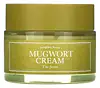
This calming moisturizer is formulated around Artemisia Princeps Extract and Panthenol to calm redness and hydrate skin.

What's inside
What's inside
 Key Ingredients
No key ingredients
Benefits
Concerns
Ingredients Side-by-side
Camellia Sinensis Leaf Water
Masking
Butylene Glycol
Humectant

Taraxacum Officinale Leaf Extract
Skin ConditioningCentella Asiatica Extract
Cleansing




Hamamelis Virginiana Leaf Extract
Skin Conditioning

Melaleuca Alternifolia Leaf Extract
Perfuming
Artemisia Princeps Extract
Skin Conditioning
1,2-Hexanediol
Skin Conditioning
Cassia Obtusifolia Seed Extract
Skin ConditioningLactobionic Acid
Buffering




Maltodextrin
Absorbent
Panthenol
Skin Conditioning
Polyglyceryl-10 Laurate
Skin Conditioning

Polyglyceryl-10 Myristate
Skin Conditioning
Glycerin
Humectant
Arginine
Masking
Allantoin
Skin Conditioning
Asiaticoside
Antioxidant
Asiatic Acid
Skin Conditioning
Madecassic Acid
Skin Conditioning
Sodium Hyaluronate
Humectant
Gardenia Florida Fruit Extract
Skin ConditioningCitrus Aurantium Bergamia Fruit Oil
Masking


Menthyl Lactate
Masking
Mentha Haplocalix Extract
MaskingCamellia Sinensis Leaf Water, Butylene Glycol, Taraxacum Officinale Leaf Extract, Centella Asiatica Extract, Hamamelis Virginiana Leaf Extract, Melaleuca Alternifolia Leaf Extract, Artemisia Princeps Extract, 1,2-Hexanediol, Cassia Obtusifolia Seed Extract, Lactobionic Acid, Maltodextrin, Panthenol, Polyglyceryl-10 Laurate, Polyglyceryl-10 Myristate, Glycerin, Arginine, Allantoin, Asiaticoside, Asiatic Acid, Madecassic Acid, Sodium Hyaluronate, Gardenia Florida Fruit Extract, Citrus Aurantium Bergamia Fruit Oil, Menthyl Lactate, Mentha Haplocalix Extract
Artemisia Princeps Extract 73.55%
Skin Conditioning
Propanediol
Solvent
Cyclopentasiloxane
Emollient
Glycerin
Humectant
Cetyl Ethylhexanoate
EmollientCyclohexasiloxane
Emollient
Water
Skin ConditioningStearic Acid
Cleansing
Butyrospermum Parkii Butter
Skin Conditioning
Butylene Glycol
Humectant
Hydrogenated Lecithin
Emulsifying
Arachidyl Alcohol
Emollient
Arachidyl Glucoside
EmulsifyingPinus Palustris Leaf Extract
TonicUlmus Davidiana Root Extract
Skin Conditioning
Oenothera Biennis Flower Extract
Astringent1,2-Hexanediol
Skin Conditioning
Stearyl Alcohol
Emollient
Behenyl Alcohol
Emollient
Polyglyceryl-2 Stearate
Emulsifying
Glyceryl Stearate
Emollient
Panthenol
Skin Conditioning
Dipotassium Glycyrrhizate
Humectant
Allantoin
Skin Conditioning
Boswellia Serrata Resin Extract
SmoothingAmmonium Acryloyldimethyltaurate/Vp Copolymer
Hydroxyethyl Acrylate/Sodium Acryloyldimethyl Taurate Copolymer
Emulsion StabilisingDimethiconol
Emollient
Saccharomyces/Viscum Album Ferment Extract
Skin Conditioning
Lactobacillus/Soybean Ferment Extract
Skin ConditioningSaccharomyces/Imperata Cylindrica Root Ferment Extract
Emollient
Disodium EDTA
ChelatingPolyglutamic Acid
Skin Conditioning
Pueraria Lobata Root Extract
HumectantArtemisia Vulgaris Oil
Perfuming
Artemisia Princeps Extract 73.55%, Propanediol, Cyclopentasiloxane, Glycerin, Cetyl Ethylhexanoate, Cyclohexasiloxane, Water, Stearic Acid, Butyrospermum Parkii Butter, Butylene Glycol, Hydrogenated Lecithin, Arachidyl Alcohol, Arachidyl Glucoside, Pinus Palustris Leaf Extract, Ulmus Davidiana Root Extract, Oenothera Biennis Flower Extract, 1,2-Hexanediol, Stearyl Alcohol, Behenyl Alcohol, Polyglyceryl-2 Stearate, Glyceryl Stearate, Panthenol, Dipotassium Glycyrrhizate, Allantoin, Boswellia Serrata Resin Extract, Ammonium Acryloyldimethyltaurate/Vp Copolymer, Hydroxyethyl Acrylate/Sodium Acryloyldimethyl Taurate Copolymer, Dimethiconol, Saccharomyces/Viscum Album Ferment Extract, Lactobacillus/Soybean Ferment Extract, Saccharomyces/Imperata Cylindrica Root Ferment Extract, Disodium EDTA, Polyglutamic Acid, Pueraria Lobata Root Extract, Artemisia Vulgaris Oil
Reviews
Ingredients Explained
These ingredients are found in both products.
Ingredients higher up in an ingredient list are typically present in a larger amount.
1,2-Hexanediol is a synthetic liquid and another multi-functional powerhouse.
It is a:
- Humectant, drawing moisture into the skin
- Emollient, helping to soften skin
- Solvent, dispersing and stabilizing formulas
- Preservative booster, enhancing the antimicrobial activity of other preservatives
Allantoin is a soothing ingredient known for its protective and moisturizing properties; it's basically a quiet workhorse ingredient you can find in a huge range of cosmetics.
Though it can be derived from the comfrey plant, allantoin is produced synthetically for cosmetic products to ensure purity.
Research shows it can encourage your skin cells to turn over and renew by stimulating keratinocyte and fibroblast proliferation.
It also has mild keratolytic properties to help loosen and shed dead skin cells without being harsh.
Studies also suggest allantoin can help calm inflammation by dialing down some of the chemical signals your skin sends out when it is irritated.
This ingredient is typically used in the 0.1-0.5% range, and the FDA recognizes it as a skin protectant in OTC products up to 2%.
Overall, allantoin is a wonderful addition to most routines; it is stable across a wide pH range (~4-8), works well with other ingredients, and is considered non-sensitizing/non-irritating.
Fun fact: Allantoin is naturally occurring in comfrey root, beets, chamomile, and wheat sprouts. Our bodies even produce it as a byproduct of uric acid metabolism.
Learn more about AllantoinArtemisia Princeps Extract comes from the Japanese mugwort. This plant has been used in East Asian medicine for a long time and it earns its place in modern formulas as a soothing and barrier-supporting ingredient.
Lab studies show its flavonoid compounds (like eupatilin and jaceosidin) can calm inflammation by switching off one of the main "alarm" signals inside skin cells (NF-kB) and turning down several of the chemicals that drive redness and swelling.
It also acts as an antioxidant. It switched on the skin's own protective enzymes that help mop up free radicals in skin cells.
The barrier side is worth mentioning as well; a 2017 study found this extract boosted two proteins your skin needs for a strong, hydrated barrier (Filaggrin and Loricrin). This is likely why mugwort products tend to ease dryness and flaking in conditions like eczema.
Separate-skin moisture testing on volunteers showed a measurable jump in water content one hour after applying an Artemisia extract.
Just keep in mind most of this evidence sits at the cell-culture and animal-model level, and human data is stronger for Artemisia annua than Artemisia princeps.
This ingredient shows real promise and there's little downside to including it as a supporting player in your routine.
Controlled studies tested the extract roughly between 0.1-1% on cells and finished cosmetics generally use botanical extracts like this in low single digits.
Though this ingredient is generally well-tolerated, people with sensitivities toward mugwort or ragweed should patch test.
Learn more about Artemisia Princeps ExtractButylene Glycol (or BG) is used within cosmetic products for a few different reasons:
Overall, Butylene Glycol is a safe and well-rounded ingredient that works well with other ingredients.
Though this ingredient works well with most skin types, some people with sensitive skin may experience a reaction such as allergic rashes, closed comedones, or itchiness.
Learn more about Butylene GlycolGlycerin (or glycerol) is a compound naturally found in your skin. It's a powerhouse humectant that pulls water into the stratum corneum.
Topically, glycerin does several things at once:
Your skin makes glycerin on its own (mostly from sebaceous oil breakdown) and shuttles it to your outermost layer of skin, or your epidermis, via aquaporin-3.
Aquaporin-3 is a transporter that is essential for normal skin hydration, elasticity, and repair. Interestingly, mice lacking in AQP3 have dry and less elastic skin that can be fully corrected with glycerin.
This ingredient is non-irritating, plays well with almost every ingredient, and works across all skin types. Typical use is anywhere between 3-10% but can go up to 79% in some leave-on products.
Just know very high concentrations (>40%) can feel tacky in low humidity.
Glycerin is the name for this ingredient in American English. British English uses Glycerol/Glycerine.
Learn more about GlycerinPanthenol is a common ingredient that helps hydrate and soothe the skin. It is found naturally in our skin and hair.
There are two forms of panthenol: D and L.
D-panthenol is also known as dexpanthenol. Most cosmetics use dexpanthenol or a mixture of D and L-panthenol.
Panthenol is famous due to its ability to go deeper into the skin's layers. Using this ingredient has numerous pros (and no cons):
Like hyaluronic acid, panthenol is a humectant. Humectants are able to bind and hold large amounts of water to keep skin hydrated.
This ingredient works well for wound healing. It works by increasing tissue in the wound and helps close open wounds.
Once oxidized, panthenol converts to pantothenic acid. Panthothenic acid is found in all living cells.
This ingredient is also referred to as pro-vitamin B5.
Learn more about Panthenol

