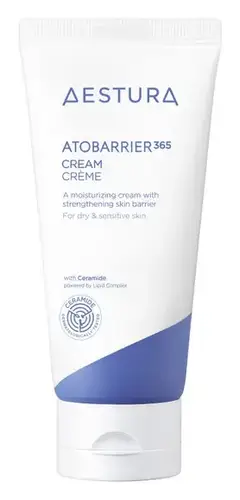

What's inside
What's inside
 Key Ingredients
Benefits
Concerns
Ingredients Side-by-side
Snail Secretion Filtrate
Skin Conditioning





Betaine
Humectant
Caprylic/Capric Triglyceride
Masking
Cetearyl Olivate


Sorbitan Olivate
Emulsifying
Cetearyl Alcohol
Emollient



Carbomer
Emulsion StabilisingArginine
Masking
Dimethicone
Emollient
Sodium Polyacrylate
Absorbent
Phenoxyethanol
Preservative
Sodium Hyaluronate
Humectant

Stearic Acid
Cleansing
Allantoin
Skin Conditioning
Panthenol
Skin Conditioning
Xanthan Gum
EmulsifyingEthyl Hexanediol
SolventAdenosine
Skin Conditioning
Water
Skin ConditioningButylene Glycol
Humectant
Glycerin
Humectant
Butylene Glycol Dicaprylate/Dicaprate
EmollientCetyl Ethylhexanoate
EmollientSqualane
Emollient
Pentaerythrityl Tetraisostearate
Emollient
Dicaprylyl Carbonate
EmollientBehenyl Alcohol
Emollient
Dimethicone
Emollient
Hydroxypropyl Bispalmitamide Mea
Emollient
Stearic Acid
Cleansing
Betaine
Humectant
Mannitol
Humectant
C14-22 Alcohols
Emulsion Stabilising
Palmitic Acid
Emollient
Hydroxypropyl Bislauramide Mea
EmollientArachidyl Alcohol
Emollient
Cholesterol
Emollient
Polyacrylate-13
C12-20 Alkyl Glucoside
EmulsifyingAllantoin
Skin Conditioning
Arachidyl Glucoside
EmulsifyingNiacinamide
Smoothing






Ceramide NP
Skin Conditioning
Glyceryl Caprylate
EmollientEthylhexylglycerin
Skin ConditioningHydrogenated Polyisobutene
EmollientCarbomer
Emulsion StabilisingTromethamine
BufferingDimethiconol
Emollient
Polyglyceryl-10 Laurate
Skin Conditioning
Hydrogenated Lecithin
Emulsifying
Ethylhexyl Palmitate
Emollient
Acrylates/Ammonium Methacrylate Copolymer
Sorbitan Isostearate
Emulsifying
Silica
Abrasive
Phytosphingosine
Skin Conditioning
Sphingolipids
Emollient
Arachidic Acid
Cleansing
Tocopherol
Antioxidant

Oleic Acid
Emollient
Water, Butylene Glycol, Glycerin, Butylene Glycol Dicaprylate/Dicaprate, Cetyl Ethylhexanoate, Squalane, Pentaerythrityl Tetraisostearate, Dicaprylyl Carbonate, Behenyl Alcohol, Dimethicone, Hydroxypropyl Bispalmitamide Mea, Stearic Acid, Betaine, Mannitol, C14-22 Alcohols, Palmitic Acid, Hydroxypropyl Bislauramide Mea, Arachidyl Alcohol, Cholesterol, Polyacrylate-13, C12-20 Alkyl Glucoside, Allantoin, Arachidyl Glucoside, Niacinamide, Ceramide NP, Glyceryl Caprylate, Ethylhexylglycerin, Hydrogenated Polyisobutene, Carbomer, Tromethamine, Dimethiconol, Polyglyceryl-10 Laurate, Hydrogenated Lecithin, Ethylhexyl Palmitate, Acrylates/Ammonium Methacrylate Copolymer, Sorbitan Isostearate, Silica, Phytosphingosine, Sphingolipids, Arachidic Acid, Tocopherol, Oleic Acid
Reviews
Alternatives
Ingredients Explained
These ingredients are found in both products.
Ingredients higher up in an ingredient list are typically present in a larger amount.
Allantoin is a soothing ingredient known for its protective and moisturizing properties; it's basically a quiet workhorse ingredient you can find in a huge range of cosmetics.
Though it can be derived from the comfrey plant, allantoin is produced synthetically for cosmetic products to ensure purity.
Research shows it can encourage your skin cells to turn over and renew by stimulating keratinocyte and fibroblast proliferation.
It also has mild keratolytic properties to help loosen and shed dead skin cells without being harsh.
Studies also suggest allantoin can help calm inflammation by dialing down some of the chemical signals your skin sends out when it is irritated.
This ingredient is typically used in the 0.1-0.5% range, and the FDA recognizes it as a skin protectant in OTC products up to 2%.
Overall, allantoin is a wonderful addition to most routines; it is stable across a wide pH range (~4-8), works well with other ingredients, and is considered non-sensitizing/non-irritating.
Fun fact: Allantoin is naturally occurring in comfrey root, beets, chamomile, and wheat sprouts. Our bodies even produce it as a byproduct of uric acid metabolism.
Learn more about AllantoinBetaine is a humectant. Like hyaluronic acid, it helps attract and retain moisture in the skin. It’s known for being gentle and for helping the skin maintain balanced hydration.
Betaine is mainly used to improve hydration and support calmer skin. It helps skin cells regulate water balance because it functions as an osmolyte.
Some studies suggest betaine may support making skin tone more even.
Fun fact: Betaine naturally exists in the skin and the body. In cosmetic products, it can be either plant-derived (most commonly from sugar beets) or synthetically produced for consistency and stability.
Betaine is also known as trimethylglycine.
Learn more about BetaineCarbomer is a synthetic thickening and gelling agent. It's basically the ingredient that gives a lot of serums, gels, creams, and sunscreens their smooth, non-sticky texture.
Although legally permitted at very high levels, carbomers are normally used at concentrations below 1%.
It also needs to be neutralized to actually thicken, and because it is a large molecule, it doesn't really penetrate the skin barrier.
Allergy-wise, the risk is very low. Clinical studies show carbomers have low potential for skin irritation/sensitization even at concentrations up to 100%.
A 2024 UK study patch-tested 1,302 patients and found true allergy to the parent group of carbomer to be rare with no confirmed relevant reactions.
Learn more about CarbomerDimethicone is a type of synthetic silicone created from natural materials such as quartz. It is also known as polydimethylsiloxane.
What it does:
Dimethicone comes in different viscosities:
Depending on the viscosity, dimethicone has different properties.
Ingredients lists don't always show which type is used, so we recommend reaching out to the brand if you have questions about the viscosity.
This ingredient is unlikely to cause irritation because it does not get absorbed into skin. However, people with silicone allergies should be careful about using this ingredient.
Note: Dimethicone may contribute to pilling. This is because it is not oil or water soluble, so pilling may occur when layered with products. When mixed with heavy oils in a formula, the outcome is also quite greasy.
Learn more about DimethiconeStearic Acid is a fatty acid that is already found in your skin. It's one of the free fatty acids that works alongside ceramides and cholesterols to maintain your barrier.
In cosmetics, it is a multitasker:
Safety-wise, the CIR Expert Panel has concluded it to be safe in cosmetics when formulated to be non-irritating and non-sensitizing.
Free stearic acid is a C18 fatty acid that the Malassezia yeast can substrate, so this ingredient may not be fungal acne safe.
Learn more about Stearic Acid

