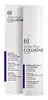
This anti-aging moisturizer is formulated around Niacinamide and Hydroxypinacolone Retinoate to soften the look of wrinkles and refine skin texture.
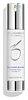
This barrier-repair moisturizer is formulated around Laminaria Digitata Extract and Beta-Glucan to strengthen the skin barrier and hydrate skin.


What's inside
What's inside
 Key Ingredients
Benefits
Concerns
Ingredients Side-by-side
Water
Skin ConditioningC15-19 Alkane
SolventGlycerin
Humectant


Propanediol
Solvent
Butyrospermum Parkii Butter
Skin Conditioning




Cetearyl Isononanoate
Emollient
Pentylene Glycol
Skin Conditioning
Cetearyl Alcohol
Emollient

Sodium Acrylates Crosspolymer-2
AbsorbentCetyl Palmitate
Emollient
Panthenol
Skin Conditioning

Arachidyl Alcohol
Emollient
Niacinamide
Smoothing







Tocopheryl Acetate
Antioxidant

Dimethyl Isosorbide
SolventHydroxypinacolone Retinoate
Skin Conditioning
Pyrus Malus Fruit Extract
Skin Conditioning
Behenyl Alcohol
Emollient
1,2-Hexanediol
Skin Conditioning
Hydroxyacetophenone
Antioxidant
Polyacrylate Crosspolymer-6
Emulsion StabilisingLauroyl Lysine
Skin Conditioning
Arachidyl Glucoside
EmulsifyingCaprylyl Glycol
Emollient
Caprylhydroxamic Acid
ChelatingEthylhexylglycerin
Skin ConditioningLecithin
Emollient
Tetrasodium Glutamate Diacetate
ChelatingTocopherol
Antioxidant
Ascorbyl Palmitate
Antioxidant
Citric Acid
Buffering
Water, C15-19 Alkane, Glycerin, Propanediol, Butyrospermum Parkii Butter, Cetearyl Isononanoate, Pentylene Glycol, Cetearyl Alcohol, Sodium Acrylates Crosspolymer-2, Cetyl Palmitate, Panthenol, Arachidyl Alcohol, Niacinamide, Tocopheryl Acetate, Dimethyl Isosorbide, Hydroxypinacolone Retinoate, Pyrus Malus Fruit Extract, Behenyl Alcohol, 1,2-Hexanediol, Hydroxyacetophenone, Polyacrylate Crosspolymer-6, Lauroyl Lysine, Arachidyl Glucoside, Caprylyl Glycol, Caprylhydroxamic Acid, Ethylhexylglycerin, Lecithin, Tetrasodium Glutamate Diacetate, Tocopherol, Ascorbyl Palmitate, Citric Acid
Water
Skin ConditioningDicaprylyl Carbonate
EmollientCetearyl Isononanoate
Emollient
Glycerin
Humectant
Pentylene Glycol
Skin Conditioning
Cetearyl Alcohol
Emollient
Steareth-20
CleansingSafflower Oil/Palm Oil Aminopropanediol Esters
Skin Conditioning
Laminaria Digitata Extract
Skin Protecting
Opuntia Ficus-Indica Stem Extract
Skin Conditioning
Arabidopsis Thaliana Extract
Antioxidant
Marrubium Vulgare Meristem Cell Culture
Skin ProtectingLeontopodium Alpinum Meristem Cell Culture
Skin ConditioningRetinyl Palmitate
Skin Conditioning
Tocopheryl Acetate
Antioxidant
Tocopherol
Antioxidant
Micrococcus Lysate
Skin ConditioningCaprylyl Glycol
Emollient
Hexylene Glycol
EmulsifyingLactose
HumectantGalactoarabinan
Lecithin
Emollient
Schizophyllan
HumectantBeta-Glucan
Skin Conditioning
1,2-Hexanediol
Skin Conditioning
Carbomer
Emulsion StabilisingCellulose
Absorbent
Maltodextrin
Absorbent
C14-22 Alcohols
Emulsion Stabilising
Cetearyl Glucoside
Emulsifying
C12-20 Alkyl Glucoside
EmulsifyingHydroxypropyl Methylcellulose
Emulsion StabilisingDisodium EDTA
ChelatingSodium Hydroxide
BufferingPhenoxyethanol
Preservative
Ethylhexylglycerin
Skin ConditioningSodium Benzoate
Masking
Parfum
Masking


CI 77007
Cosmetic ColorantLimonene
Perfuming
Water, Dicaprylyl Carbonate, Cetearyl Isononanoate, Glycerin, Pentylene Glycol, Cetearyl Alcohol, Steareth-20, Safflower Oil/Palm Oil Aminopropanediol Esters, Laminaria Digitata Extract, Opuntia Ficus-Indica Stem Extract, Arabidopsis Thaliana Extract, Marrubium Vulgare Meristem Cell Culture, Leontopodium Alpinum Meristem Cell Culture, Retinyl Palmitate, Tocopheryl Acetate, Tocopherol, Micrococcus Lysate, Caprylyl Glycol, Hexylene Glycol, Lactose, Galactoarabinan, Lecithin, Schizophyllan, Beta-Glucan, 1,2-Hexanediol, Carbomer, Cellulose, Maltodextrin, C14-22 Alcohols, Cetearyl Glucoside, C12-20 Alkyl Glucoside, Hydroxypropyl Methylcellulose, Disodium EDTA, Sodium Hydroxide, Phenoxyethanol, Ethylhexylglycerin, Sodium Benzoate, Parfum, CI 77007, Limonene
Reviews
Ingredients Explained
These ingredients are found in both products.
Ingredients higher up in an ingredient list are typically present in a larger amount.
1,2-Hexanediol is a synthetic liquid and another multi-functional powerhouse.
It is a:
- Humectant, drawing moisture into the skin
- Emollient, helping to soften skin
- Solvent, dispersing and stabilizing formulas
- Preservative booster, enhancing the antimicrobial activity of other preservatives
Caprylyl Glycol is a humectant, skin conditioner, emollient, and preservative booster derived from either caprylic acid or synthetically created.
Typical use levels vary from 0.3-1% as a preservative booster and go up to 2% to condition skin.
Because it is not a free-fatty acid, this ingredient is fungal acne safe (there's nothing for Malassezia to feed on).
Learn more about Caprylyl GlycolCetearyl alcohol is a waxy mixture of two fatty alcohols: cetyl alcohol and stearyl alcohol. It is an emollient and emulsifier.
Despite having "alcohol" in its name, it has nothing to do with drying solvent alcohols; the FDA also allows "alcohol-free" products to contain fatty alcohols like this ingredient.
It plays several roles in a formula:
Typical use levels for this ingredient sit around 1-10% and the Cosmetic Ingredient Review Expert Panel has affirmed safety at concentrations up to 25% in leave-on products.
Multiple assessments have found it to be non-irritating and non-sensitizing to most people.
However, there have been some cases of allergic contact dermatitis in patients with chronically compromised skin barriers.
Cetearyl alcohol has a comedogenic rating of 2 and irritancy rating of 1. Both of these numbers come from the 1989 study that used rabbit ears; a "2" means mildly comedogenic and a "1" means low irritancy.
Here's the catch: rabbit skin is more sensitive than human skin and throws a lot of false positives. A 1996 reappraisal found that ingredients rated 1-2 in the rabbit ear tests are generally safe for humans.
Remember comedogenic ratings are unable to assess the entire formula of a product or how it will react on your skin. Just be sure to patch test if you are unsure about certain ingredients.
This ingredient is not fungal acne safe. Cetearyl alcohol is a fatty alcohol with chain lengths that fall within the range that Malassezia can metabolize.
A 2019 study has also observed Malassezia growth in the presence of this ingredient, confirming it to be not-fungal acne safe.
Learn more about Cetearyl AlcoholCetearyl Isononanoate can be bad for oily skin.
Ethylhexylglycerin is created from glycerin. It is a multitasker ingredient that:
The CIR Expert Panel found minimal skin absorption or sensitization of any kind in a safety assessment. Though this ingredient is considered well-tolerated, a small number of cases of allergic dermatitis have been published since 2002. Just be sure to patch test if you are unsure.
Industry-reported use ranges from 8% in rinse-off products and 2% in leave-on formulations.
Learn more about EthylhexylglycerinGlycerin (or glycerol) is a compound naturally found in your skin. It's a powerhouse humectant that pulls water into the stratum corneum.
Topically, glycerin does several things at once:
Your skin makes glycerin on its own (mostly from sebaceous oil breakdown) and shuttles it to your outermost layer of skin, or your epidermis, via aquaporin-3.
Aquaporin-3 is a transporter that is essential for normal skin hydration, elasticity, and repair. Interestingly, mice lacking in AQP3 have dry and less elastic skin that can be fully corrected with glycerin.
This ingredient is non-irritating, plays well with almost every ingredient, and works across all skin types. Typical use is anywhere between 3-10% but can go up to 79% in some leave-on products.
Just know very high concentrations (>40%) can feel tacky in low humidity.
Glycerin is the name for this ingredient in American English. British English uses Glycerol/Glycerine.
Learn more about GlycerinLecithin is a term for a group of substances found in the cell membranes of plants, animals, and humans. They are made up of phospholipids.
Thanks to its amphiphilic structure (water-loving head and oil-loving tail), it is a true multitasker:
It plays well with most ingredients and is typically used at 0.1-1%. However, concentrations up to 50% have been reported in moisturizers.
Learn more about LecithinPentylene Glycol (1,2-pentanediol) is a multitasking little diol with three main roles in a formula:
Research on alkanediols (the family pentylene glycol belongs to) show they work by disrupting microbial cell membranes. This disruption helps the primary preservative system in a product work more effectively at lower doses.
On the safety side, the Cosmetic Ingredient Review Expert Panel has concluded this ingredient to be safe as used in current cosmetic practices + concentrations.
Typical use levels in a formula run about 1-5%.
Learn more about Pentylene GlycolTocopherol is a fat-soluble antioxidant known as Vitamin E.
You'll find this ingredient in the vast majority of skincare (for good reason). It works to neutralize free radicals, or unstable molecules generated by UV exposure, pollution, and other environmental stressors, before they can cause oxidative damage to your skin cells.
Topically applied tocopherol has been shown to protect against UV damage by ramping up the skin's own natural defense enzymes.
It also acts as a skin conditioning agent; some studies show that regular topical use can improve the skin's water-binding capacity over 2-4 weeks.
This ingredient is especially loved for being a team player. When combined with Vitamin C, the photoprotective effect of both ingredients roughly doubles and the combo also helps reduce UV-induced DNA damage.
This ingredient has some brightening potential but it's more of a prevention ingredient than spot-fader. Cell studies show it can slow down melanin production but it's worth noting that it's not the most powerful brightener out there.
In formulations, it also serves as a stabilizer that helps protect other oxidation-prone ingredients from degrading.
Concentrations usually range from 0.1-1% in most leave-on products.
Learn more about TocopherolTocopheryl Acetate is a stable, shelf-friendly form of vitamin E.
Formulators love it because plain vitamin E oxidizes quickly once it hits air. This acetate version stays stable and resists going off, helping to extend a product's shelf life.
It's actually inactive on its own and works like a slow-release "storage" form; the enzymes in your skin called esterases gradually convert it into active vitamin E over time.
One in vivo study showed 5% of the acetate in the living layer of the epidermis converted to vitamin E after 5 days of application. This study also found the skin gained protection against UV damage even though the conversion was slow and small.
Once converted, vitamin E acts as a skin's main fat-soluble antioxidant that fights free radicals to protect skin from damage.
Topical vitamin E generally boosts the skin's photoprotection, and it reduced UV-damage in animal models.
This ingredient has some brightening potential but it's more of a prevention ingredient than spot-fader. Cell studies show it can slow down melanin production but it's worth noting that it's not the most powerful brightener out there.
Overall, it has a pretty solid safety profile and has been found to be non-irritating and non-comedogenic. Allergic reactions may happen but stay rare due to how widely the ingredient gets used.
The concentration will vary depending on the formula; industry data shows 0.1% in baby lotions, 3% in lipsticks, and 5% in foot powders. You can also find this ingredient at 100% in a pure vitamin E oil.
Most leave-on skincare keeps it at the lower end, often between 0.5-1%.
Learn more about Tocopheryl AcetateWater. It's the most common cosmetic ingredient of all. You'll usually see it at the top of ingredient lists, meaning that it makes up the largest part of the product.
So why is it so popular? Water most often acts as a solvent - this means that it helps dissolve other ingredients into the formulation.
You'll also recognize water as that liquid we all need to stay alive. If you see this, drink a glass of water. Remember to stay hydrated!
Learn more about Water

