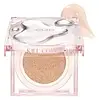
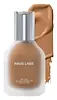
CLIO Kill Cover High Glow Cushion Versus Haus Labs By Lady Gaga Triclone Skin Tech Medium Coverage Foundation with Fermented Arnica


What's inside
What's inside
 Key Ingredients
Benefits
Concerns
Ingredients Side-by-side
Water
Skin ConditioningDiphenylsiloxy Phenyl Trimethicone
Skin Conditioning
CI 77891
Cosmetic ColorantEthylhexyl Methoxycinnamate
UV Absorber


Propylene Glycol Dibenzoate
Skin ConditioningCyclopentasiloxane
Emollient
Ethylhexyl Salicylate
UV Absorber
Cetyl PEG/PPG-10/1 Dimethicone
Emulsifying
Glycerin
Humectant


Polyglyceryl-4 Diisostearate/Polyhydroxystearate/Sebacate
Emulsifying

Methyl Hydrogenated Rosinate
Perfuming

Niacinamide
Smoothing









Tridecyl Trimellitate
EmollientIsododecane
EmollientOctyldodecanol
Emollient
1,2-Hexanediol
Skin Conditioning
Dipentaerythrityl Hexaisostearate
Abrasive
Hydrolyzed Hyaluronic Acid
Humectant
Collagen Extract
Skin Conditioning
Hydrogenated Polyisobutene
EmollientStearalkonium Hectorite
Gel FormingMagnesium Sulfate
Synthetic Fluorphlogopite
Polyglyceryl-4 Isostearate
Emulsifying
Stearic Acid
Cleansing
Alumina
Abrasive
Isopropyl Titanium Triisostearate
Emollient
Aluminum Hydroxide
EmollientAdenosine
Skin Conditioning
Trisodium Ethylenediamine Disuccinate
ChelatingTrimethoxycaprylylsilane
SmoothingPhytosterols
Skin Conditioning
Parfum
Masking
Hexyl Cinnamal
Perfuming
Alpha-Isomethyl Ionone
Perfuming
Hydroxycitronellal
Perfuming
CI 77492
Cosmetic ColorantCI 77491
Cosmetic ColorantCI 77499
Cosmetic ColorantWater, Diphenylsiloxy Phenyl Trimethicone, CI 77891, Ethylhexyl Methoxycinnamate, Propylene Glycol Dibenzoate, Cyclopentasiloxane, Ethylhexyl Salicylate, Cetyl PEG/PPG-10/1 Dimethicone, Glycerin, Polyglyceryl-4 Diisostearate/Polyhydroxystearate/Sebacate, Methyl Hydrogenated Rosinate, Niacinamide, Tridecyl Trimellitate, Isododecane, Octyldodecanol, 1,2-Hexanediol, Dipentaerythrityl Hexaisostearate, Hydrolyzed Hyaluronic Acid, Collagen Extract, Hydrogenated Polyisobutene, Stearalkonium Hectorite, Magnesium Sulfate, Synthetic Fluorphlogopite, Polyglyceryl-4 Isostearate, Stearic Acid, Alumina, Isopropyl Titanium Triisostearate, Aluminum Hydroxide, Adenosine, Trisodium Ethylenediamine Disuccinate, Trimethoxycaprylylsilane, Phytosterols, Parfum, Hexyl Cinnamal, Alpha-Isomethyl Ionone, Hydroxycitronellal, CI 77492, CI 77491, CI 77499
Water
Skin ConditioningDiphenylsiloxy Phenyl Trimethicone
Skin Conditioning
Phenyl Trimethicone
Skin Conditioning
Caprylyl Methicone
Skin Conditioning
Trimethylsiloxysilicate
Emollient
Propylene Glycol Dibenzoate
Skin ConditioningIsododecane
EmollientGlycerin
Humectant
Butylene Glycol
Humectant
Methyl Trimethicone
Skin Conditioning
Lauryl Polyglyceryl-3 Polydimethylsiloxyethyl Dimethicone
Skin Conditioning
C13-15 Alkane
SolventPolyglyceryl-3 Polydimethylsiloxyethyl Dimethicone
Skin Conditioning
Alcohol Denat.
Antimicrobial

Acrylates/Polytrimethylsiloxymethacrylate Copolymer
Skin ConditioningPolymethylsilsesquioxane
Sorbitan Sesquioleate
Emulsifying
Disteardimonium Hectorite
Stabilising1,2-Hexanediol
Skin Conditioning
Palmitoyl Tetrapeptide-10
Skin Conditioning
Arnica Montana Flower Extract
Masking
Hydrolyzed Hyaluronic Acid
Humectant
Squalane
Emollient
Pseudozyma Epicola/Camellia Sinensis Seed Oil Ferment Extract Filtrate
Humectant
Prunus Armeniaca Kernel Oil
Masking
Solanum Lycopersicum Fruit Extract
Antioxidant
Dunaliella Salina Extract
Skin ConditioningHedychium Coronarium Root Extract
MaskingTocopherol
Antioxidant
Althaea Rosea Flower Extract
Skin ConditioningTaraxacum Officinale Extract
Skin ConditioningPerilla Ocymoides Leaf Extract
TonicPanax Notoginseng Extract
Skin ConditioningGlycyrrhiza Glabra Root Extract
Bleaching
Chamomilla Recutita Extract
Skin Conditioning
Centella Asiatica Extract
Cleansing
Pseudozyma Epicola/Sunflower Seed Oil Ferment Extract Filtrate
Emulsion Stabilising
Caprylyl Glycol
Emollient
Ethylhexylglycerin
Skin ConditioningMagnesium Sulfate
Polypropylsilsesquioxane
Acrylates/Dimethicone Copolymer
Skin Conditioning
Triethoxycaprylylsilane
Dimethicone/Vinyl Dimethicone Crosspolymer
Skin Conditioning
Aluminum Hydroxide
EmollientCI 77891
Cosmetic ColorantCI 77491
Cosmetic ColorantWater, Diphenylsiloxy Phenyl Trimethicone, Phenyl Trimethicone, Caprylyl Methicone, Trimethylsiloxysilicate, Propylene Glycol Dibenzoate, Isododecane, Glycerin, Butylene Glycol, Methyl Trimethicone, Lauryl Polyglyceryl-3 Polydimethylsiloxyethyl Dimethicone, C13-15 Alkane, Polyglyceryl-3 Polydimethylsiloxyethyl Dimethicone, Alcohol Denat., Acrylates/Polytrimethylsiloxymethacrylate Copolymer, Polymethylsilsesquioxane, Sorbitan Sesquioleate, Disteardimonium Hectorite, 1,2-Hexanediol, Palmitoyl Tetrapeptide-10, Arnica Montana Flower Extract, Hydrolyzed Hyaluronic Acid, Squalane, Pseudozyma Epicola/Camellia Sinensis Seed Oil Ferment Extract Filtrate, Prunus Armeniaca Kernel Oil, Solanum Lycopersicum Fruit Extract, Dunaliella Salina Extract, Hedychium Coronarium Root Extract, Tocopherol, Althaea Rosea Flower Extract, Taraxacum Officinale Extract, Perilla Ocymoides Leaf Extract, Panax Notoginseng Extract, Glycyrrhiza Glabra Root Extract, Chamomilla Recutita Extract, Centella Asiatica Extract, Pseudozyma Epicola/Sunflower Seed Oil Ferment Extract Filtrate, Caprylyl Glycol, Ethylhexylglycerin, Magnesium Sulfate, Polypropylsilsesquioxane, Acrylates/Dimethicone Copolymer, Triethoxycaprylylsilane, Dimethicone/Vinyl Dimethicone Crosspolymer, Aluminum Hydroxide, CI 77891, CI 77491
Reviews
Ingredients Explained
These ingredients are found in both products.
Ingredients higher up in an ingredient list are typically present in a larger amount.
1,2-Hexanediol is a synthetic liquid and another multi-functional powerhouse.
It is a:
- Humectant, drawing moisture into the skin
- Emollient, helping to soften skin
- Solvent, dispersing and stabilizing formulas
- Preservative booster, enhancing the antimicrobial activity of other preservatives
Aluminum Hydroxide is a form of aluminum. It can be naturally found in nature as the mineral gibbsite. In cosmetics, Aluminum Hydroxide is used as a colorant, pH adjuster, and absorbent.
As a colorant, Aluminum Hydroxide may add opacity, or reduce the transparency. Aluminum hydroxide is contains both basic and acidic properties.
According to manufacturers, this ingredient is an emollient and humectant. This means it helps hydrate the skin.
In medicine, this ingredient is used to help relieve heartburn and help heal ulcers.
There is currently no credible scientific evidence linking aluminum hydroxide in cosmetics to increased cancer risk.
Major health organizations allow the use of aluminum hydroxide in personal care products and have not flagged it as a carcinogenic risk at typical usage levels.
Learn more about Aluminum HydroxideCi 77491 is also hydrated iron III oxide. It's sole purpose is to give a red/pink hue to products.
Iron III oxides are classified as inorganic chemicals for coloring.
Synthetically created Ci 77491 is considered safer than those naturally found. This is because the synthetically created version may contain less impurities. Iron oxides are generally non-toxic and non-allergenic.
Learn more about CI 77491Ci 77891 is a white pigment from Titanium dioxide. It is naturally found in minerals such as rutile and ilmenite.
It's main function is to add a white color to cosmetics. It can also be mixed with other colors to create different shades.
Ci 77891 is commonly found in sunscreens due to its ability to block UV rays.
Learn more about CI 77891Diphenylsiloxy Phenyl Trimethicone is a silicone. It has a high refractive index and adds shine to formulations.
According to the safety review by the Cosmetic Ingredient Review (CIR) Expert Panel, it is safe for use in cosmetics under the current practices and concentrations.
Glycerin (or glycerol) is a compound naturally found in your skin. It's a powerhouse humectant that pulls water into the stratum corneum.
Topically, glycerin does several things at once:
Your skin makes glycerin on its own (mostly from sebaceous oil breakdown) and shuttles it to your outermost layer of skin, or your epidermis, via aquaporin-3.
Aquaporin-3 is a transporter that is essential for normal skin hydration, elasticity, and repair. Interestingly, mice lacking in AQP3 have dry and less elastic skin that can be fully corrected with glycerin.
This ingredient is non-irritating, plays well with almost every ingredient, and works across all skin types. Typical use is anywhere between 3-10% but can go up to 79% in some leave-on products.
Just know very high concentrations (>40%) can feel tacky in low humidity.
Glycerin is the name for this ingredient in American English. British English uses Glycerol/Glycerine.
Learn more about GlycerinHydrolyzed Hyaluronic Acid is hyaluronic acid (HA) that is broken down into lower molecular weight fragments.
It's a humectant that pulls and holds water in the skin to help with hydration, plumpness, and reduce transepidermal water loss.
Because hydrolyzed hyaluronic acid is smaller in size, it can slip past your outermost layer of skin more easily than full-sized HA.
Most formulations will combine all sizes to get the best of both worlds.
Typical usage levels range from 0.01-1%. Any percentage higher than 2% might become goopy and tacky.
Learn more about Hydrolyzed Hyaluronic AcidIsododecane is a fragrance, emollient, and solvent.
As an emollient, it helps your skin stay soft and hydrated. Emollients help trap moisture into your skin.
Isododecane's role as a solvent makes it a great texture enhancer. It spreads smoothly on skin and does not leave a sticky feeling behind. Isododecane also helps prevent color transfer in makeup products.
Isododecane is not absorbed into skin.
The chemical name for this ingredient is 2,2,4,6,6-PENTAMETHYLHEPTANE.
Learn more about IsododecaneMagnesium Sulfate is a salt. More specifically, it is an epsom salt, or the bath salt used to help relieve muscle aches.
Despite having ‘sulfate’ in the name, it isn’t a surfactant or cleansing agent like sodium lauryl sulfate. Unlike those sulfates, magnesium sulfate doesn’t have the same cleansing or foaming properties (it's simply a type of salt).
In cosmetics, Magnesium Sulfate is used to thicken a product or help dilute other solids. It is a non-reactive and non-irritating ingredient.
One study shows magnesium deficiency may lead to inflammation of the skin. Applying magnesium topically may help reduce inflammation.
You can find this ingredient in sea water or mineral deposits.
Learn more about Magnesium SulfateWe don't have a description for Propylene Glycol Dibenzoate yet.
Water. It's the most common cosmetic ingredient of all. You'll usually see it at the top of ingredient lists, meaning that it makes up the largest part of the product.
So why is it so popular? Water most often acts as a solvent - this means that it helps dissolve other ingredients into the formulation.
You'll also recognize water as that liquid we all need to stay alive. If you see this, drink a glass of water. Remember to stay hydrated!
Learn more about Water

