
What's inside
What's inside
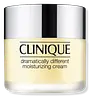 Key Ingredients
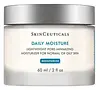
Benefits
Concerns
Ingredients Side-by-side
Water
Skin ConditioningGlycerin
Humectant


Dimethicone
Emollient
Petrolatum
Emollient

Tridecyl Stearate
Emollient
Tridecyl Trimellitate
EmollientPolyglyceryl-10 Pentastearate
Skin Conditioning
Behenyl Alcohol
Emollient
Dipentaerythrityl Hexacaprylate/Hexacaprate
EmulsifyingCucumis Sativus Fruit Extract
Emollient

Hordeum Vulgare Extract
EmollientSodium Stearoyl Lactylate
EmulsifyingCaprylyl Glycol
Emollient
Propylene Glycol Dicaprate
EmollientHelianthus Annuus Seedcake
Abrasive
PEG-100 Stearate
Surfactant
Sodium Hyaluronate
Humectant

Cetyl Alcohol
Emollient
Butylene Glycol
Humectant
Tromethamine
BufferingCarbomer
Emulsion StabilisingPhenoxyethanol
Preservative
CI 19140
Cosmetic ColorantCI 15985
Cosmetic ColorantCI 17200
Cosmetic ColorantWater, Glycerin, Dimethicone, Petrolatum, Tridecyl Stearate, Tridecyl Trimellitate, Polyglyceryl-10 Pentastearate, Behenyl Alcohol, Dipentaerythrityl Hexacaprylate/Hexacaprate, Cucumis Sativus Fruit Extract, Hordeum Vulgare Extract, Sodium Stearoyl Lactylate, Caprylyl Glycol, Propylene Glycol Dicaprate, Helianthus Annuus Seedcake, PEG-100 Stearate, Sodium Hyaluronate, Cetyl Alcohol, Butylene Glycol, Tromethamine, Carbomer, Phenoxyethanol, CI 19140, CI 15985, CI 17200
Water
Skin ConditioningGlycerin
Humectant
Cetyl Palmitate
Emollient
Stearic Acid
Cleansing
Butylene Glycol
Humectant
Palmitic Acid
Emollient
Tocopherol
Antioxidant



Dimethicone
Emollient
Polymethylsilsesquioxane
Glyceryl Stearate
Emollient
Sorbitol
Humectant
CI 77163
Cosmetic Colorant

Phenoxyethanol
Preservative
PEG-100 Stearate
Surfactant
Sodium Hyaluronate
Humectant
Hamamelis Virginiana Water
Astringent

PEG-75 Stearate
Surfactant
Cetyl Alcohol
Emollient
Carbomer
Emulsion StabilisingEthylhexyl Hydroxystearate
Emollient
Allantoin
Skin Conditioning
Panthenol
Skin Conditioning
Ceteth-20
CleansingTriethanolamine
BufferingCaprylyl Glycol
Emollient
Xanthan Gum
EmulsifyingPropylene Glycol
Humectant
Steareth-20
CleansingDisodium EDTA
Myristic Acid
Cleansing
Betaine
Humectant
Chlorella Vulgaris Extract
Skin ConditioningLaminaria Saccharina Extract
Skin ProtectingGlucose
Humectant
Chamomilla Recutita Flower Extract
Masking
Chamomilla Recutita Extract
Skin Conditioning
Zingiber Officinale Root Extract
Masking
Sanguisorba Officinalis Root Extract
CleansingCinnamomum Cassia Bark Extract
Masking
Thymus Vulgaris Flower/Leaf Extract
MaskingRetinyl Palmitate
Skin Conditioning
Helianthus Annuus Seed Oil
Emollient
Sodium Benzoate
Masking
Zinc Sulfate
Antimicrobial
Laminaria Ochroleuca Extract
Skin Conditioning
Glycyrrhiza Glabra Root Extract
Bleaching
Urtica Dioica Extract
AstringentEquisetum Arvense Extract
AstringentBetula Alba Leaf Extract
AstringentCitric Acid
Buffering
Potassium Sorbate
Preservative
Cinnamal
Perfuming


Pyridoxine Hcl
Skin ConditioningWater, Glycerin, Cetyl Palmitate, Stearic Acid, Butylene Glycol, Palmitic Acid, Tocopherol, Dimethicone, Polymethylsilsesquioxane, Glyceryl Stearate, Sorbitol, CI 77163, Phenoxyethanol, PEG-100 Stearate, Sodium Hyaluronate, Hamamelis Virginiana Water, PEG-75 Stearate, Cetyl Alcohol, Carbomer, Ethylhexyl Hydroxystearate, Allantoin, Panthenol, Ceteth-20, Triethanolamine, Caprylyl Glycol, Xanthan Gum, Propylene Glycol, Steareth-20, Disodium EDTA, Myristic Acid, Betaine, Chlorella Vulgaris Extract, Laminaria Saccharina Extract, Glucose, Chamomilla Recutita Flower Extract, Chamomilla Recutita Extract, Zingiber Officinale Root Extract, Sanguisorba Officinalis Root Extract, Cinnamomum Cassia Bark Extract, Thymus Vulgaris Flower/Leaf Extract, Retinyl Palmitate, Helianthus Annuus Seed Oil, Sodium Benzoate, Zinc Sulfate, Laminaria Ochroleuca Extract, Glycyrrhiza Glabra Root Extract, Urtica Dioica Extract, Equisetum Arvense Extract, Betula Alba Leaf Extract, Citric Acid, Potassium Sorbate, Cinnamal, Pyridoxine Hcl
Ingredients Explained
These ingredients are found in both products.
Ingredients higher up in an ingredient list are typically present in a larger amount.
Butylene Glycol (or BG) is used within cosmetic products for a few different reasons:
Overall, Butylene Glycol is a safe and well-rounded ingredient that works well with other ingredients.
Though this ingredient works well with most skin types, some people with sensitive skin may experience a reaction such as allergic rashes, closed comedones, or itchiness.
Learn more about Butylene GlycolCaprylyl Glycol is a humectant, skin conditioner, emollient, and preservative booster derived from either caprylic acid or synthetically created.
Typical use levels vary from 0.3-1% as a preservative booster and go up to 2% to condition skin.
Because it is not a free-fatty acid, this ingredient is fungal acne safe (there's nothing for Malassezia to feed on).
Learn more about Caprylyl GlycolCarbomer is a high-molecular weight polymer of acrylic acid. It is used to form gels and thicken formulas.
Due to its large molecular size, carbomer has minimal skin penetration and is considered an inert ingredient.
A high amount of carbomer can cause pilling or balling up of products. Don't worry, most products contain 1% or less of carbomer.
Learn more about CarbomerCetyl Alcohol is a fatty alcohol. Fatty Alcohols are most often used as an emollient or to thicken a product.
Its main roles are:
Though it has "alcohol" in the name, it is not related to denatured alcohol or ethyl alcohol.
The FDA allows products labeled "alcohol-free" to have fatty alcohols.
This ingredient may not be fungal acne safe. It is a primary fatty alcohol with a chain length above 12 carbons. A study from 2019 show Malassezia can feed on fatty alcohols in this range, so it may trigger fungal acne in those prone to it.
Learn more about Cetyl AlcoholDimethicone is a type of synthetic silicone created from natural materials such as quartz. It is also known as polydimethylsiloxane.
What it does:
Dimethicone comes in different viscosities:
Depending on the viscosity, dimethicone has different properties.
Ingredients lists don't always show which type is used, so we recommend reaching out to the brand if you have questions about the viscosity.
This ingredient is unlikely to cause irritation because it does not get absorbed into skin. However, people with silicone allergies should be careful about using this ingredient.
Note: Dimethicone may contribute to pilling. This is because it is not oil or water soluble, so pilling may occur when layered with products. When mixed with heavy oils in a formula, the outcome is also quite greasy.
Learn more about DimethiconeGlycerin (or glycerol) is a compound naturally found in your skin. It's a powerhouse humectant that pulls water into the stratum corneum.
Topically, glycerin does several things at once:
Your skin makes glycerin on its own (mostly from sebaceous oil breakdown) and shuttles it to your outermost layer of skin, or your epidermis, via aquaporin-3.
Aquaporin-3 is a transporter that is essential for normal skin hydration, elasticity, and repair. Interestingly, mice lacking in AQP3 have dry and less elastic skin that can be fully corrected with glycerin.
This ingredient is non-irritating, plays well with almost every ingredient, and works across all skin types. Typical use is anywhere between 3-10% but can go up to 79% in some leave-on products.
Just know very high concentrations (>40%) can feel tacky in low humidity.
Glycerin is the name for this ingredient in American English. British English uses Glycerol/Glycerine.
Learn more about GlycerinPeg-100 Stearate is an emollient and emulsifier. As an emollient, it helps keep skin soft by trapping moisture in. On the other hand, emulsifiers help prevent oil and water from separating in a product.
PEGS are a hydrophilic polyether compound . There are 100 ethylene oxide monomers in Peg-100 Stearate. Peg-100 Stearate is polyethylene glycol ester of stearic acid.
Phenoxyethanol is a preservative that has germicide, antimicrobial, and aromatic properties. Studies show that phenoxyethanol can prevent microbial growth. By itself, it has a scent that is similar to that of a rose.
It's often used in formulations along with Caprylyl Glycol to preserve the shelf life of products.
Sodium Hyaluronate is the salt form of hyaluronic acid. It is a long sugar chain that is naturally found in your skin, joints, and connective tissue that maintains hydration and elasticity.
In skincare, it works as a humectant. It pulls water from the environment and deeper layers of skin and binds it to the surface.
Interestingly, the size of the molecule affects its behavior:
Some clinical evidence links low molecular weight versions to improved wrinkle depth, elasticity, anti-inflammatory effects, and barrier repair.
Many serums use a blend of both weights so you can get surface hydration plus longer-lasting and deeper effects.
You'll typically see concentrations between 0.1-2% for this ingredient.
Learn more about Sodium HyaluronateWater. It's the most common cosmetic ingredient of all. You'll usually see it at the top of ingredient lists, meaning that it makes up the largest part of the product.
So why is it so popular? Water most often acts as a solvent - this means that it helps dissolve other ingredients into the formulation.
You'll also recognize water as that liquid we all need to stay alive. If you see this, drink a glass of water. Remember to stay hydrated!
Learn more about Water
