Clarins White Plus Pure Translucency Brightening Emulsion Versus Clarins Bright Plus Dark Spot Targeting Emulsion
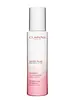
This brightening emulsion is formulated around Squalane and Ascorbyl Glucoside to brighten dull-looking skin and fade the look of dark spots.
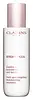
This brightening emulsion is formulated around Ascorbyl Glucoside to fade the look of dark spots and brighten dull-looking skin.

What's inside
What's inside
 Key Ingredients
Benefits
Concerns
Ingredients Side-by-side
Water
Skin ConditioningGlycerin
Humectant


Butylene Glycol
Humectant
Squalane
Emollient
Ascorbyl Glucoside
Antioxidant


Cetearyl Isononanoate
Emollient
Pentylene Glycol
Skin Conditioning
Triethylhexanoin
MaskingBoron Nitride
Absorbent
Prunus Armeniaca Kernel Oil
Masking




Tromethamine
BufferingC14-22 Alcohols
Emulsion Stabilising
Polyacrylamide
Phenoxyethanol
Preservative
Cetyl Alcohol
Emollient
Glyceryl Stearate
Emollient
PEG-100 Stearate
Surfactant
Sodium Citrate
BufferingXanthan Gum
EmulsifyingC12-20 Alkyl Glucoside
EmulsifyingC13-14 Isoparaffin
Emollient
Ethylhexylglycerin
Skin ConditioningPotassium Cetyl Phosphate
EmulsifyingParfum
Masking


Biotin
AntiseborrhoeicLaureth-7
EmulsifyingSpergularia Rubra Extract
Skin ConditioningCitric Acid
Buffering
Malpighia Emarginata Fruit Extract
Skin ConditioningXylitol
Humectant
Alchemilla Vulgaris Extract
AstringentJania Rubens Extract
Skin Conditioning
Pancratium Maritimum Extract
BleachingCamellia Sinensis Leaf Extract
Antimicrobial


Water, Glycerin, Butylene Glycol, Squalane, Ascorbyl Glucoside, Cetearyl Isononanoate, Pentylene Glycol, Triethylhexanoin, Boron Nitride, Prunus Armeniaca Kernel Oil, Tromethamine, C14-22 Alcohols, Polyacrylamide, Phenoxyethanol, Cetyl Alcohol, Glyceryl Stearate, PEG-100 Stearate, Sodium Citrate, Xanthan Gum, C12-20 Alkyl Glucoside, C13-14 Isoparaffin, Ethylhexylglycerin, Potassium Cetyl Phosphate, Parfum, Biotin, Laureth-7, Spergularia Rubra Extract, Citric Acid, Malpighia Emarginata Fruit Extract, Xylitol, Alchemilla Vulgaris Extract, Jania Rubens Extract, Pancratium Maritimum Extract, Camellia Sinensis Leaf Extract
Water
Skin ConditioningGlycerin
Humectant
Caprylic/Capric Triglyceride
Masking
Pentylene Glycol
Skin Conditioning
Butylene Glycol
Humectant
Ascorbyl Glucoside
Antioxidant
Prunus Amygdalus Dulcis Oil
Skin Conditioning
Sorbitan Stearate
Emulsifying
Boron Nitride
Absorbent
Prunus Armeniaca Kernel Oil
Masking
Acrylates/C10-30 Alkyl Acrylate Crosspolymer
Emulsion StabilisingSodium Hydroxide
BufferingPotassium Cetyl Phosphate
EmulsifyingSodium Citrate
BufferingChlorphenesin
Antimicrobial
Xanthan Gum
EmulsifyingEthylhexylglycerin
Skin ConditioningSucrose Cocoate
Emulsifying
Biotin
AntiseborrhoeicParfum
Masking
Sambucus Nigra Flower Extract
RefreshingCitric Acid
Buffering
Malpighia Emarginata Fruit Extract
Skin ConditioningAlchemilla Vulgaris Extract
AstringentXylitol
Humectant
Malpighia Emarginata Seed Extract
Skin ConditioningSodium Benzoate
Masking
Pancratium Maritimum Extract
BleachingPotassium Sorbate
Preservative
Rhodomyrtus Tomentosa Fruit Extract
HumectantWater, Glycerin, Caprylic/Capric Triglyceride, Pentylene Glycol, Butylene Glycol, Ascorbyl Glucoside, Prunus Amygdalus Dulcis Oil, Sorbitan Stearate, Boron Nitride, Prunus Armeniaca Kernel Oil, Acrylates/C10-30 Alkyl Acrylate Crosspolymer, Sodium Hydroxide, Potassium Cetyl Phosphate, Sodium Citrate, Chlorphenesin, Xanthan Gum, Ethylhexylglycerin, Sucrose Cocoate, Biotin, Parfum, Sambucus Nigra Flower Extract, Citric Acid, Malpighia Emarginata Fruit Extract, Alchemilla Vulgaris Extract, Xylitol, Malpighia Emarginata Seed Extract, Sodium Benzoate, Pancratium Maritimum Extract, Potassium Sorbate, Rhodomyrtus Tomentosa Fruit Extract
Ingredients Explained
These ingredients are found in both products.
Ingredients higher up in an ingredient list are typically present in a larger amount.
This ingredient is also known as lady's mantle.
Ascorbyl Glucoside (AA-2G) is one of the most stable vitamin C derivatives out there.
It's made by attaching a glucose molecule to ascorbic acid; this glucose "cap" shields the vitamin C from air, light, heat, and metal ions that normally cause pure ascorbic acid to oxidize.
Once on your skin, the enzyme alpha-glucosidase snips off the glucose and gradually releases active ascorbic acid right where it's needed. Basically, it behaves like a slow-release pro-vitamin C with less of a stinging that high-strength ascorbic acid can cause.
The research supports the classic vitamin C benefits as well. In lab and human studies, AA-2G slowed down the skin's production of melanin (the pigment behind dark spots) and helped shield skin cells against sun damage better than ascorbyl phosphate.
These studies also showed AA-2G released vitamin C over a longer period.
A frequently cited manufacturer trial found that a 2% AA-2G face cream significantly improved wrinkle depth and skin roughness after 45 days.
And in 2009, a clinical trial showed it meaningfully lightened dark patches on the gums compared to a placebo.
There's also collagen-synthesis support (since vitamin C is a required cofactor for that) and an antioxidant effect too.
Typical usage is usually between 0.5-5% and most studies/products land around 2%.
AA-2G performs best when formulated at a mildly acidic pH (~5-7) which is much gentler than the pH that pure vitamin C demands (~2.5-3.5).
Just one thing worth knowing: the in-skin conversation rate is only about 55-60% by weight. So a 5% AA-2G product delivers roughly 2.75-3% of actual active vitamin C. On top of that, skin absorption is relatively low because the ingredient is water-soluble.
Learn more about Ascorbyl GlucosideBiotin is a B vitamin that is naturally produced by our bodies. It is also called Vitamin H.
Our bodies use biotin in the metabolism process. It also helps our bodies use enzymes and move nutrients around. A biotin deficiency can lead to brittle hair and nails.
More research is needed on applying biotin topically. However, taking biotin orally has been shown to help nourish the skin, hair, and nails. They play a role in forming skin-hydrating fatty acids.
Biotin is water-soluble. It can be found in foods such as fish, eggs, dairy, nuts, and meat. Vitamin H stands for "haar" and "haut". These are the German words for hair and skin.
Learn more about BiotinBoron Nitride is compound consisting of boron and nitrogen. It is used to absorb oil and modify adherence/ slip in products.
This means it is often used in makeup products to help them last longer.
Butylene Glycol (or BG) is used within cosmetic products for a few different reasons:
Overall, Butylene Glycol is a safe and well-rounded ingredient that works well with other ingredients.
Though this ingredient works well with most skin types, some people with sensitive skin may experience a reaction such as allergic rashes, closed comedones, or itchiness.
Learn more about Butylene GlycolCitric Acid is an alpha hydroxy acid (AHA) naturally found in citrus fruits like oranges, lemons, and limes.
Like other AHAs, citric acid can exfoliate skin by breaking down the bonds that hold dead skin cells together. This helps reveal smoother and brighter skin underneath.
However, this exfoliating effect only happens at high concentrations (20%) which can be hard to find in cosmetic products.
Due to this, citric acid is usually included in small amounts as a pH adjuster. This helps keep products slightly more acidic and compatible with skin's natural pH.
In skincare formulas, citric acid can:
While it can provide some skin benefits, research shows lactic acid and glycolic acid are generally more effective and less irritating exfoliants.
Most citric acid used in skincare today is made by fermenting sugars (usually from molasses). This synthetic version is identical to the natural citrus form but easier to stabilize and use in formulations.
Rosacea skin has a lower threshold for acids generally, with 62.5% of rosacea subjects in one study reacting to lactic acid in a sting test. This is why we mark citric acid as a potential rosacea trigger.
However, this ingredient shows up as a pH adjuster or chelator at roughly 0.1-1% in many products. These low levels are unlikely to be an issue for rosacea skin and becomes a potential trigger at exfoliating concentrations (20%). Because everybody's skin is unique, we recommend a patch test if you are unsure.
Learn more about Citric AcidEthylhexylglycerin is created from glycerin. It is a multitasker ingredient that:
The CIR Expert Panel found minimal skin absorption or sensitization of any kind in a safety assessment. Though this ingredient is considered well-tolerated, a small number of cases of allergic dermatitis have been published since 2002. Just be sure to patch test if you are unsure.
Industry-reported use ranges from 8% in rinse-off products and 2% in leave-on formulations.
Learn more about EthylhexylglycerinGlycerin (or glycerol) is a compound naturally found in your skin. It's a powerhouse humectant that pulls water into the stratum corneum.
Topically, glycerin does several things at once:
Your skin makes glycerin on its own (mostly from sebaceous oil breakdown) and shuttles it to your outermost layer of skin, or your epidermis, via aquaporin-3.
Aquaporin-3 is a transporter that is essential for normal skin hydration, elasticity, and repair. Interestingly, mice lacking in AQP3 have dry and less elastic skin that can be fully corrected with glycerin.
This ingredient is non-irritating, plays well with almost every ingredient, and works across all skin types. Typical use is anywhere between 3-10% but can go up to 79% in some leave-on products.
Just know very high concentrations (>40%) can feel tacky in low humidity.
Glycerin is the name for this ingredient in American English. British English uses Glycerol/Glycerine.
Learn more about GlycerinThis ingredient is also known as acerola or barbados cherry. It is rich in antioxidants and polysaccharides, giving it skin protecting and hydrating properties.
We don't have a description for Pancratium Maritimum Extract yet.
Parfum is a catch-all term for an ingredient or more that is used to give a scent to products.
Also called "fragrance", this ingredient can be a blend of hundreds of chemicals or plant oils. This means every product with "fragrance" or "parfum" in the ingredients list is a different mixture.
For instance, Habanolide is a proprietary trade name for a specific aroma chemical. When used as a fragrance ingredient in cosmetics, most aroma chemicals fall under the broad labeling category of “FRAGRANCE” or “PARFUM” according to EU and US regulations.
The term 'parfum' or 'fragrance' is not regulated in many countries. In many cases, it is up to the brand to define this term.
For instance, many brands choose to label themselves as "fragrance-free" because they are not using synthetic fragrances. However, their products may still contain ingredients such as essential oils that are considered a fragrance by INCI standards.
One example is Calendula flower extract. Calendula is an essential oil that still imparts a scent or 'fragrance'.
Depending on the blend, the ingredients in the mixture can cause allergies and sensitivities on the skin. Some ingredients that are known EU allergens include linalool and citronellol.
Parfum can also be used to mask or cover an unpleasant scent.
The bottom line is: not all fragrances/parfum/ingredients are created equally. If you are worried about fragrances, we recommend taking a closer look at an ingredient. And of course, we always recommend speaking with a professional.
Learn more about ParfumPentylene Glycol (1,2-pentanediol) is a multitasking little diol with three main roles in a formula:
Research on alkanediols (the family pentylene glycol belongs to) show they work by disrupting microbial cell membranes. This disruption helps the primary preservative system in a product work more effectively at lower doses.
On the safety side, the Cosmetic Ingredient Review Expert Panel has concluded this ingredient to be safe as used in current cosmetic practices + concentrations.
Typical use levels in a formula run about 1-5%.
Learn more about Pentylene GlycolPotassium Cetyl Phosphate is the potassium salt of a mixture. This mixture consists of the esters from phosphoricacid and cetyl alcohol.
Potassium Cetyl Phosphate is an emulsifier and cleansing agent. Emulsifiers help stabilize a product. It does this by preventing certain ingredients from separating.
As a cleansing agent, Potassium Cetyl Phosphate helps gather oils, dirts, and pollutants from your skin. This makes it easier to rinse them away with water.
Learn more about Potassium Cetyl PhosphateThis ingredient is also known as Apricot kernel oil, and it comes form the seed kernels of apricot (a member of the Rosaceae family like almond, peach, cherry, and plum).
It's mostly made up of triglycerides: oleic acid (43.9-78.5%), linoleic acid (9.7-37%), and palmitic acid (4.9-7.3%). These numbers vary depending on the variety of Prunus and the ripeness of the fruit; oleic tends to go up at late harvest while linoleic goes down.
Vitamin E is also prevalent in this ingredient and the most dominant form is gamma-tocopherol.
These compounds give the ingredient emollient and skin conditioning properties that keep the skin soft and hydrated.
There's no regulatory maximum cap for this ingredient so you'll see it across a huge concentration range (100% as a single ingredient facial oil).
On allergies: refined cosmetic-grade oils carry almost no protein. The CIR notes that people allergic to a food generally do not react to the refined oil because the allergenic protein does not partition into it (though cold-pressed grades retain more).
However, it's worth patch testing if you have a stone fruit or tree nut allergy because manufacturer processes for removing the protein can vary.
Malassezia lacks the cytosolic fatty acid synthase gene so the yeast cannot make palmitate on its own and instead uses lipases and phospholipases to release fatty acids from host lipids. Since apricot kernel oil is entirely C16-18 (right in the usable range of C11-24), this ingredient may not be fungal acne safe.
Old rabbit-ear testing did assign this ingredient a comedogenic rating of 1-2. The original author has stated that testing on rabbit ears is not an ideal model for human comedogenicity.
Human testing has proved that any finished product with a comedogenic ingredient won't automatically make you break out; it really comes down to concentration, formula, and your skin.
Just know high-oleic oils tend to feel heavier on oily skin so it's worth patch testing.
Learn more about Prunus Armeniaca Kernel OilSodium Citrate is the sodium salts of citric acid. In skincare, it is used to alter pH levels and acts as a preservative.
Its main functions are to maintain the pH of a product and neutralize metal ions.
The acidity of our skin is maintained by our glands and skin biome; normal pH level of skin is slightly acidic (~4.75-5.5).
Being slightly acidic allows our skin to create an "acid mantle". This acid mantle is a thin barrier that protects our skin from bacteria and contaminants.
Learn more about Sodium CitrateWater. It's the most common cosmetic ingredient of all. You'll usually see it at the top of ingredient lists, meaning that it makes up the largest part of the product.
So why is it so popular? Water most often acts as a solvent - this means that it helps dissolve other ingredients into the formulation.
You'll also recognize water as that liquid we all need to stay alive. If you see this, drink a glass of water. Remember to stay hydrated!
Learn more about WaterXanthan gum is used as a stabilizer and thickener within cosmetic products. It helps give products a sticky, thick feeling - preventing them from being too runny.
On the technical side of things, xanthan gum is a polysaccharide - a combination consisting of multiple sugar molecules bonded together.
Xanthan gum is a pretty common and great ingredient. It is a natural, non-toxic, non-irritating ingredient that is also commonly used in food products.
Learn more about Xanthan GumXylitol is a humectant and prebiotic. It can help with dry skin.
In studies, xylitol has been shown to improve dry skin. It decreased transepidermal water loss, or when water passes through the skin and evaporates. Xylitol also showed to help improve the biomechanical properties of the skin barrier.
The prebiotic property of xylitol may also help reinforce our skin's natural microbiome. Having a healthy microbiome prevents infection by bad bacteria and helps with hydration.
As a humectant, Xylitol helps draw moisture from both the air and from deeper skin layers. This helps keep skin hydrated.
Xylitol is a sugar alcohol and commonly used as a sugar substitute. It is naturally occurring in plants such as strawberries and pumpkin.
Learn more about Xylitol

