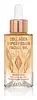
This hydrating oil is formulated around Persea Gratissima Oil and Cocoyl Hydrolyzed Collagen to hydrate skin and soften the look of wrinkles.


What's inside
What's inside
 Key Ingredients
Benefits
Concerns
Ingredients Side-by-side
Persea Gratissima Oil
Skin Conditioning





Olea Europaea Fruit Oil
Masking
Orbignya Oleifera Seed Oil
Emollient
Caprylic/Capric Triglyceride
Masking

Silica Dimethyl Silylate
EmollientHelianthus Annuus Seed Oil
Emollient
Cocoyl Hydrolyzed Collagen
Cleansing
Oenothera Biennis Oil
Emollient

Rubus Idaeus Seed Oil
Emollient
Vaccinium Myrtillus Seed Oil
Skin Conditioning
Theobroma Cacao Extract
Skin ConditioningLavandula Angustifolia Oil
Masking


Lupinus Albus Seed Extract
Skin ConditioningTocopherol
Antioxidant



Citrus Aurantium Amara Flower Oil
Masking
Eucalyptus Globulus Leaf Oil
Perfuming
Magnolia Officinalis Bark Extract
Antimicrobial
Rosa Damascena Flower Extract
Masking
Rosa Damascena Flower Oil
Masking
Linalool
Perfuming
Limonene
Perfuming
Geraniol
Perfuming
Citronellol
Perfuming
Farnesol
Perfuming
Persea Gratissima Oil, Olea Europaea Fruit Oil, Orbignya Oleifera Seed Oil, Caprylic/Capric Triglyceride, Silica Dimethyl Silylate, Helianthus Annuus Seed Oil, Cocoyl Hydrolyzed Collagen, Oenothera Biennis Oil, Rubus Idaeus Seed Oil, Vaccinium Myrtillus Seed Oil, Theobroma Cacao Extract, Lavandula Angustifolia Oil, Lupinus Albus Seed Extract, Tocopherol, Citrus Aurantium Amara Flower Oil, Eucalyptus Globulus Leaf Oil, Magnolia Officinalis Bark Extract, Rosa Damascena Flower Extract, Rosa Damascena Flower Oil, Linalool, Limonene, Geraniol, Citronellol, Farnesol
Squalane
Emollient
Limnanthes Alba Seed Oil
Skin Conditioning
Caprylic/Capric Triglyceride
Masking
Passiflora Incarnata Seed Oil
Skin Protecting
Persea Gratissima Oil
Skin Conditioning
Dicaprylyl Ether
Emollient
Caprylic/Capric/Succinic Triglyceride
EmollientSolanum Lycopersicum Seed Oil
Emollient
Isopropyl Palmitate
Emollient
Hexyldecanol
Emollient
Passiflora Edulis Seed Oil
Emollient
Polyglyceryl-3 Polyricinoleate
Emulsifying
Vaccinium Macrocarpon Seed Oil
Skin Conditioning
Glycoproteins
Skin Conditioning
Panax Ginseng Root Extract
Emollient
Equisetum Arvense Extract
AstringentSaccharomyces Cerevisiae Extract
Skin Conditioning
Lactobacillus Ferment
Skin Conditioning
Caviar Extract
Skin ConditioningRetinol
Skin Conditioning




Schisandra Chinensis Fruit Extract
Skin Conditioning
Acmella Oleracea Extract
Skin ProtectingApium Graveolens Seed Extract
Antioxidant
Linum Usitatissimum Seed Extract
Perfuming
Rubus Idaeus Leaf Extract
Skin ConditioningTocopherol
Antioxidant
Tocopheryl Acetate
Antioxidant
Bisabolol
Antioxidant
Lycopene
Antioxidant
Brassica Campestris Sterols
EmollientMangifera Indica Seed Oil
Emollient
Theobroma Grandiflorum Seed Butter
Skin Conditioning
Helianthus Annuus Seed Oil
Emollient
Cetylhydroxyproline Palmitamide
Skin ConditioningSorbitan Trioleate
Emulsifying
Stearic Acid
Cleansing
Water
Skin ConditioningGlycerin
Humectant
Ethylhexylglycerin
Skin ConditioningBHT
Antioxidant
Parfum
Masking
Linalool
Perfuming
Benzyl Salicylate
Perfuming
Citronellol
Perfuming
Geraniol
Perfuming
Alpha-Isomethyl Ionone
Perfuming
Limonene
Perfuming
Citral
Perfuming
Phenoxyethanol
Preservative
Sodium Dehydroacetate
Preservative
Potassium Sorbate
Preservative
CI 60725
Cosmetic ColorantSqualane, Limnanthes Alba Seed Oil, Caprylic/Capric Triglyceride, Passiflora Incarnata Seed Oil, Persea Gratissima Oil, Dicaprylyl Ether, Caprylic/Capric/Succinic Triglyceride, Solanum Lycopersicum Seed Oil, Isopropyl Palmitate, Hexyldecanol, Passiflora Edulis Seed Oil, Polyglyceryl-3 Polyricinoleate, Vaccinium Macrocarpon Seed Oil, Glycoproteins, Panax Ginseng Root Extract, Equisetum Arvense Extract, Saccharomyces Cerevisiae Extract, Lactobacillus Ferment, Caviar Extract, Retinol, Schisandra Chinensis Fruit Extract, Acmella Oleracea Extract, Apium Graveolens Seed Extract, Linum Usitatissimum Seed Extract, Rubus Idaeus Leaf Extract, Tocopherol, Tocopheryl Acetate, Bisabolol, Lycopene, Brassica Campestris Sterols, Mangifera Indica Seed Oil, Theobroma Grandiflorum Seed Butter, Helianthus Annuus Seed Oil, Cetylhydroxyproline Palmitamide, Sorbitan Trioleate, Stearic Acid, Water, Glycerin, Ethylhexylglycerin, BHT, Parfum, Linalool, Benzyl Salicylate, Citronellol, Geraniol, Alpha-Isomethyl Ionone, Limonene, Citral, Phenoxyethanol, Sodium Dehydroacetate, Potassium Sorbate, CI 60725
Reviews
Alternatives
Ingredients Explained
These ingredients are found in both products.
Ingredients higher up in an ingredient list are typically present in a larger amount.
Caprylic/Capric Triglyceride (aka MCT Oil) is a lightweight emollient, solvent, and texture enhancer. It is considered a skin-softener by helping to prevent moisture loss.
Though it behaves like an oil, it is not technically one due to its chemical composition. One perk of this ingredient is that it is very stable, resistant to oxidation, and unlikely to go rancid.
In practice, that translates to a long shelf life and a consistently elegant skin feel.
While there is an assumption Caprylic Triglyceride can clog pores due to it being derived from coconut oil, there is no research supporting this. Just patch test if you have concerns.
Fractionated coconut oil and MCT Oil are both listed as Caprylic/Capric Triglyceride according to INCI. This is because INCI names are based on the ingredient’s final chemical composition and not its marketing name or source.
This ingredient is treated as the gold standard fungal acne safe oil. Even though it is coconut derived, the problematic lauric acid is stripped out.
This leaves just caprylic (C8) and capric (C10) acid. These chain lengths actually trend antifungal; a 2020 study found caprylic acid was enough to disrupt Malassezia furfur cell membrane, with a caprylic acid derivative damaging membrane structures at concentrations as low as 0.2%.
Learn more about Caprylic/Capric TriglycerideCitronellol is used to add fragrance/parfum to a product. It is often derived from plants such as roses. In fact, it can be found in many essential oils including geranium, lavender, neroli, and more. The scent of Citronellol is often described as "fresh, grassy, and citrus-like".
Since the Citronellol molecule is already unstable, Citronellol becomes irritating on the skin when exposed to air.
Citronellol is a modified terpene. Terpenes are unsaturated hydrocarbons found in plants. They make up the primary part of essential oils.
Citronellol is not able to be absorbed into deeper layers of the skin. It has low permeability,
Citronellol is also a natural insect repellent.
Learn more about CitronellolGeraniol is used to add fragrance/parfum to a product. It is the main component of citronellol. It is a monoterpenoid and an alcohol.
Monoterpenes are naturally found in many parts of different plants.
Geraniol can be found in many essential oils including Rose Oil and Citronella Oil. The scent of Geraniol is often described as "rose-like". Many foods also contain Geraniol for fruit flavoring.
Geraniol can irritate the skin when exposed to air. However, irritation depends on the ability of geraniol to penetrate into the skin. In general, geraniol is not able to penetrate skin easily.
Geraniol is colorless and has low water-solubility. However, it is soluble in common organic solvents.
Like citronellol, it is a natural insect repellent.
2,6-Octadien-1-ol, 3,7-dimethyl-, (2E)-
Learn more about GeraniolHelianthus Annuus Seed Oil is a plant oil derived from the seeds of a sunflower.
It is rich in fatty acids, primarily linoleic acid and oleic acid. This gives it emollient and skin conditioning properties.
The reason this ingredient is so effective is because it forms a thin film on the skin that reduces transepidermal water loss (TEWL) while supplying linoleic acid to the stratum corneum to improve barrier strength.
The high linoleic acid content is particularly noteworthy for acne-prone skin.
Research suggests that acne-prone skin tends to be deficient in linoleic acid in sebum. Topical application may help replenish this to support a healthier follicular environment and less comedone-promoting sebum.
One randomized study found sunflower seed oil preserved skin barrier integrity in adult volunteers with and without atopic dermatitis (outperforming olive oil).
This ingredient is well-studied, gentle, and an effective emollient suitable for most skin types.
On fungal acne: This ingredient may not be Fungal acne (Malassezia folliculitis) safe. This is because it contains fatty acids with carbon chain lengths in the C11-C24 range.
Learn more about Helianthus Annuus Seed OilLimonene is a fragrance that adds scent and taste to a formulation.
It's found in the peel oil of citrus fruits and other plants such as lavender and eucalyptus. The scent of limonene is generally described as "sweet citrus".
Limonene acts as an antioxidant, meaning it helps neutralize free radicals.
When exposed to air, oxidized limonene may sensitize the skin. Because of this, limonene is often avoided by people with sensitive skin.
The term 'fragrance' is not regulated in many countries. In many cases, it is up to the brand to define this term. For instance, many brands choose to label themselves as "fragrance-free" because they are not using synthetic fragrances. However, their products may still contain ingredients such as essential oils that are considered a fragrance.
Learn more about LimoneneLinalool is a fragrance and helps add scent to products. It's derived from common plants such as cinnamon, mint, citrus, and lavender.
Like Limonene, this ingredient oxidizes when exposed to air. Oxidized linalool can cause allergies and skin sensitivity.
This ingredient has a scent that is floral, spicy tropical, and citrus-like.
Learn more about LinaloolThis ingredient is also known as Avocado oil. It's the cold-pressed oil from the flesh of the avocado fruit packed with fatty acids (mostly oleic acid).
The rich fatty acid profile allows it to function as a skin conditioning agent and emollient; it helps soften and smooth skin while reducing water loss.
Preclinical research has found that topical avocado oil increased collagen synthesis and reduced inflammation during wound healing, giving it some skin-repairing credibility.
The unsaponifiable fraction of the oil is also interesting: studies on avocado unsaponifiables showed that it helped skin produce more collagen and other structural compounds that support healing.
The CIR Expert Panel has found this ingredient to be non-irritating in formulations.
It's a great ingredient for dry or compromised skin. Just know it may not be fungal acne safe. This is because the oleic acid content falls within the range that Malassezia can use as a food source.
Learn more about Persea Gratissima OilTocopherol is a fat-soluble antioxidant known as Vitamin E.
You'll find this ingredient in the vast majority of skincare (for good reason). It works to neutralize free radicals, or unstable molecules generated by UV exposure, pollution, and other environmental stressors, before they can cause oxidative damage to your skin cells.
Topically applied tocopherol has been shown to protect against UV damage by ramping up the skin's own natural defense enzymes.
It also acts as a skin conditioning agent; some studies show that regular topical use can improve the skin's water-binding capacity over 2-4 weeks.
This ingredient is especially loved for being a team player. When combined with Vitamin C, the photoprotective effect of both ingredients roughly doubles and the combo also helps reduce UV-induced DNA damage.
This ingredient has some brightening potential but it's more of a prevention ingredient than spot-fader. Cell studies show it can slow down melanin production but it's worth noting that it's not the most powerful brightener out there.
In formulations, it also serves as a stabilizer that helps protect other oxidation-prone ingredients from degrading.
Concentrations usually range from 0.1-1% in most leave-on products.
Learn more about Tocopherol

