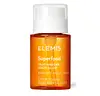
This smoothing toner is formulated around Urea and Panthenol to refine skin texture and hydrate skin.
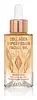
This hydrating oil is formulated around Persea Gratissima Oil and Cocoyl Hydrolyzed Collagen to hydrate skin and soften the look of wrinkles.

What's inside
What's inside
 Key Ingredients
Benefits
Concerns
Ingredients Side-by-side
Water
Skin ConditioningGlycerin
Humectant


Phenoxyethanol
Preservative
Polysorbate 20
Emulsifying

Urea
Buffering

Panthenol
Skin Conditioning

Chlorphenesin
Antimicrobial
Disodium EDTA
ChelatingParfum
Masking



Vinegar
Alpha-Glucan Oligosaccharide
Cleansing
Sodium Dehydroacetate
Preservative
Propylene Glycol
Humectant
Rubus Fruticosus Fruit Extract
AstringentRubus Idaeus Fruit Extract
AstringentPolysorbate 80
Emulsifying
Geraniol
Perfuming
Opuntia Ficus-Indica Stem Extract
Skin Conditioning
Linalool
Perfuming
Prunus Armeniaca Fruit Extract
Skin ConditioningPrunus Persica Fruit Extract
Abrasive
Pyrus Malus Fruit Extract
Skin Conditioning
Potassium Sorbate
Preservative
Sodium Benzoate
Masking
Litsea Cubeba Fruit Oil
Masking

Sodium Hydroxide
BufferingCitral
Perfuming
Zingiber Officinale Root Oil
Masking
Ethylhexylglycerin
Skin ConditioningRibes Nigrum Bud Oil
Perfuming
Water, Glycerin, Phenoxyethanol, Polysorbate 20, Urea, Panthenol, Chlorphenesin, Disodium EDTA, Parfum, Vinegar, Alpha-Glucan Oligosaccharide, Sodium Dehydroacetate, Propylene Glycol, Rubus Fruticosus Fruit Extract, Rubus Idaeus Fruit Extract, Polysorbate 80, Geraniol, Opuntia Ficus-Indica Stem Extract, Linalool, Prunus Armeniaca Fruit Extract, Prunus Persica Fruit Extract, Pyrus Malus Fruit Extract, Potassium Sorbate, Sodium Benzoate, Litsea Cubeba Fruit Oil, Sodium Hydroxide, Citral, Zingiber Officinale Root Oil, Ethylhexylglycerin, Ribes Nigrum Bud Oil
Persea Gratissima Oil
Skin Conditioning
Olea Europaea Fruit Oil
Masking
Orbignya Oleifera Seed Oil
Emollient
Caprylic/Capric Triglyceride
Masking
Silica Dimethyl Silylate
EmollientHelianthus Annuus Seed Oil
Emollient
Cocoyl Hydrolyzed Collagen
Cleansing
Oenothera Biennis Oil
Emollient
Rubus Idaeus Seed Oil
Emollient
Vaccinium Myrtillus Seed Oil
Skin Conditioning
Theobroma Cacao Extract
Skin ConditioningLavandula Angustifolia Oil
Masking
Lupinus Albus Seed Extract
Skin ConditioningTocopherol
Antioxidant



Citrus Aurantium Amara Flower Oil
Masking
Eucalyptus Globulus Leaf Oil
Perfuming
Magnolia Officinalis Bark Extract
Antimicrobial
Rosa Damascena Flower Extract
Masking
Rosa Damascena Flower Oil
Masking
Linalool
Perfuming
Limonene
Perfuming
Geraniol
Perfuming
Citronellol
Perfuming
Farnesol
Perfuming
Persea Gratissima Oil, Olea Europaea Fruit Oil, Orbignya Oleifera Seed Oil, Caprylic/Capric Triglyceride, Silica Dimethyl Silylate, Helianthus Annuus Seed Oil, Cocoyl Hydrolyzed Collagen, Oenothera Biennis Oil, Rubus Idaeus Seed Oil, Vaccinium Myrtillus Seed Oil, Theobroma Cacao Extract, Lavandula Angustifolia Oil, Lupinus Albus Seed Extract, Tocopherol, Citrus Aurantium Amara Flower Oil, Eucalyptus Globulus Leaf Oil, Magnolia Officinalis Bark Extract, Rosa Damascena Flower Extract, Rosa Damascena Flower Oil, Linalool, Limonene, Geraniol, Citronellol, Farnesol
Reviews
Ingredients Explained
These ingredients are found in both products.
Ingredients higher up in an ingredient list are typically present in a larger amount.
Geraniol is used to add fragrance/parfum to a product. It is the main component of citronellol. It is a monoterpenoid and an alcohol.
Monoterpenes are naturally found in many parts of different plants.
Geraniol can be found in many essential oils including Rose Oil and Citronella Oil. The scent of Geraniol is often described as "rose-like". Many foods also contain Geraniol for fruit flavoring.
Geraniol can irritate the skin when exposed to air. However, irritation depends on the ability of geraniol to penetrate into the skin. In general, geraniol is not able to penetrate skin easily.
Geraniol is colorless and has low water-solubility. However, it is soluble in common organic solvents.
Like citronellol, it is a natural insect repellent.
2,6-Octadien-1-ol, 3,7-dimethyl-, (2E)-
Learn more about GeraniolLinalool is a small, naturally occurring scent molecule found in plants like lavender, coriander, bergamot, and more.
It is one of the two most-used fragrance ingredients in cosmetics and added purely for smell. Since it's not used for a skin benefit, there's no "effective dose". Concentration depends on the fragrance load of the product.
The EU requires it to be named on the label above 0.001% in leave-on and 0.01% in rinse-off products.
Fresh linalool is a weak sensitizer but air exposure turns some of it into hydroperoxides, which are strong sensitizers. Those oxidation products are the actual allergy concern.
Patch-test clinics see positive reactions to linalool hydroperoxides in about 4% to 12% of dermatitis patients depending on country and test concentration.
Resassuringly, one analytical study found hydroperoxide levels in real fragranced products to be orders of magnitude below what induced sensitization in animal studies with no evidence of oxidation building up during normal storage.
The practical takeaway is that linalool is fine for most people but worth avoiding if you have a confirmed fragrance contact allergy or a badly compromised barrier.
Products stored a long time after opening are also the high-risk scenario since that is when oxidation happens.
The scent of linalool is described as floral, spicy tropical, and citrus-like.
Learn more about Linalool

