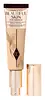
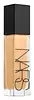
Charlotte Tilbury Beautiful Skin Foundation Versus NARS Cosmetics Natural Radiant Longwear Foundation


What's inside
What's inside
 Key Ingredients
Benefits
Concerns
Ingredients Side-by-side
Water
Skin ConditioningPyrus Malus Fruit Water
MaskingDimethicone
Emollient

Mica
Cosmetic ColorantOctyldodecyl Stearoyl Stearate
Emollient

Cetyl PEG/PPG-10/1 Dimethicone
Emulsifying
Hydrogenated Ethylhexyl Olivate
EmollientHydrogenated Polyisobutene
EmollientPropanediol
Solvent

Glycerin
Humectant
Trimethylsiloxysilicate
Emollient
Polyglyceryl-4 Isostearate
Emulsifying
Sodium Chloride
MaskingLauroyl Lysine
Skin Conditioning
Dimethicone/Vinyl Dimethicone Crosspolymer
Skin Conditioning
Disteardimonium Hectorite
StabilisingSodium Dehydroacetate
Preservative
Hydrogenated Olive Oil Unsaponifiables
Emollient
Caprylyl Glycol
Emollient
1,2-Hexanediol
Skin Conditioning
Triethoxycaprylylsilane
Sodium Gluconate
ChelatingTocopheryl Acetate
Antioxidant


Maltodextrin
Absorbent
Bixa Orellana Seed Extract
MaskingPentylene Glycol
Skin Conditioning
Butylene Glycol
Humectant
Cassia Angustifolia Seed Polysaccharide
Skin ConditioningSodium Hyaluronate
Humectant


Cocos Nucifera Fruit Extract
Emollient


Aluminum Hydroxide
EmollientRosa Damascena Flower Oil
Masking



Rosa Damascena Flower Water
Masking
Pentaerythrityl Tetra-Di-T-Butyl Hydroxyhydrocinnamate
Antioxidant
CI 77891
Cosmetic ColorantIron Oxides
Water, Pyrus Malus Fruit Water, Dimethicone, Mica, Octyldodecyl Stearoyl Stearate, Cetyl PEG/PPG-10/1 Dimethicone, Hydrogenated Ethylhexyl Olivate, Hydrogenated Polyisobutene, Propanediol, Glycerin, Trimethylsiloxysilicate, Polyglyceryl-4 Isostearate, Sodium Chloride, Lauroyl Lysine, Dimethicone/Vinyl Dimethicone Crosspolymer, Disteardimonium Hectorite, Sodium Dehydroacetate, Hydrogenated Olive Oil Unsaponifiables, Caprylyl Glycol, 1,2-Hexanediol, Triethoxycaprylylsilane, Sodium Gluconate, Tocopheryl Acetate, Maltodextrin, Bixa Orellana Seed Extract, Pentylene Glycol, Butylene Glycol, Cassia Angustifolia Seed Polysaccharide, Sodium Hyaluronate, Cocos Nucifera Fruit Extract, Aluminum Hydroxide, Rosa Damascena Flower Oil, Rosa Damascena Flower Water, Pentaerythrityl Tetra-Di-T-Butyl Hydroxyhydrocinnamate, CI 77891, Iron Oxides
Dimethicone
Emollient
Water
Skin ConditioningPhenyl Trimethicone
Skin Conditioning
Glycerin
Humectant
Polymethylsilsesquioxane
PEG-10 Dimethicone
Skin Conditioning
Dimethicone Crosspolymer
Emulsion Stabilising
Cyclopentasiloxane
Emollient
Trimethylsiloxysilicate
Emollient
PPG-3 Benzyl Ether Myristate
EmollientBoron Nitride
Absorbent
Bis-Butyldimethicone Polyglyceryl-3
Cleansing
Butylene Glycol
Humectant
Sorbitan Sesquiisostearate
Emulsifying
Rubus Idaeus Fruit Extract
AstringentCitrullus Lanatus Fruit Extract
Skin Conditioning
Pyrus Malus Fruit Extract
Skin Conditioning
Lens Esculenta Fruit Extract
Skin ConditioningTocopherol
Antioxidant
Sodium PCA
Humectant
Sodium Lactate
Buffering
Disodium Stearoyl Glutamate
CleansingHydrogenated Polydecene
EmollientPentaerythrityl Tetraethylhexanoate
Emollient
PEG/PPG-14/7 Dimethyl Ether
Skin ConditioningPentaerythrityl Tetra-Di-T-Butyl Hydroxyhydrocinnamate
Antioxidant
Sodium Stearoyl Glutamate
CleansingBehenic Acid
Cleansing
Stearic Acid
Cleansing
Stearyl Alcohol
Emollient
Behenyl Alcohol
Emollient
Disteardimonium Hectorite
StabilisingTriethoxycaprylylsilane
CI 77120
Cosmetic ColorantAluminum Dimyristate
Emulsion StabilisingAlumina
Abrasive
Tin Oxide
Abrasive
Polysilicone-2
Potassium Hydroxide
BufferingPhenoxyethanol
Preservative
Sodium Benzoate
Masking
Potassium Sorbate
Preservative
Mica
Cosmetic ColorantCI 77891
Cosmetic ColorantCI 77491
Cosmetic ColorantCI 77492
Cosmetic ColorantCI 77499
Cosmetic ColorantDimethicone, Water, Phenyl Trimethicone, Glycerin, Polymethylsilsesquioxane, PEG-10 Dimethicone, Dimethicone Crosspolymer, Cyclopentasiloxane, Trimethylsiloxysilicate, PPG-3 Benzyl Ether Myristate, Boron Nitride, Bis-Butyldimethicone Polyglyceryl-3, Butylene Glycol, Sorbitan Sesquiisostearate, Rubus Idaeus Fruit Extract, Citrullus Lanatus Fruit Extract, Pyrus Malus Fruit Extract, Lens Esculenta Fruit Extract, Tocopherol, Sodium PCA, Sodium Lactate, Disodium Stearoyl Glutamate, Hydrogenated Polydecene, Pentaerythrityl Tetraethylhexanoate, PEG/PPG-14/7 Dimethyl Ether, Pentaerythrityl Tetra-Di-T-Butyl Hydroxyhydrocinnamate, Sodium Stearoyl Glutamate, Behenic Acid, Stearic Acid, Stearyl Alcohol, Behenyl Alcohol, Disteardimonium Hectorite, Triethoxycaprylylsilane, CI 77120, Aluminum Dimyristate, Alumina, Tin Oxide, Polysilicone-2, Potassium Hydroxide, Phenoxyethanol, Sodium Benzoate, Potassium Sorbate, Mica, CI 77891, CI 77491, CI 77492, CI 77499
Reviews
Ingredients Explained
These ingredients are found in both products.
Ingredients higher up in an ingredient list are typically present in a larger amount.
Butylene Glycol (or BG) is used within cosmetic products for a few different reasons:
Overall, Butylene Glycol is a safe and well-rounded ingredient that works well with other ingredients.
Though this ingredient works well with most skin types, some people with sensitive skin may experience a reaction such as allergic rashes, closed comedones, or itchiness.
Learn more about Butylene GlycolCi 77891 is a white pigment from Titanium dioxide. It is naturally found in minerals such as rutile and ilmenite.
It's main function is to add a white color to cosmetics. It can also be mixed with other colors to create different shades.
Ci 77891 is commonly found in sunscreens due to its ability to block UV rays.
Learn more about CI 77891Dimethicone is a type of synthetic silicone created from natural materials such as quartz. It is also known as polydimethylsiloxane.
What it does:
Dimethicone comes in different viscosities:
Depending on the viscosity, dimethicone has different properties.
Ingredients lists don't always show which type is used, so we recommend reaching out to the brand if you have questions about the viscosity.
This ingredient is unlikely to cause irritation because it does not get absorbed into skin. However, people with silicone allergies should be careful about using this ingredient.
Note: Dimethicone may contribute to pilling. This is because it is not oil or water soluble, so pilling may occur when layered with products. When mixed with heavy oils in a formula, the outcome is also quite greasy.
Learn more about DimethiconeDisteardimonium Hectorite comes from the clay mineral named hectorite. It is used to add thickness to a product.
It can also help stabilize a product by helping to disperse other ingredients.
Hectorite is a rare, white clay mineral.
Learn more about Disteardimonium HectoriteGlycerin (or glycerol) is a compound naturally found in your skin. It's a powerhouse humectant that pulls water into the stratum corneum.
Topically, glycerin does several things at once:
Your skin makes glycerin on its own (mostly from sebaceous oil breakdown) and shuttles it to your outermost layer of skin, or your epidermis, via aquaporin-3.
Aquaporin-3 is a transporter that is essential for normal skin hydration, elasticity, and repair. Interestingly, mice lacking in AQP3 have dry and less elastic skin that can be fully corrected with glycerin.
This ingredient is non-irritating, plays well with almost every ingredient, and works across all skin types. Typical use is anywhere between 3-10% but can go up to 79% in some leave-on products.
Just know very high concentrations (>40%) can feel tacky in low humidity.
Glycerin is the name for this ingredient in American English. British English uses Glycerol/Glycerine.
Learn more about GlycerinMica is a naturally occurring mineral used to add shimmer and color in cosmetics. It can also help improve the texture of a product or give it an opaque, white/silver color.
Serecite is the name for very fine but ragged grains of mica.
This ingredient is often coated with metal oxides like titanium dioxide. Trace amounts of heavy metals may be found in mica, but these metals are not harmful in our personal products.
Mica has been used since prehistoric times throughout the world. Ancient Egyptian, Indian, Greek, Roman, Aztec, and Chinese civilizations have used mica.
Learn more about MicaPentaerythrityl Tetra-Di-T-Butyl Hydroxyhydrocinnamate (long name, huh?) is a synthetic antioxidant.
It is used to help stabilize other antioxidants or prevent the color from changing in a product.
As an antioxidant, it helps fight free-radical molecules. Free-radical molecules are capable of damaging our cells and other genetic material. Thus, antioxidants may reduce the signs of aging.
This ingredient is oil-soluble.
Learn more about Pentaerythrityl Tetra-Di-T-Butyl HydroxyhydrocinnamateTriethoxycaprylylsilane is a silicon-based surface modifier that makes sunscreens feel silky and makeup stay put.
Its main job is to coat mineral particles like titanium dioxide, zinc oxide, and color pigments in a thin, oily layer so they spread smoothly, don't clump, and stick to skin better.
This ingredient is typically used at low levels (up to 2.5% in eyeshadow and 1% in lipstick).
Learn more about TriethoxycaprylylsilaneThis silicone is an emollient. Emollients create a thin film on the skin to prevent moisture from escaping.
It is not soluble in water and helps increase water-resistance in products.
According to a manufacturer, it can blend seamlessly with silicone oils, such as Cyclopentasiloxane.
Learn more about TrimethylsiloxysilicateWater. It's the most common cosmetic ingredient of all. You'll usually see it at the top of ingredient lists, meaning that it makes up the largest part of the product.
So why is it so popular? Water most often acts as a solvent - this means that it helps dissolve other ingredients into the formulation.
You'll also recognize water as that liquid we all need to stay alive. If you see this, drink a glass of water. Remember to stay hydrated!
Learn more about Water

