
What's inside
What's inside
 Key Ingredients
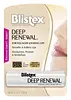
Benefits
Concerns
Ingredients Side-by-side
Helianthus Annuus Seed Oil
Emollient


Jojoba Esters
Emollient
Euphorbia Cerifera Wax
Cocos Nucifera Oil
Masking



Beeswax
Emulsion Stabilising
Caprylic/Capric Triglyceride
Masking
Copernicia Cerifera Wax
Argania Spinosa Kernel Oil
Emollient


Tocopheryl Acetate
Antioxidant


Carthamus Tinctorius Seed Oil
Masking
Mangifera Indica Seed Butter
Skin Conditioning
Butyrospermum Parkii Butter
Skin Conditioning
Octyldodecanol
Emollient
Persea Gratissima Oil
Skin Conditioning
Olea Europaea Fruit Oil
Masking
Hydrogenated Soybean Oil
Emollient
Tocopherol
Antioxidant

Aloe Barbadensis Leaf Extract
Emollient
Aroma

Rubus Idaeus Seed Oil
Emollient
Glyceryl Stearate
Emollient
Helianthus Annuus Seed Oil, Jojoba Esters, Euphorbia Cerifera Wax, Cocos Nucifera Oil, Beeswax, Caprylic/Capric Triglyceride, Copernicia Cerifera Wax, Argania Spinosa Kernel Oil, Tocopheryl Acetate, Carthamus Tinctorius Seed Oil, Mangifera Indica Seed Butter, Butyrospermum Parkii Butter, Octyldodecanol, Persea Gratissima Oil, Olea Europaea Fruit Oil, Hydrogenated Soybean Oil, Tocopherol, Aloe Barbadensis Leaf Extract, Aroma, Rubus Idaeus Seed Oil, Glyceryl Stearate
Butyl Methoxydibenzoylmethane 3%
UV Absorber
Dimethicone 2%
Emollient

Ethylhexyl Methoxycinnamate 6.6%
UV Absorber

Ethylhexyl Salicylate 4.4%
UV Absorber
Atelocollagen
Skin Conditioning
Beeswax
Emulsion Stabilising
Butylene Glycol
Humectant
Dipalmitoyl Hydroxyproline
Skin Conditioning
Ethylhexyl Palmitate
Emollient
Aroma
Jojoba Esters
Emollient
Lanolin Alcohol
Emollient
Microcrystalline Wax
Emulsion StabilisingOctyldodecanol
Emollient
Pentaerythrityl Tetraisostearate
Emollient
Pentylene Glycol
Skin Conditioning
Petrolatum
Emollient
Phenoxyethanol
Preservative
Polybutene
Ricinus Communis Seed Oil
Masking
Saccharin
MaskingSilica Dimethyl Silylate
EmollientSodium Chondroitin Sulfate
Skin Conditioning
Sodium Hyaluronate
Humectant
Sorbic Acid
Preservative
Squalane
Emollient
Tetrahexyldecyl Ascorbate
Antioxidant


Tocopheryl Acetate
Antioxidant
Ubiquinone
Antioxidant
Butyl Methoxydibenzoylmethane 3%, Dimethicone 2%, Ethylhexyl Methoxycinnamate 6.6%, Ethylhexyl Salicylate 4.4%, Atelocollagen, Beeswax, Butylene Glycol, Dipalmitoyl Hydroxyproline, Ethylhexyl Palmitate, Aroma, Jojoba Esters, Lanolin Alcohol, Microcrystalline Wax, Octyldodecanol, Pentaerythrityl Tetraisostearate, Pentylene Glycol, Petrolatum, Phenoxyethanol, Polybutene, Ricinus Communis Seed Oil, Saccharin, Silica Dimethyl Silylate, Sodium Chondroitin Sulfate, Sodium Hyaluronate, Sorbic Acid, Squalane, Tetrahexyldecyl Ascorbate, Tocopheryl Acetate, Ubiquinone
Reviews
Ingredients Explained
These ingredients are found in both products.
Ingredients higher up in an ingredient list are typically present in a larger amount.
Aroma refers to an ingredient, or mixture of ingredients, that impart or mask a flavor.
The name is slightly confusing. This is because INCI associates aroma with flavor instead of smell.
Here is the official definition from the The International Cosmetic Ingredient Dictionary and Handbook:
“Aroma is a term for ingredient labeling used to identify that a product contains a material or combination of materials normally added to a cosmetic to produce or to mask a particular flavor.”
INCI shows the only purpose of aroma to be "flavouring".
However, due to regulation differences, some companies may use aroma in place of parfum.
In Canada, this ingredient only has to be listed in concentrations above 1%.
Learn more about AromaBeeswax is natural wax produced by honey bees to build their honeycomb.
Because it forms a protective layer on your skin, it can help lock in moisture and reduce water loss. It is also widely used as a thickener and emulsifier in lip balms and lotions. Research suggests beeswax containing moisturizers can support skin barrier integrity.
In comedogenic testing, Beeswax scored a 0-2, which is on the low end. Whether or not a product clogs your pores really comes down to the formula as a whole (not any single ingredient on its own).
Cera Alba is the white, bleached form of this ingredient.
Just so you know, beeswax is not vegan since it is animal-derived. It cannot be removed with water, but can be taken off with an oil cleanser.
People with a known Propolis allergy also report to have reactions from beeswax.
Beeswax's wax esters are derived primarily from palmitic and oleic acid (C16 and C18:1). Both of these fall within the C11-C24 feeding window.
The Malassezia yeast can potentially cleave these esters and release usable fatty acids, so this ingredient may not be fungal acne safe. However, not everyone will react to this ingredient.
Learn more about BeeswaxJojoba Esters is a wax created from Jojoba oil. It is an emollient and film-forming ingredient. In bead form, it is an exfoliator.
This ingredient has high oxidative stability, meaning it doesn't break down when exposed to oxygen.
Its similarity to our skin's natural oils makes it a great emollient. Emollients help soften and soothe our skin by creating a barrier on top. This barrier helps trap moisture in, keeping skin hydrated.
It is created using either the hydrogenation or transesterification processes on jojoba oil.
Learn more about Jojoba EstersOctyldodecanol is a fatty alcohol sourced from plant oils like coconut or palm (or made synthetically).
It is:
You'll likely see this in many BHA products because this is the go-to solvent for salicylic acid.
This ingredient is typically used at levels between 2-20%.
Regarding fungal acne:
In 2019, this ingredient was tested against multiple Malassezia species (the yeast that causes fungal acne) and showed no growth.
Tocopheryl Acetate is AKA Vitamin E. It is an antioxidant and protects your skin from free radicals. Free radicals damage the skin by breaking down collagen.
One study found using Tocopheryl Acetate with Vitamin C decreased the number of sunburned cells.
Tocopheryl Acetate is commonly found in both skincare and dietary supplements.
Learn more about Tocopheryl Acetate
