

What's inside
What's inside
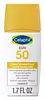 Key Ingredients
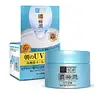
Benefits
Concerns
No concerns
Ingredients Side-by-side
Zinc Oxide 12%
Cosmetic Colorant


Allantoin
Skin Conditioning




Bisabolol
Antioxidant
Butyloctyl Salicylate
Skin Conditioning
C12-15 Alkyl Benzoate
AntimicrobialCaprylyl Glycol
Emollient
Caprylyl Methicone
Skin Conditioning
Dimethicone
Emollient
Dimethiconol
Emollient
Ethylhexylglycerin
Skin ConditioningHexylene Glycol
EmulsifyingIsododecane
EmollientLauryl PEG-10 Tris(Trimethylsiloxy)Silylethyl Dimethicone
Emulsifying
Lauryl PEG-8 Dimethicone
Surfactant
Niacinamide
Smoothing






Octyldodecyl Neopentanoate
EmollientPEG-10
HumectantPhenoxyethanol
Preservative
Polymethylsilsesquioxane
Propanediol
Solvent
Sodium Chloride
MaskingSodium Hydroxide
BufferingTetrasodium Glutamate Diacetate
Tocopherol
Antioxidant
Trilaureth-4 Phosphate
EmulsifyingWater
Skin ConditioningZinc Oxide 12%, Allantoin, Bisabolol, Butyloctyl Salicylate, C12-15 Alkyl Benzoate, Caprylyl Glycol, Caprylyl Methicone, Dimethicone, Dimethiconol, Ethylhexylglycerin, Hexylene Glycol, Isododecane, Lauryl PEG-10 Tris(Trimethylsiloxy)Silylethyl Dimethicone, Lauryl PEG-8 Dimethicone, Niacinamide, Octyldodecyl Neopentanoate, PEG-10, Phenoxyethanol, Polymethylsilsesquioxane, Propanediol, Sodium Chloride, Sodium Hydroxide, Tetrasodium Glutamate Diacetate, Tocopherol, Trilaureth-4 Phosphate, Water
Water
Skin ConditioningEthylhexyl Methoxycinnamate
UV Absorber
Isononyl Isononanoate
EmollientDimethicone
Emollient
Alcohol
Antimicrobial



Butylene Glycol
Humectant
PEG-12 Dimethicone
Skin Conditioning
Pentylene Glycol
Skin Conditioning
Polysilicone-15
UV Filter
Glycol Dimethacrylate Crosspolymer
Bis-Ethylhexyloxyphenol Methoxyphenyl Triazine
Skin Conditioning
Magnesium Ascorbyl Phosphate
Antioxidant
Hydrolyzed Hyaluronic Acid
Humectant
Sodium Hyaluronate
Humectant
Diethylamino Hydroxybenzoyl Hexyl Benzoate
UV Filter
Polysilicone-13
Phenoxyethanol
Preservative
Carbomer
Emulsion StabilisingTriethanolamine
BufferingPolystyrene
Polyvinyl Alcohol
Hydroxyethylcellulose
Emulsion StabilisingDisodium EDTA
Iodopropynyl Butylcarbamate
Preservative
Acrylates/C10-30 Alkyl Acrylate Crosspolymer
Emulsion StabilisingTitanium Dioxide
Cosmetic Colorant
Ammonium Acrylates Copolymer
Hydrated Silica
Abrasive
Aluminum Hydroxide
EmollientHydrogen Dimethicone
Methylparaben
Preservative
Water, Ethylhexyl Methoxycinnamate, Isononyl Isononanoate, Dimethicone, Alcohol, Butylene Glycol, PEG-12 Dimethicone, Pentylene Glycol, Polysilicone-15, Glycol Dimethacrylate Crosspolymer, Bis-Ethylhexyloxyphenol Methoxyphenyl Triazine, Magnesium Ascorbyl Phosphate, Hydrolyzed Hyaluronic Acid, Sodium Hyaluronate, Diethylamino Hydroxybenzoyl Hexyl Benzoate, Polysilicone-13, Phenoxyethanol, Carbomer, Triethanolamine, Polystyrene, Polyvinyl Alcohol, Hydroxyethylcellulose, Disodium EDTA, Iodopropynyl Butylcarbamate, Acrylates/C10-30 Alkyl Acrylate Crosspolymer, Titanium Dioxide, Ammonium Acrylates Copolymer, Hydrated Silica, Aluminum Hydroxide, Hydrogen Dimethicone, Methylparaben
Reviews
Ingredients Explained
These ingredients are found in both products.
Ingredients higher up in an ingredient list are typically present in a larger amount.
Dimethicone is a type of synthetic silicone created from natural materials such as quartz. It is also known as polydimethylsiloxane.
What it does:
Dimethicone comes in different viscosities:
Depending on the viscosity, dimethicone has different properties.
Ingredients lists don't always show which type is used, so we recommend reaching out to the brand if you have questions about the viscosity.
This ingredient is unlikely to cause irritation because it does not get absorbed into skin. However, people with silicone allergies should be careful about using this ingredient.
Note: Dimethicone may contribute to pilling. This is because it is not oil or water soluble, so pilling may occur when layered with products. When mixed with heavy oils in a formula, the outcome is also quite greasy.
Learn more about DimethiconePhenoxyethanol is a preservative that has germicide, antimicrobial, and aromatic properties. Studies show that phenoxyethanol can prevent microbial growth. By itself, it has a scent that is similar to that of a rose.
It's often used in formulations along with Caprylyl Glycol to preserve the shelf life of products.
Water. It's the most common cosmetic ingredient of all. You'll usually see it at the top of ingredient lists, meaning that it makes up the largest part of the product.
So why is it so popular? Water most often acts as a solvent - this means that it helps dissolve other ingredients into the formulation.
You'll also recognize water as that liquid we all need to stay alive. If you see this, drink a glass of water. Remember to stay hydrated!
Learn more about Water

