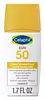
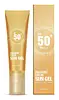
Cetaphil Sheer Mineral Face Liquid Sunscreen Broad Spectrum SPF 50 Versus Deoproce Hyaluronic Cooling Sun Gel SPF 50+ PA+++
This hybrid sunscreen covers the full UV range and blocks ~98% of UVB at SPF 50.
This chemical sunscreen covers the full UV range and blocks ~98% of UVB at SPF 50.


What's inside
What's inside
 Key Ingredients
Benefits
Concerns
No concerns
Ingredients Side-by-side
Zinc Oxide 12%
Cosmetic Colorant


Allantoin
Skin Conditioning




Bisabolol
Antioxidant
Butyloctyl Salicylate
Skin Conditioning
C12-15 Alkyl Benzoate
AntimicrobialCaprylyl Glycol
Emollient
Caprylyl Methicone
Skin Conditioning
Dimethicone
Emollient
Dimethiconol
Emollient
Ethylhexylglycerin
Skin ConditioningHexylene Glycol
EmulsifyingIsododecane
EmollientLauryl PEG-10 Tris(Trimethylsiloxy)Silylethyl Dimethicone
Emulsifying
Lauryl PEG-8 Dimethicone
Surfactant
Niacinamide
Smoothing






Octyldodecyl Neopentanoate
EmollientPEG-10
HumectantPhenoxyethanol
Preservative
Polymethylsilsesquioxane
Propanediol
Solvent
Sodium Chloride
MaskingSodium Hydroxide
BufferingTetrasodium Glutamate Diacetate
ChelatingTocopherol
Antioxidant
Trilaureth-4 Phosphate
EmulsifyingWater
Skin ConditioningZinc Oxide 12%, Allantoin, Bisabolol, Butyloctyl Salicylate, C12-15 Alkyl Benzoate, Caprylyl Glycol, Caprylyl Methicone, Dimethicone, Dimethiconol, Ethylhexylglycerin, Hexylene Glycol, Isododecane, Lauryl PEG-10 Tris(Trimethylsiloxy)Silylethyl Dimethicone, Lauryl PEG-8 Dimethicone, Niacinamide, Octyldodecyl Neopentanoate, PEG-10, Phenoxyethanol, Polymethylsilsesquioxane, Propanediol, Sodium Chloride, Sodium Hydroxide, Tetrasodium Glutamate Diacetate, Tocopherol, Trilaureth-4 Phosphate, Water
Water
Skin ConditioningEthylhexyl Methoxycinnamate
UV Absorber
Octocrylene
UV Absorber
Ethylhexyl Salicylate
UV Absorber
4-Methylbenzylidene Camphor
UV Absorber
Behenyl Alcohol
Emollient
Butyl Methoxydibenzoylmethane
UV Absorber
Dipropylene Glycol
Humectant1,2-Hexanediol
Skin Conditioning
Niacinamide
Smoothing
Glycerin
Humectant
Methyl Methacrylate Crosspolymer
Bis-Ethylhexyloxyphenol Methoxyphenyl Triazine
UV Absorber
Portulaca Oleracea Extract
Skin Conditioning
Olea Europaea Leaf Extract
Perfuming
Sodium Hyaluronate
Humectant
Ceramide NP
Skin Conditioning
Bambusa Vulgaris Extract
Skin Conditioning
Eucalyptus Globulus Leaf Extract
Perfuming
Hydrogenated Lecithin
Emulsifying
Aloe Barbadensis Leaf Extract
Emollient
Adansonia Digitata Seed Extract
Skin ConditioningButylene Glycol
Humectant
Tromethamine
BufferingCarbomer
Emulsion StabilisingParfum
Masking

Silica
Abrasive
Adenosine
Skin Conditioning
Disodium EDTA
ChelatingPentylene Glycol
Skin Conditioning
Phenoxyethanol
Preservative
Caprylyl Glycol
Emollient
Caprylic/Capric Triglyceride
Masking
Ethylhexylglycerin
Skin ConditioningWater, Ethylhexyl Methoxycinnamate, Octocrylene, Ethylhexyl Salicylate, 4-Methylbenzylidene Camphor, Behenyl Alcohol, Butyl Methoxydibenzoylmethane, Dipropylene Glycol, 1,2-Hexanediol, Niacinamide, Glycerin, Methyl Methacrylate Crosspolymer, Bis-Ethylhexyloxyphenol Methoxyphenyl Triazine, Portulaca Oleracea Extract, Olea Europaea Leaf Extract, Sodium Hyaluronate, Ceramide NP, Bambusa Vulgaris Extract, Eucalyptus Globulus Leaf Extract, Hydrogenated Lecithin, Aloe Barbadensis Leaf Extract, Adansonia Digitata Seed Extract, Butylene Glycol, Tromethamine, Carbomer, Parfum, Silica, Adenosine, Disodium EDTA, Pentylene Glycol, Phenoxyethanol, Caprylyl Glycol, Caprylic/Capric Triglyceride, Ethylhexylglycerin
Reviews
Ingredients Explained
These ingredients are found in both products.
Ingredients higher up in an ingredient list are typically present in a larger amount.
Caprylyl Glycol is a humectant, skin conditioner, emollient, and preservative booster derived from either caprylic acid or synthetically created.
Typical use levels vary from 0.3-1% as a preservative booster and go up to 2% to condition skin.
Because it is not a free-fatty acid, this ingredient is fungal acne safe (there's nothing for Malassezia to feed on).
Learn more about Caprylyl GlycolEthylhexylglycerin is created from glycerin. It is a multitasker ingredient that:
The CIR Expert Panel found minimal skin absorption or sensitization of any kind in a safety assessment. Though this ingredient is considered well-tolerated, a small number of cases of allergic dermatitis have been published since 2002. Just be sure to patch test if you are unsure.
Industry-reported use ranges from 8% in rinse-off products and 2% in leave-on formulations.
Learn more about EthylhexylglycerinNiacinamide is a multitasking form of vitamin B3 that strengthens the skin barrier, reduces pores and dark spots, regulates oil, and improves signs of aging.
And the best part? It's gentle and well-tolerated by most skin types, including sensitive and reactive skin.
You might have heard of "niacin flush", or the reddening of skin that causes itchiness. Niacinamide has not been found to cause this.
In very rare cases, some individuals may not be able to tolerate niacinamide at all or experience an allergic reaction to it.
If you are experiencing flaking, irritation, and dryness with this ingredient, be sure to double check all your products as this ingredient can be found in all categories of skincare.
When incorporating niacinamide into your routine, look out for concentration amounts. Typically, 5% niacinamide provides benefits such as fading dark spots. However, if you have sensitive skin, it is better to begin with a smaller concentration.
When you apply niacinamide to your skin, your body converts it into nicotinamide adenine dinucleotide (NAD). NAD is an essential coenzyme that is already found in your cells as "fuel" and powers countless biological processes.
In your skin, NAD helps repair cell damage, produce new healthy cells, support collagen production, strengthen the skin barrier, and fight environmental stressors (like UV and pollution).
Our natural NAD levels start to decline with age, leading to slower skin repair, visible aging, and a weaker skin barrier. By providing your skin niacinamide, you're recharging your skin's NAD levels. This leads to stronger, healthier, and younger looking skin.
Another name for vitamin B3 is nicotinamide. This vitamin is water-soluble and our bodies don't store it. We obtain Vitamin B3 from either food or skincare. Meat, fish, wheat, yeast, and leafy greens contain vitamin B3.
The type of niacinamide used in skincare is synthetically created.
Learn more about NiacinamidePhenoxyethanol is one of the most widely used preservatives in skincare (and for good reason!).
It has a large spectrum of antimicrobial activity and especially effective bacteria, yeast, and mold while only having a weak effect on your skin's natural microbiome.
On a cellular level, it disrupts the cell membranes of microbes by poking holes that make the cell leak. This shuts down the chemical reactions the microbe needs to make energy so it can no longer survive.
Another perk of this ingredient is that it stays functional across a wide pH range (3-10).
You'll often see it paired with boosters like Ethylhexylglycerin; one study showed that a 1:9 ratio of Ethylhexylglycerin to Phenoxyethanol damages bacterial membranes as effectively as doubling the Phenoxyethanol concentration on its own.
Typical use concentrations range from 0.3-1% depending on the formula, and this ingredient is capped at 1% int the EU.
Safety-wise, the fear mongering does not hold up to the evidence. The EU's Scientific Committee on Consumer Safety and FDA consider it safe as a preservative at up to 1%, including for children of all ages.
Adverse systemic effects only showed up in animal studies at exposures roughly 200x higher than what people get from cosmetics. And despite its very widespread use, this ingredient is a rare sensitizer and allergic reactions are uncommon.
Learn more about PhenoxyethanolWater. It's the most common cosmetic ingredient of all. You'll usually see it at the top of ingredient lists, meaning that it makes up the largest part of the product.
So why is it so popular? Water most often acts as a solvent - this means that it helps dissolve other ingredients into the formulation.
You'll also recognize water as that liquid we all need to stay alive. If you see this, drink a glass of water. Remember to stay hydrated!
Learn more about Water

