
What's inside
What's inside
 Key Ingredients
Benefits
Concerns
Ingredients Side-by-side
Water
Skin ConditioningPropanediol
Solvent

Glycerin
Humectant
Niacinamide
Smoothing









Cetearyl Alcohol
Emollient




Cetearyl Ethylhexanoate
Emollient
Caprylic/Capric Triglyceride
Masking
Dimethicone
Emollient
Petrolatum
Emollient
Polyacrylate Crosspolymer-6
Emulsion StabilisingHydrogenated Lecithin
Emulsifying
Ceramide NP
Skin Conditioning
Ceramide AP
Skin Conditioning
Ceramide EOP
Skin Conditioning
Carbomer
Emulsion StabilisingBehentrimonium Methosulfate

Triethyl Citrate
Masking
Caffeine
Skin Conditioning
Sodium Hyaluronate
Humectant
Sodium Lauroyl Lactylate
EmulsifyingSodium Lactate
Buffering
Cholesterol
Emollient
Palmitoyl Tripeptide-1
Skin Conditioning
Palmitoyl Tetrapeptide-7
Skin Conditioning
Phenoxyethanol
Preservative
Isopropyl Myristate
Emollient
Caprylyl Glycol
Emollient
Trisodium Ethylenediamine Disuccinate
Phytosphingosine
Skin Conditioning
Xanthan Gum
EmulsifyingButylene Glycol
Humectant
Polysorbate 20
Emulsifying
Benzoic Acid
Masking
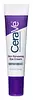
Water, Propanediol, Glycerin, Niacinamide, Cetearyl Alcohol, Cetearyl Ethylhexanoate, Caprylic/Capric Triglyceride, Dimethicone, Petrolatum, Polyacrylate Crosspolymer-6, Hydrogenated Lecithin, Ceramide NP, Ceramide AP, Ceramide EOP, Carbomer, Behentrimonium Methosulfate, Triethyl Citrate, Caffeine, Sodium Hyaluronate, Sodium Lauroyl Lactylate, Sodium Lactate, Cholesterol, Palmitoyl Tripeptide-1, Palmitoyl Tetrapeptide-7, Phenoxyethanol, Isopropyl Myristate, Caprylyl Glycol, Trisodium Ethylenediamine Disuccinate, Phytosphingosine, Xanthan Gum, Butylene Glycol, Polysorbate 20, Benzoic Acid
Water
Skin ConditioningDimethicone
Emollient
Pentylene Glycol
Skin Conditioning
Silica
Abrasive
Squalane
Emollient
Undecane
EmollientGlycerin
Humectant
Pyrus Malus Fruit Extract
Skin Conditioning
Tridecane
Perfuming
1,2-Hexanediol
Skin Conditioning
Ammonium Acryloyldimethyltaurate/Vp Copolymer
Cetyl Alcohol
Emollient
Polyglyceryl-10 Laurate
Skin Conditioning
Polyglyceryl-4 Caprate
EmulsifyingHydroxyacetophenone
Antioxidant
Propanediol
Solvent
Tridecapeptide-1
Skin Conditioning
Palmitoyl Tetrapeptide-7
Skin Conditioning
Acetyl Hexapeptide-8
Humectant
Arginine/Lysine Polypeptide
Skin Conditioning
Acrylates/C10-30 Alkyl Acrylate Crosspolymer
Emulsion StabilisingSodium Phytate
Sorbitan Oleate
Emulsifying
Diosmine
Antioxidant
Coleus Forskohlii Root Extract
EmollientCaprylyl Glycol
Emollient
Xanthan Gum
EmulsifyingGlyceryl Caprylate
EmollientPseudoalteromonas Ferment Extract
Humectant
Tocopherol
Antioxidant
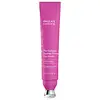
Water, Dimethicone, Pentylene Glycol, Silica, Squalane, Undecane, Glycerin, Pyrus Malus Fruit Extract, Tridecane, 1,2-Hexanediol, Ammonium Acryloyldimethyltaurate/Vp Copolymer, Cetyl Alcohol, Polyglyceryl-10 Laurate, Polyglyceryl-4 Caprate, Hydroxyacetophenone, Propanediol, Tridecapeptide-1, Palmitoyl Tetrapeptide-7, Acetyl Hexapeptide-8, Arginine/Lysine Polypeptide, Acrylates/C10-30 Alkyl Acrylate Crosspolymer, Sodium Phytate, Sorbitan Oleate, Diosmine, Coleus Forskohlii Root Extract, Caprylyl Glycol, Xanthan Gum, Glyceryl Caprylate, Pseudoalteromonas Ferment Extract, Tocopherol
Reviews
Ingredients Explained
These ingredients are found in both products.
Ingredients higher up in an ingredient list are typically present in a larger amount.
Caprylyl Glycol is a humectant, skin conditioner, emollient, and preservative booster derived from either caprylic acid or synthetically created.
Typical use levels vary from 0.3-1% as a preservative booster and go up to 2% to condition skin.
Because it is not a free-fatty acid or alcohol, this ingredient is fungal acne safe (there's nothing for Malassezia to feed on).
Learn more about Caprylyl GlycolDimethicone is a type of synthetic silicone created from natural materials such as quartz. It is also known as polydimethylsiloxane.
What it does:
Dimethicone comes in different viscosities:
Depending on the viscosity, dimethicone has different properties.
Ingredients lists don't always show which type is used, so we recommend reaching out to the brand if you have questions about the viscosity.
This ingredient is unlikely to cause irritation because it does not get absorbed into skin. However, people with silicone allergies should be careful about using this ingredient.
Note: Dimethicone may contribute to pilling. This is because it is not oil or water soluble, so pilling may occur when layered with products. When mixed with heavy oils in a formula, the outcome is also quite greasy.
Learn more about DimethiconeGlycerin (or glycerol) is a compound naturally found in your skin. It's a powerhouse humectant that pulls water into the stratum corneum.
Topically, glycerin does several things at once:
Your skin makes glycerin on its own (mostly from sebaceous oil breakdown) and shuttles it to your outermost layer of skin, or your epidermis, via aquaporin-3.
Aquaporin-3 is a transporter that is essential for normal skin hydration, elasticity, and repair. Interestingly, mice lacking in AQP3 have dry and less elastic skin that can be fully corrected with glycerin.
This ingredient is non-irritating, plays well with almost every ingredient, and works across all skin types. Typical use is anywhere between 3-10% but can go up to 79% in some leave-on products.
Just know very high concentrations (>40%) can feel tacky in low humidity.
Glycerin is the name for this ingredient in American English. British English uses Glycerol/Glycerine.
Learn more about GlycerinPalmitoyl Tetrapeptide-7 (formerly Palmitoyl Tetrapeptide-3) is a lab-made peptide with anti-inflammatory and skin-repairing benefits. It's made up of four amino acids (glycine, glutamine, proline, and arginine) and palmitic acid (which helps it penetrate skin more effectively).
This ingredient helps reduce inflammation by limiting the production of interleukin-6 (IL-6), a chemical that triggers inflammatory responses, particularly after UV exposure.
Less inflammation = slower collagen breakdown and a longer-lasting, youthful appearance.
Palmitoyl Tetrapeptide-7 also stimulates collagen production and supports a healthier skin barrier.
Over time, this can improve skin firmness, hydration, and reduce the appearance of fine lines. It’s commonly paired with Palmitoyl Tripeptide-1 in the well-known Matrixyl 3000 complex for enhanced anti-aging effects.
This ingredient has been shown to be effective and safe in cosmetic use and you'll typically find it in small amounts (less than 0.01%).
Due to its palmitic acid base, it may not be safe for Malassezia folliculitis.
Read more about other common types of peptides here:
Learn more about Palmitoyl Tetrapeptide-7Propanediol is an all-star ingredient. It softens, hydrates, and smooths the skin.
It’s often used to:
Propanediol is not likely to cause sensitivity and considered safe to use. It is derived from corn or petroleum with a clear color and no scent.
Learn more about PropanediolWater. It's the most common cosmetic ingredient of all. You'll usually see it at the top of ingredient lists, meaning that it makes up the largest part of the product.
So why is it so popular? Water most often acts as a solvent - this means that it helps dissolve other ingredients into the formulation.
You'll also recognize water as that liquid we all need to stay alive. If you see this, drink a glass of water. Remember to stay hydrated!
Learn more about WaterXanthan gum is used as a stabilizer and thickener within cosmetic products. It helps give products a sticky, thick feeling - preventing them from being too runny.
On the technical side of things, xanthan gum is a polysaccharide - a combination consisting of multiple sugar molecules bonded together.
Xanthan gum is a pretty common and great ingredient. It is a natural, non-toxic, non-irritating ingredient that is also commonly used in food products.
Learn more about Xanthan Gum
