

What's inside
What's inside
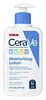 Key Ingredients
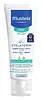
Benefits
Concerns
Ingredients Side-by-side
Water
Skin ConditioningCetearyl Alcohol
Emollient




Caprylic/Capric Triglyceride
Masking

Cetyl Alcohol
Emollient
Phenoxyethanol
Preservative
Niacinamide
Smoothing










Dimethicone
Emollient
Allantoin
Skin Conditioning
Potassium Phosphate
BufferingCeramide NP
Skin Conditioning
Ceramide AP
Skin Conditioning
Ceramide EOP
Skin Conditioning
Carbomer
Emulsion StabilisingZinc Citrate
Behentrimonium Methosulfate
Surfactant
Sodium Lauroyl Lactylate
EmulsifyingSodium PCA
Humectant
Arginine PCA
HumectantSodium Hyaluronate
Humectant
Cholesterol
Emollient
Dipotassium Phosphate
BufferingDisodium EDTA
Tocopheryl Acetate
Antioxidant

Tocopherol
Antioxidant
Lauric Acid
Cleansing
Phytosphingosine
Skin Conditioning
Xanthan Gum
EmulsifyingPolyglyceryl-3 Diisostearate
Emulsifying
Polysorbate 60
Emulsifying
Ethylhexylglycerin
Skin ConditioningWater, Cetearyl Alcohol, Caprylic/Capric Triglyceride, Cetyl Alcohol, Phenoxyethanol, Niacinamide, Dimethicone, Allantoin, Potassium Phosphate, Ceramide NP, Ceramide AP, Ceramide EOP, Carbomer, Zinc Citrate, Behentrimonium Methosulfate, Sodium Lauroyl Lactylate, Sodium PCA, Arginine PCA, Sodium Hyaluronate, Cholesterol, Dipotassium Phosphate, Disodium EDTA, Tocopheryl Acetate, Tocopherol, Lauric Acid, Phytosphingosine, Xanthan Gum, Polyglyceryl-3 Diisostearate, Polysorbate 60, Ethylhexylglycerin
Water
Skin ConditioningPropanediol Dicaprylate
EmollientC10-18 Triglycerides
Emollient
Glycerin
Humectant
Triisostearin
Skin Conditioning
Glyceryl Stearate Citrate
Emollient
Ricinus Communis Seed Oil
Masking

Butyrospermum Parkii Butter
Skin Conditioning
Helianthus Annuus Seed Oil Unsaponifiables
Emollient
1,2-Hexanediol
Skin Conditioning
Cetyl Alcohol
Emollient
Polyacrylate Crosspolymer-6
Emulsion StabilisingSodium Stearoyl Glutamate
CleansingGlyceryl Caprylate
EmollientHydrogenated Castor Oil
Emollient
Sodium Citrate
BufferingCitric Acid
Buffering

Dipotassium Glycyrrhizate
Humectant
Tocopherol
Antioxidant
Persea Gratissima Fruit Extract
EmollientCeramide NP
Skin Conditioning
Phytosphingosine
Skin Conditioning
Water, Propanediol Dicaprylate, C10-18 Triglycerides, Glycerin, Triisostearin, Glyceryl Stearate Citrate, Ricinus Communis Seed Oil, Butyrospermum Parkii Butter, Helianthus Annuus Seed Oil Unsaponifiables, 1,2-Hexanediol, Cetyl Alcohol, Polyacrylate Crosspolymer-6, Sodium Stearoyl Glutamate, Glyceryl Caprylate, Hydrogenated Castor Oil, Sodium Citrate, Citric Acid, Dipotassium Glycyrrhizate, Tocopherol, Persea Gratissima Fruit Extract, Ceramide NP, Phytosphingosine
Reviews
Ingredients Explained
These ingredients are found in both products.
Ingredients higher up in an ingredient list are typically present in a larger amount.
Ceramide NP (formerly known as Ceramide 3) is one of the skin's naturally occurring lipids.
Since ceramides are the major lipid components of the skin, they are crucial for maintaining skin barrier and hydration. Ceramide NP most closely mirrors the dominant kind in human skin amongst ceramide subtypes.
This ceramide works by slotting into gaps within the stratum corneum's lipid matrix to limit trans-epidermal water loss (TEWL) and shield the skin against external irritants.
A study with 312 patients found that using a ceramide-containing routine for 4 weeks reduced the severity of atopic dermatitis by over 61%.
Another clinical study in subjects aged 60 and older found that a ceramide body wash and moisturizer improved skin dryness and itchy skin in 15 days.
Overall, ceramides are considered non-irritating and safety tests have found little to no observable adverse effects from using this ingredient.
Ceramide NP is usually sourced from plants (like soybean or rice bran), or produced synthetically.
Learn more about Ceramide NPCetyl Alcohol is a fatty alcohol. Fatty Alcohols are most often used as an emollient or to thicken a product.
Its main roles are:
Though it has "alcohol" in the name, it is not related to denatured alcohol or ethyl alcohol.
The FDA allows products labeled "alcohol-free" to have fatty alcohols.
This ingredient may not be fungal acne safe. It is a primary fatty alcohol with a chain length above 12 carbons. A study from 2019 show Malassezia can feed on fatty alcohols in this range, so it may trigger fungal acne in those prone to it.
Learn more about Cetyl AlcoholPhytosphingosine is a phospholipid naturally found in our skin as a building block for ceramides.. It helps moisturize, soothe, and protect skin.
Phytosphingosine contributes to your skin's natural moisturizing factor (NMF). The NMF is responsible for hydration, a strong barrier, and plasticity. Our NMF decreases with age. Increasing NMF leads to more healthy and hydrated skin.
Studies show products formulated with NMF ingredients help strengthen our skin's barrier. Having a healthy skin barrier reduces irritation and increases hydration. Our skin barrier is responsible for having plump and firm skin. It also helps protect our skin against infection, allergies, and inflammation.
Fun fact: Phytosphingosine is abundant in plants and fungi.
More ingredients that help boost collagen in skin:
Learn more about PhytosphingosineTocopherol is a fat-soluble antioxidant known as Vitamin E.
You'll find this ingredient in the vast majority of skincare (for good reason). It works to neutralize free radicals, or unstable molecules generated by UV exposure, pollution, and other environmental stressors, before they can cause oxidative damage to your skin cells.
Topically applied tocopherol has been shown to protect against UV damage by ramping up the skin's own natural defense enzymes.
It also acts as a skin conditioning agent; some studies show that regular topical use can improve the skin's water-binding capacity over 2-4 weeks.
This ingredient is especially loved for being a team player. When combined with Vitamin C, the photoprotective effect of both ingredients roughly doubles and the combo also helps reduce UV-induced DNA damage.
This ingredient has some brightening potential but it's more of a prevention ingredient than spot-fader. Cell studies show it can slow down melanin production but it's worth noting that it's not the most powerful brightener out there.
In formulations, it also serves as a stabilizer that helps protect other oxidation-prone ingredients from degrading.
Concentrations usually range from 0.1-1% in most leave-on products.
Learn more about TocopherolWater. It's the most common cosmetic ingredient of all. You'll usually see it at the top of ingredient lists, meaning that it makes up the largest part of the product.
So why is it so popular? Water most often acts as a solvent - this means that it helps dissolve other ingredients into the formulation.
You'll also recognize water as that liquid we all need to stay alive. If you see this, drink a glass of water. Remember to stay hydrated!
Learn more about Water
