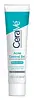
This acne treatment is formulated around Salicylic Acid and Glycolic Acid to clear breakouts and refine skin texture.
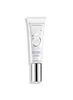
This acne treatment is formulated around Salicylic Acid and Retinol to clear breakouts and refine skin texture.

What's inside
What's inside
 Key Ingredients
Benefits
Concerns
Ingredients Side-by-side
Salicylic Acid 2%
Masking










Water
Skin ConditioningGlycerin
Humectant


Sodium Hydroxide
BufferingGlycolic Acid
Buffering



Lactic Acid
Buffering
Niacinamide
Smoothing


Ceramide NP
Skin Conditioning
Ceramide AP
Skin Conditioning
Ceramide EOP
Skin Conditioning
Carbomer
Emulsion StabilisingCetearyl Alcohol
Emollient




Behentrimonium Methosulfate
SurfactantTriethyl Citrate
Masking

Sodium Hyaluronate
Humectant
Sodium Lauroyl Lactylate
EmulsifyingCholesterol
Emollient
Chlorphenesin
Antimicrobial
Disodium EDTA
ChelatingHydroxypropyl Guar
Emulsion StabilisingCaprylyl Glycol
Emollient
Xanthan Gum
EmulsifyingPhytosphingosine
Skin Conditioning
Benzoic Acid
Masking
Salicylic Acid 2%, Water, Glycerin, Sodium Hydroxide, Glycolic Acid, Lactic Acid, Niacinamide, Ceramide NP, Ceramide AP, Ceramide EOP, Carbomer, Cetearyl Alcohol, Behentrimonium Methosulfate, Triethyl Citrate, Sodium Hyaluronate, Sodium Lauroyl Lactylate, Cholesterol, Chlorphenesin, Disodium EDTA, Hydroxypropyl Guar, Caprylyl Glycol, Xanthan Gum, Phytosphingosine, Benzoic Acid
Salicylic Acid 2%
Masking
Water
Skin ConditioningCocamidopropyl Dimethylamine
Emulsifying
Glycerin
Humectant
Sclerotium Gum
Emulsion StabilisingDimethicone
Emollient
Silica
Abrasive
Cetyl Glyceryl Ether
EmollientRetinol
Skin Conditioning
Cetyl Alcohol
Emollient
Cetyl Tranexamate Mesylate
Carthamus Tinctorius Seed Oil
Masking
Olea Europaea Fruit Oil
Masking
Rosa Canina Fruit Extract
Astringent
Leontopodium Alpinum Meristem Cell Culture
Skin ConditioningMarrubium Vulgare Meristem Cell Culture
Skin ProtectingLecithin
Emollient
Propanediol
Solvent
Potassium Azeloyl Diglycinate
Skin Conditioning
BHT
Antioxidant
Pentaerythrityl Tetra-Di-T-Butyl Hydroxyhydrocinnamate
Antioxidant
Sodium Bisulfite
Antioxidant
Sodium Metabisulfite
Antioxidant
Sodium Sulfite
Preservative
Sodium Sulfate
Polysorbate 20
Emulsifying
Sorbitan Oleate
Emulsifying
Acrylamide/Sodium Acryloyldimethyltaurate Copolymer
Emulsion StabilisingBakuchiol
Antimicrobial
Butylene Glycol
Humectant
Isohexadecane
EmollientAminomethyl Propanol
BufferingCaprylhydroxamic Acid
ChelatingDisodium EDTA
ChelatingPolysorbate 80
Emulsifying
Phenoxyethanol
Preservative
Ethylhexylglycerin
Skin ConditioningCaprylyl Glycol
Emollient
Chlorphenesin
Antimicrobial
Salicylic Acid 2%, Water, Cocamidopropyl Dimethylamine, Glycerin, Sclerotium Gum, Dimethicone, Silica, Cetyl Glyceryl Ether, Retinol, Cetyl Alcohol, Cetyl Tranexamate Mesylate, Carthamus Tinctorius Seed Oil, Olea Europaea Fruit Oil, Rosa Canina Fruit Extract, Leontopodium Alpinum Meristem Cell Culture, Marrubium Vulgare Meristem Cell Culture, Lecithin, Propanediol, Potassium Azeloyl Diglycinate, BHT, Pentaerythrityl Tetra-Di-T-Butyl Hydroxyhydrocinnamate, Sodium Bisulfite, Sodium Metabisulfite, Sodium Sulfite, Sodium Sulfate, Polysorbate 20, Sorbitan Oleate, Acrylamide/Sodium Acryloyldimethyltaurate Copolymer, Bakuchiol, Butylene Glycol, Isohexadecane, Aminomethyl Propanol, Caprylhydroxamic Acid, Disodium EDTA, Polysorbate 80, Phenoxyethanol, Ethylhexylglycerin, Caprylyl Glycol, Chlorphenesin
Reviews
Ingredients Explained
These ingredients are found in both products.
Ingredients higher up in an ingredient list are typically present in a larger amount.
Caprylyl Glycol is a humectant, skin conditioner, emollient, and preservative booster derived from either caprylic acid or synthetically created.
Typical use levels vary from 0.3-1% as a preservative booster and go up to 2% to condition skin.
Because it is not a free-fatty acid, this ingredient is fungal acne safe (there's nothing for Malassezia to feed on).
Learn more about Caprylyl GlycolChlorphenesin is a synthetic preservative. It helps protect a product against bacteria in order to extend shelf life. In most cases, Chlorphenesin is paired with other preservatives such as phenoxyethanol and caprylyl glycol.
Chlorphenesin is a biocide. This means it is able to help fight the microorganisms on our skin. It is also able to fight odor-releasing bacteria.
Chlorphenesin is soluble in both water and glycerin.
Studies show Chlorphenesin is easily absorbed by our skin. You should speak with a skincare professional if you have concerns about using Chlorphenesin.
Learn more about ChlorphenesinDisodium EDTA is a chelating agent. It grabs onto and deactivates metal ions that sneak into your products from water, packaging, or air.
This ingredient mainly works behind the scenes and helps with:
On top of that, this ingredient can counteract the effects of hard water by binding to the minerals in it.
One thing worth knowing is that Disodium EDTA has been shown to be a mild penetration enhancer. It can help other ingredients absorb into skin more effectively which can be a double-edged sword (great for actives, but can also make the active too strong if you have sensitive skin).
Clinical patch testing showed no significant skin irritation at typical use concentrations and minimal dermal absorption.
You'll most likely see this ingredient near the end of an ingredient list. It's typically found in concentrations less than 1%.
Learn more about Disodium EDTAGlycerin (or glycerol) is a compound naturally found in your skin. It's a powerhouse humectant that pulls water into the stratum corneum.
Topically, glycerin does several things at once:
Your skin makes glycerin on its own (mostly from sebaceous oil breakdown) and shuttles it to your outermost layer of skin, or your epidermis, via aquaporin-3.
Aquaporin-3 is a transporter that is essential for normal skin hydration, elasticity, and repair. Interestingly, mice lacking in AQP3 have dry and less elastic skin that can be fully corrected with glycerin.
This ingredient is non-irritating, plays well with almost every ingredient, and works across all skin types. Typical use is anywhere between 3-10% but can go up to 79% in some leave-on products.
Just know very high concentrations (>40%) can feel tacky in low humidity.
Glycerin is the name for this ingredient in American English. British English uses Glycerol/Glycerine.
Learn more about GlycerinSalicylic Acid (also known as beta hydroxy acid or BHA) is a well-known ingredient for treating skin that struggles with acne and clogged pores. It exfoliates both the skin's surface and deep within the pores to help clear out buildup, control oil, and reduce inflammation.
Unlike AHAs (alpha hydroxy acids), salicylic acid is oil-soluble. This allows it to penetrate into pores which makes it especially effective for treating blackheads and preventing future breakouts.
Salicylic acid is also known for its soothing properties. It has a similar structure to aspirin and can calm inflamed or irritated skin, making it a good option for acne-prone skin that is also sensitive.
Concentrations of 0.5-2% are recognized by the U.S. FDA as an over-the-counter topical acne product.
It can cause irritation and/or dryness if one's skin already has a compromised moisture barrier, so it's best to focus on repairing that before introducing this ingredient into your routine.
While salicylic acid does not increase sun sensitivity, it’s still important to wear sunscreen daily to protect your skin.
If you are looking for the ingredient called BHA or Butylated Hydroxyanisole, click here.
Learn more about Salicylic AcidWater. It's the most common cosmetic ingredient of all. You'll usually see it at the top of ingredient lists, meaning that it makes up the largest part of the product.
So why is it so popular? Water most often acts as a solvent - this means that it helps dissolve other ingredients into the formulation.
You'll also recognize water as that liquid we all need to stay alive. If you see this, drink a glass of water. Remember to stay hydrated!
Learn more about Water

