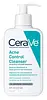
This salicylic acid gel cleanser is formulated around Salicylic Acid to clear breakouts and unclog pores.
This mild gel cleanser is made to cleanse without leaving your skin tight or dry.


What's inside
What's inside
 Key Ingredients
Benefits
Concerns
Ingredients Side-by-side
Salicylic Acid 2%
Masking










Water
Skin ConditioningSodium Lauroyl Sarcosinate
CleansingCocamidopropyl Hydroxysultaine
Cleansing
Glycerin
Humectant


Niacinamide
Smoothing




Gluconolactone
Skin Conditioning
Sodium Methyl Cocoyl Taurate
Cleansing
PEG-150 Pentaerythrityl Tetrastearate
Emulsifying
Ceramide NP
Skin Conditioning
Ceramide AP
Skin Conditioning
Ceramide EOP
Skin Conditioning
Carbomer
Emulsion StabilisingCalcium Gluconate
HumectantTriethyl Citrate
Masking

Sodium Benzoate
Masking
Sodium Hydroxide
BufferingSodium Lauroyl Lactylate
EmulsifyingCholesterol
Emollient
Tetrasodium EDTA
Caprylyl Glycol
Emollient
Hydrolyzed Hyaluronic Acid
Humectant
Trisodium Ethylenediamine Disuccinate
Xanthan Gum
EmulsifyingHectorite
AbsorbentPhytosphingosine
Skin Conditioning
Benzoic Acid
Masking
Salicylic Acid 2%, Water, Sodium Lauroyl Sarcosinate, Cocamidopropyl Hydroxysultaine, Glycerin, Niacinamide, Gluconolactone, Sodium Methyl Cocoyl Taurate, PEG-150 Pentaerythrityl Tetrastearate, Ceramide NP, Ceramide AP, Ceramide EOP, Carbomer, Calcium Gluconate, Triethyl Citrate, Sodium Benzoate, Sodium Hydroxide, Sodium Lauroyl Lactylate, Cholesterol, Tetrasodium EDTA, Caprylyl Glycol, Hydrolyzed Hyaluronic Acid, Trisodium Ethylenediamine Disuccinate, Xanthan Gum, Hectorite, Phytosphingosine, Benzoic Acid
Water
Skin ConditioningSodium Cocoyl Isethionate
Cleansing
Glycerin
Humectant
Sodium Methyl Cocoyl Taurate
Cleansing
Coco-Betaine
Cleansing
Potassium Cocoyl Glycinate
Surfactant
Potassium Benzoate
Preservative
Sodium Chloride
MaskingPolyquaternium-67
Potassium Cocoate
Emulsifying
Citric Acid
Buffering
Fructooligosaccharides
Humectant
Saccharide Hydrolysate
HumectantDisodium EDTA
Pullulan
1,2-Hexanediol
Skin Conditioning
Allantoin
Skin Conditioning
Panthenol
Skin Conditioning
Sea Water
HumectantSodium Acetate
BufferingButylene Glycol
Humectant
Chamomilla Recutita Flower Oil
Masking
Caprylic/Capric Triglyceride
Masking
Beta-Glucan
Skin Conditioning
Phosphatidylcholine
EmulsifyingHyaluronic Acid
Humectant
Ethylhexylglycerin
Skin ConditioningCeramide NP
Skin Conditioning
Glycine
Buffering
Hydrolyzed Hyaluronic Acid
Humectant
Glutamic Acid
Humectant
Serine
Masking
Sodium Hyaluronate
Humectant
Lysine
Skin ConditioningAlanine
Masking
Arginine
Masking
Threonine
Proline
Skin Conditioning
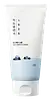
Water, Sodium Cocoyl Isethionate, Glycerin, Sodium Methyl Cocoyl Taurate, Coco-Betaine, Potassium Cocoyl Glycinate, Potassium Benzoate, Sodium Chloride, Polyquaternium-67, Potassium Cocoate, Citric Acid, Fructooligosaccharides, Saccharide Hydrolysate, Disodium EDTA, Pullulan, 1,2-Hexanediol, Allantoin, Panthenol, Sea Water, Sodium Acetate, Butylene Glycol, Chamomilla Recutita Flower Oil, Caprylic/Capric Triglyceride, Beta-Glucan, Phosphatidylcholine, Hyaluronic Acid, Ethylhexylglycerin, Ceramide NP, Glycine, Hydrolyzed Hyaluronic Acid, Glutamic Acid, Serine, Sodium Hyaluronate, Lysine, Alanine, Arginine, Threonine, Proline
Reviews
Ingredients Explained
These ingredients are found in both products.
Ingredients higher up in an ingredient list are typically present in a larger amount.
Ceramide NP (formerly known as Ceramide 3) is one of the skin's naturally occurring lipids.
Since ceramides are the major lipid components of the skin, they are crucial for maintaining skin barrier and hydration. Ceramide NP most closely mirrors the dominant kind in human skin amongst ceramide subtypes.
This ceramide works by slotting into gaps within the stratum corneum's lipid matrix to limit trans-epidermal water loss (TEWL) and shield the skin against external irritants.
A study with 312 patients found that using a ceramide-containing routine for 4 weeks reduced the severity of atopic dermatitis by over 61%.
Another clinical study in subjects aged 60 and older found that a ceramide body wash and moisturizer improved skin dryness and itchy skin in 15 days.
Overall, ceramides are considered non-irritating and safety tests have found little to no observable adverse effects from using this ingredient.
Ceramide NP is usually sourced from plants (like soybean or rice bran), or produced synthetically.
Learn more about Ceramide NPGlycerin (or glycerol) is a compound naturally found in your skin. It's a powerhouse humectant that pulls water into the stratum corneum.
Topically, glycerin does several things at once:
Your skin makes glycerin on its own (mostly from sebaceous oil breakdown) and shuttles it to your outermost layer of skin, or your epidermis, via aquaporin-3.
Aquaporin-3 is a transporter that is essential for normal skin hydration, elasticity, and repair. Interestingly, mice lacking in AQP3 have dry and less elastic skin that can be fully corrected with glycerin.
This ingredient is non-irritating, plays well with almost every ingredient, and works across all skin types. Typical use is anywhere between 3-10% but can go up to 79% in some leave-on products.
Just know very high concentrations (>40%) can feel tacky in low humidity.
Glycerin is the name for this ingredient in American English. British English uses Glycerol/Glycerine.
Learn more about GlycerinHydrolyzed Hyaluronic Acid is hyaluronic acid (HA) that is broken down into lower molecular weight fragments.
It's a humectant that pulls and holds water in the skin to help with hydration, plumpness, and reduce transepidermal water loss.
Because hydrolyzed hyaluronic acid is smaller in size, it can slip past your outermost layer of skin more easily than full-sized HA.
Most formulations will combine all sizes to get the best of both worlds.
Typical usage levels range from 0.01-1%. Any percentage higher than 2% might become goopy and tacky.
Learn more about Hydrolyzed Hyaluronic AcidSodium Methyl Cocoyl Taurate is a gentle, coconut-derived cleansing surfactant. It's most commonly found in "sulfate-free" cleansers.
As a taurate, it belongs to a class of anionic surfactants prized for being efficient at cleansing without harshness, good performance in hard water, stability across a wide pH range, and easily biodegradable.
It is able to lift away oil and grime and make a nice lather without stripping your skin, so it's a good pick for sensitive skin.
Safety-wise, it has a good record. The CIR Expert Panel has concluded this ingredient to be safe in cosmetics and concentrations go up to 11% in leave-on products or 13% in rinse-off products.
Despite being derived from coconut oil, this ingredient is fungal acne safe. It's a water-soluble surfactant with no fatty oils or esters left intact on skin for the Malassezia yeast to feed.
Learn more about Sodium Methyl Cocoyl TaurateWater. It's the most common cosmetic ingredient of all. You'll usually see it at the top of ingredient lists, meaning that it makes up the largest part of the product.
So why is it so popular? Water most often acts as a solvent - this means that it helps dissolve other ingredients into the formulation.
You'll also recognize water as that liquid we all need to stay alive. If you see this, drink a glass of water. Remember to stay hydrated!
Learn more about Water

