Caliray Socal Superbloom Lip + Cheek Tint Soft Stain Blush Versus Purlisse Blush Glow BB Cheek + Lip

What's inside
What's inside
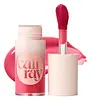 Key Ingredients
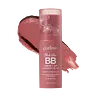
Benefits
Concerns
Ingredients Side-by-side
Water
Skin ConditioningDiphenyl Dimethicone
Emollient
Diisostearyl Malate
EmollientBis-Diglyceryl Polyacyladipate-2
Emollient


Octyldodecanol
Emollient
Hydrogenated Polyisobutene
EmollientBis-Behenyl/Isostearyl/Phytosteryl Dimer Dilinoleyl Dimer Dilinoleate
EmollientDiglycerin
Humectant
Dipropylene Glycol
HumectantCetyl PEG/PPG-10/1 Dimethicone
Emulsifying
Sorbitan Isostearate
Emulsifying
Polysorbate 60
Emulsifying
Pentylene Glycol
Skin Conditioning
Hydroxyethyl Acrylate/Sodium Acryloyldimethyl Taurate Copolymer
Emulsion StabilisingCeteareth-20
Cleansing

Glycerin
Humectant
Squalane
Emollient
Phenoxyethanol
Preservative
Benzyl Benzoate
Antimicrobial



Ethylhexylglycerin
Skin ConditioningParfum
Masking
Benzyl Alcohol
Perfuming
Niacinamide
Smoothing








Pentaerythrityl Tetra-Di-T-Butyl Hydroxyhydrocinnamate
Antioxidant
Butylene Glycol
Humectant
1,2-Hexanediol
Skin Conditioning
Sodium Hyaluronate
Humectant
CI 77891
Cosmetic ColorantCI 15985
Cosmetic ColorantCI 45410
Cosmetic ColorantCI 42090
Cosmetic ColorantCI 19140
Cosmetic ColorantCI 17200
Cosmetic ColorantWater, Diphenyl Dimethicone, Diisostearyl Malate, Bis-Diglyceryl Polyacyladipate-2, Octyldodecanol, Hydrogenated Polyisobutene, Bis-Behenyl/Isostearyl/Phytosteryl Dimer Dilinoleyl Dimer Dilinoleate, Diglycerin, Dipropylene Glycol, Cetyl PEG/PPG-10/1 Dimethicone, Sorbitan Isostearate, Polysorbate 60, Pentylene Glycol, Hydroxyethyl Acrylate/Sodium Acryloyldimethyl Taurate Copolymer, Ceteareth-20, Glycerin, Squalane, Phenoxyethanol, Benzyl Benzoate, Ethylhexylglycerin, Parfum, Benzyl Alcohol, Niacinamide, Pentaerythrityl Tetra-Di-T-Butyl Hydroxyhydrocinnamate, Butylene Glycol, 1,2-Hexanediol, Sodium Hyaluronate, CI 77891, CI 15985, CI 45410, CI 42090, CI 19140, CI 17200
Octyldodecanol
Emollient
Bis-Diglyceryl Polyacyladipate-2
Emollient
Diisostearyl Malate
EmollientHydrogenated Polyisobutene
EmollientSynthetic Wax
Abrasive

Polyglyceryl-2 Triisostearate
Emulsifying
Synthetic Beeswax
Emulsion Stabilising
Synthetic Fluorphlogopite
Vinyl Dimethicone/Methicone Silsesquioxane Crosspolymer
Microcrystalline Wax
Emulsion StabilisingSorbitan Isostearate
Emulsifying
Caprylyl Glycol
Emollient
Glyceryl Caprylate
EmollientPropylene Glycol Dicaprylate/Dicaprate
EmollientWater
Skin ConditioningTocopheryl Acetate
Antioxidant
Butylene Glycol
Humectant
1,2-Hexanediol
Skin Conditioning
Sodium Hyaluronate
Humectant
Schisandra Chinensis Fruit Extract
Skin Conditioning
Lycium Chinense Fruit Extract
Antioxidant
Bacillus Ferment
Skin Conditioning
Cornus Officinalis Fruit Extract
Skin ConditioningCrataegus Oxyacantha Fruit Extract
Skin ConditioningGardenia Jasminoides Fruit Extract
Cosmetic ColorantHydroxypropyltrimonium Hyaluronate
Hydrolyzed Hyaluronic Acid
Humectant
Sodium Acetylated Hyaluronate
Humectant
Hyaluronic Acid
Humectant
Hydrolyzed Sodium Hyaluronate
Skin Conditioning
Sodium Hyaluronate Crosspolymer
Humectant
Potassium Hyaluronate
Skin ConditioningCI 77891
Cosmetic ColorantCI 15850
Cosmetic ColorantCI 77491
Cosmetic ColorantCI 42090
Cosmetic ColorantOctyldodecanol, Bis-Diglyceryl Polyacyladipate-2, Diisostearyl Malate, Hydrogenated Polyisobutene, Synthetic Wax, Polyglyceryl-2 Triisostearate, Synthetic Beeswax, Synthetic Fluorphlogopite, Vinyl Dimethicone/Methicone Silsesquioxane Crosspolymer, Microcrystalline Wax, Sorbitan Isostearate, Caprylyl Glycol, Glyceryl Caprylate, Propylene Glycol Dicaprylate/Dicaprate, Water, Tocopheryl Acetate, Butylene Glycol, 1,2-Hexanediol, Sodium Hyaluronate, Schisandra Chinensis Fruit Extract, Lycium Chinense Fruit Extract, Bacillus Ferment, Cornus Officinalis Fruit Extract, Crataegus Oxyacantha Fruit Extract, Gardenia Jasminoides Fruit Extract, Hydroxypropyltrimonium Hyaluronate, Hydrolyzed Hyaluronic Acid, Sodium Acetylated Hyaluronate, Hyaluronic Acid, Hydrolyzed Sodium Hyaluronate, Sodium Hyaluronate Crosspolymer, Potassium Hyaluronate, CI 77891, CI 15850, CI 77491, CI 42090
Reviews
Ingredients Explained
These ingredients are found in both products.
Ingredients higher up in an ingredient list are typically present in a larger amount.
1,2-Hexanediol is a synthetic liquid and another multi-functional powerhouse.
It is a:
- Humectant, drawing moisture into the skin
- Emollient, helping to soften skin
- Solvent, dispersing and stabilizing formulas
- Preservative booster, enhancing the antimicrobial activity of other preservatives
Bis-Diglyceryl Polyacyladipate-2 is a synthetic emollient that works as a lanolin substitute.
This ingredient is a great vegan option for those avoiding animal-derived ingredients.
It mostly stays on the surface of skin where it helps hydrate due to its large molecular size and low water solubility.
Due to it being derived from fatty acids, this ingredient may not be Malassezia or fungal acne safe.
Learn more about Bis-Diglyceryl Polyacyladipate-2Butylene Glycol (or BG) is used within cosmetic products for a few different reasons:
Overall, Butylene Glycol is a safe and well-rounded ingredient that works well with other ingredients.
Though this ingredient works well with most skin types, some people with sensitive skin may experience a reaction such as allergic rashes, closed comedones, or itchiness.
Learn more about Butylene GlycolCi 42090 is a synthetic dye created from petroleum. It is used to give a bright blue color to cosmetics, medicine, and food.
Ci 77891 is a white pigment from Titanium dioxide. It is naturally found in minerals such as rutile and ilmenite.
It's main function is to add a white color to cosmetics. It can also be mixed with other colors to create different shades.
Ci 77891 is commonly found in sunscreens due to its ability to block UV rays.
Learn more about CI 77891Diisostearyl Malate is an emollient and most often used in lip products. It comes from isostearyl alcohol, a fatty acid, and malic acid, an AHA.
As an emollient, Diisostearyl Malate helps create a thin film on your skin to trap moisture in. This helps keep your skin soft and smooth.
Hydrogenated Polyisobutene is a synthetic polymer. Polymers are compounds with high molecular weight. Hydrogenated Polyisobutene is an emollient and texture enhancer.
In one study, Hydrogenated Polyisobutene showed better skin hydration levels than Caprylic/Capric Triglyceride. As an emollient, it helps keep your skin soft and hydrated by trapping moisture in.
Hydrogenated Polyisobutene is often used as a mineral oil replacement.
Learn more about Hydrogenated PolyisobuteneOctyldodecanol is a fatty alcohol sourced from plant oils like coconut or palm (or made synthetically).
It is:
You'll likely see this in many BHA products because this is the go-to solvent for salicylic acid.
This ingredient is typically used at levels between 2-20%.
Regarding fungal acne:
In 2019, this ingredient was tested against multiple Malassezia species (the yeast that causes fungal acne) and showed no growth.
Sodium Hyaluronate is the salt form of hyaluronic acid. It is a long sugar chain that is naturally found in your skin, joints, and connective tissue that maintains hydration and elasticity.
In skincare, it works as a humectant. It pulls water from the environment and deeper layers of skin and binds it to the surface.
Interestingly, the size of the molecule affects its behavior:
Some clinical evidence links low molecular weight versions to improved wrinkle depth, elasticity, anti-inflammatory effects, and barrier repair.
Many serums use a blend of both weights so you can get surface hydration plus longer-lasting and deeper effects.
You'll typically see concentrations between 0.1-2% for this ingredient.
Learn more about Sodium HyaluronateSorbitan Isostearate is an emulsifer. It is created from isostearic acid and sorbitol.
As an emulsifier, it keeps the water and oil ingredients from separating. This keeps formulas stable and smooth.
In a 24 hour occlusive patch test on 56 subjects, 10% sorbitan isostearate was completely non-irritating. Most formulas use less than 10%.
Because it's a fatty acid ester, it may not be fungal acne safe since the Malassezia yeast can utilize it as a nutrient source.
Learn more about Sorbitan IsostearateWater. It's the most common cosmetic ingredient of all. You'll usually see it at the top of ingredient lists, meaning that it makes up the largest part of the product.
So why is it so popular? Water most often acts as a solvent - this means that it helps dissolve other ingredients into the formulation.
You'll also recognize water as that liquid we all need to stay alive. If you see this, drink a glass of water. Remember to stay hydrated!
Learn more about Water

