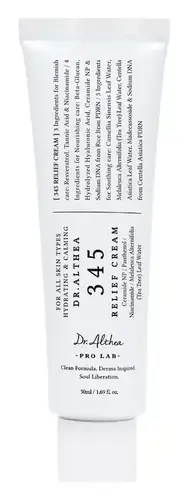
This acne moisturizer is formulated around Salicylic Acid and Salix Alba Bark Extract to clear breakouts and balance excess oil.
This brightening moisturizer is formulated around Niacinamide and Squalane to brighten dull-looking skin and fade the look of dark spots.


What's inside
What's inside
 Key Ingredients
Benefits
Concerns
Ingredients Side-by-side
Water
Skin ConditioningGlycerin
Humectant


Dimethicone
Emollient
Octyldodecanol
Emollient
Phenoxyethanol
Preservative
Polyacrylamide
Acrylates/C10-30 Alkyl Acrylate Crosspolymer
Emulsion StabilisingC13-14 Isoparaffin
Emollient
Silica
Abrasive


Cetearyl Olivate


Sorbitan Olivate
Emulsifying
Sodium Hydroxide
BufferingPotassium Hydroxide
BufferingDimethicone/Vinyl Dimethicone Crosspolymer
Skin Conditioning
Laureth-7
EmulsifyingSalicylic Acid
Masking






Ethylhexylglycerin
Skin ConditioningParfum
Masking

Disodium EDTA
ChelatingGlycyrrhiza Uralensis Root Extract
Skin Conditioning

Schisandra Chinensis Fruit Extract
Skin Conditioning
Paeonia Lactiflora Root Extract
Skin Conditioning1,2-Hexanediol
Skin Conditioning
Hippophae Rhamnoides Fruit Extract
Skin Conditioning
Salix Alba Bark Extract
Astringent
Water, Glycerin, Dimethicone, Octyldodecanol, Phenoxyethanol, Polyacrylamide, Acrylates/C10-30 Alkyl Acrylate Crosspolymer, C13-14 Isoparaffin, Silica, Cetearyl Olivate, Sorbitan Olivate, Sodium Hydroxide, Potassium Hydroxide, Dimethicone/Vinyl Dimethicone Crosspolymer, Laureth-7, Salicylic Acid, Ethylhexylglycerin, Parfum, Disodium EDTA, Glycyrrhiza Uralensis Root Extract, Schisandra Chinensis Fruit Extract, Paeonia Lactiflora Root Extract, 1,2-Hexanediol, Hippophae Rhamnoides Fruit Extract, Salix Alba Bark Extract
Water
Skin ConditioningNiacinamide
Smoothing

Butylene Glycol
Humectant
Glycerin
Humectant
Methyl Trimethicone
Skin Conditioning
Squalane
Emollient
Cetearyl Alcohol
Emollient

1,2-Hexanediol
Skin Conditioning
Phenyl Trimethicone
Skin Conditioning
Ammonium Acryloyldimethyltaurate/Vp Copolymer
Hydroxyacetophenone
Antioxidant
Caprylyl Methicone
Skin Conditioning
Octyldodecanol
Emollient
Arachidyl Alcohol
Emollient
Carbomer
Emulsion StabilisingArginine
Masking
Behenyl Alcohol
Emollient
Saccharide Isomerate
Humectant
Citrus Aurantium Bergamia Fruit Oil
Masking

Acrylates/C10-30 Alkyl Acrylate Crosspolymer
Emulsion StabilisingXanthan Gum
EmulsifyingPotassium Cetyl Phosphate
EmulsifyingArachidyl Glucoside
EmulsifyingCyclodextrin
AbsorbentCeramide NP
Skin Conditioning
Ubiquinone
Antioxidant
Undecylenoyl Phenylalanine
Skin Conditioning
Paeonia Albiflora Root Extract
Skin ConditioningBrassica Campestris Seed Oil
Skin Conditioning
Glycyrrhiza Glabra Root Extract
Bleaching
Polyglyceryl-3 Diisostearate
Emulsifying
Glucose
Humectant
Citric Acid
Buffering
Sodium Citrate
BufferingAlthaea Officinalis Root Extract
Skin Conditioning
Oryza Sativa Bran Extract
Skin Conditioning
Water, Niacinamide, Butylene Glycol, Glycerin, Methyl Trimethicone, Squalane, Cetearyl Alcohol, 1,2-Hexanediol, Phenyl Trimethicone, Ammonium Acryloyldimethyltaurate/Vp Copolymer, Hydroxyacetophenone, Caprylyl Methicone, Octyldodecanol, Arachidyl Alcohol, Carbomer, Arginine, Behenyl Alcohol, Saccharide Isomerate, Citrus Aurantium Bergamia Fruit Oil, Acrylates/C10-30 Alkyl Acrylate Crosspolymer, Xanthan Gum, Potassium Cetyl Phosphate, Arachidyl Glucoside, Cyclodextrin, Ceramide NP, Ubiquinone, Undecylenoyl Phenylalanine, Paeonia Albiflora Root Extract, Brassica Campestris Seed Oil, Glycyrrhiza Glabra Root Extract, Polyglyceryl-3 Diisostearate, Glucose, Citric Acid, Sodium Citrate, Althaea Officinalis Root Extract, Oryza Sativa Bran Extract
Ingredients Explained
These ingredients are found in both products.
Ingredients higher up in an ingredient list are typically present in a larger amount.
1,2-Hexanediol is a synthetic liquid and another multi-functional powerhouse.
It is a:
- Humectant, drawing moisture into the skin
- Emollient, helping to soften skin
- Solvent, dispersing and stabilizing formulas
- Preservative booster, enhancing the antimicrobial activity of other preservatives
Acrylates/C10-30 Alkyl Acrylate Crosspolymer is a synthetic polymer. It is used to thicken, emulsify, and improve the texture of products.
As an emulsifier, it helps stabilize oil-in-water emulsions to give products an elegant feel when applied.
It can also form a thin protective film on skin. One study found that a formula using this polymer helped slow down how quickly other ingredients (like DEET) were absorbed through skin.
A 2024 study of over 1,300 patients confirmed that sensitization to this ingredient is rare. It is also non-mutagenic and has a clean track record.
Learn more about Acrylates/C10-30 Alkyl Acrylate CrosspolymerGlycerin (or glycerol) is a compound naturally found in your skin. It's a powerhouse humectant that pulls water into the stratum corneum.
Topically, glycerin does several things at once:
Your skin makes glycerin on its own (mostly from sebaceous oil breakdown) and shuttles it to your outermost layer of skin, or your epidermis, via aquaporin-3.
Aquaporin-3 is a transporter that is essential for normal skin hydration, elasticity, and repair. Interestingly, mice lacking in AQP3 have dry and less elastic skin that can be fully corrected with glycerin.
This ingredient is non-irritating, plays well with almost every ingredient, and works across all skin types. Typical use is anywhere between 3-10% but can go up to 79% in some leave-on products.
Just know very high concentrations (>40%) can feel tacky in low humidity.
Glycerin is the name for this ingredient in American English. British English uses Glycerol/Glycerine.
Learn more about GlycerinOctyldodecanol is a fatty alcohol sourced from plant oils like coconut or palm (or made synthetically).
It is:
You'll likely see this in many BHA products because this is the go-to solvent for salicylic acid.
This ingredient is typically used at levels between 2-20%.
Regarding fungal acne:
In 2019, this ingredient was tested against multiple Malassezia species (the yeast that causes fungal acne) and showed no growth.
Water. It's the most common cosmetic ingredient of all. You'll usually see it at the top of ingredient lists, meaning that it makes up the largest part of the product.
So why is it so popular? Water most often acts as a solvent - this means that it helps dissolve other ingredients into the formulation.
You'll also recognize water as that liquid we all need to stay alive. If you see this, drink a glass of water. Remember to stay hydrated!
Learn more about Water