

What's inside
What's inside
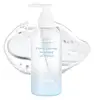 Key Ingredients
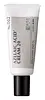
Benefits
Ingredients Side-by-side
Centella Asiatica Extract
Cleansing





Glycerin
Humectant
Propanediol
Solvent
1,2-Hexanediol
Skin Conditioning
Ficus Carica Fruit Extract
Humectant
Opuntia Ficus-Indica Stem Extract
Skin Conditioning
Cucumis Sativus Fruit Extract
Emollient
Ulmus Davidiana Root Extract
Skin Conditioning
Amaranthus Caudatus Seed Extract
Skin Conditioning
Glycyrrhiza Uralensis Root Extract
Skin Conditioning
Camellia Sinensis Leaf Extract
Antimicrobial



Portulaca Oleracea Extract
Skin Conditioning
Houttuynia Cordata Extract
Skin Conditioning
Melia Azadirachta Leaf Extract
Skin ConditioningHydrogenated Lecithin
Emulsifying
Sodium Hyaluronate
Humectant
Sh-Polypeptide-19
Skin Conditioning
Water
Skin ConditioningAcrylates/C10-30 Alkyl Acrylate Crosspolymer
Emulsion StabilisingTromethamine
BufferingSodium Acrylic Acid/Ma Copolymer
Butylene Glycol
Humectant
Betaine
Humectant
Panthenol
Skin Conditioning
Disodium EDTA
Madecassoside
Antioxidant
Allantoin
Skin Conditioning
Sea Water
HumectantCeramide NP
Skin Conditioning
Sodium Phosphate
BufferingOxygen
Skin ConditioningSh-Oligopeptide-1
Skin Conditioning
Sh-Oligopeptide-2
Skin Conditioning
Sh-Polypeptide-1
Skin Conditioning
Caprylyl Glycol
Emollient
Centella Asiatica Extract, Glycerin, Propanediol, 1,2-Hexanediol, Ficus Carica Fruit Extract, Opuntia Ficus-Indica Stem Extract, Cucumis Sativus Fruit Extract, Ulmus Davidiana Root Extract, Amaranthus Caudatus Seed Extract, Glycyrrhiza Uralensis Root Extract, Camellia Sinensis Leaf Extract, Portulaca Oleracea Extract, Houttuynia Cordata Extract, Melia Azadirachta Leaf Extract, Hydrogenated Lecithin, Sodium Hyaluronate, Sh-Polypeptide-19, Water, Acrylates/C10-30 Alkyl Acrylate Crosspolymer, Tromethamine, Sodium Acrylic Acid/Ma Copolymer, Butylene Glycol, Betaine, Panthenol, Disodium EDTA, Madecassoside, Allantoin, Sea Water, Ceramide NP, Sodium Phosphate, Oxygen, Sh-Oligopeptide-1, Sh-Oligopeptide-2, Sh-Polypeptide-1, Caprylyl Glycol
Water
Skin ConditioningAzelaic Acid
Buffering


Butylene Glycol
Humectant
Methylheptyl Laurate
Emollient
Dodecane
Emollient
Pentylene Glycol
Skin Conditioning
Squalane
Emollient
Glyceryl Stearate
Emollient
Behenyl Alcohol
Emollient
Hydrogenated Lecithin
Emulsifying
Glyceryl Behenate
Emollient
Polyglyceryl-6 Octastearate
EmulsifyingDipotassium Glycyrrhizate
Humectant
Sodium Hyaluronate
Humectant
Centella Asiatica Extract
Cleansing
Scutellaria Baicalensis Root Extract
Astringent
Polygonum Cuspidatum Root Extract
Antioxidant
Glycyrrhiza Glabra Root Extract
Bleaching
Camellia Sinensis Leaf Extract
Antimicrobial
Rosmarinus Officinalis Leaf Extract
AntimicrobialChamomilla Recutita Flower Extract
Masking
Hydroxyethylcellulose
Emulsion StabilisingCalcium Sodium Borosilicate
Silver Oxide
AntimicrobialWater, Azelaic Acid, Butylene Glycol, Methylheptyl Laurate, Dodecane, Pentylene Glycol, Squalane, Glyceryl Stearate, Behenyl Alcohol, Hydrogenated Lecithin, Glyceryl Behenate, Polyglyceryl-6 Octastearate, Dipotassium Glycyrrhizate, Sodium Hyaluronate, Centella Asiatica Extract, Scutellaria Baicalensis Root Extract, Polygonum Cuspidatum Root Extract, Glycyrrhiza Glabra Root Extract, Camellia Sinensis Leaf Extract, Rosmarinus Officinalis Leaf Extract, Chamomilla Recutita Flower Extract, Hydroxyethylcellulose, Calcium Sodium Borosilicate, Silver Oxide
Reviews
Ingredients Explained
These ingredients are found in both products.
Ingredients higher up in an ingredient list are typically present in a larger amount.
Butylene Glycol (or BG) is used within cosmetic products for a few different reasons:
Overall, Butylene Glycol is a safe and well-rounded ingredient that works well with other ingredients.
Though this ingredient works well with most skin types, some people with sensitive skin may experience a reaction such as allergic rashes, closed comedones, or itchiness.
Learn more about Butylene GlycolCamellia Sinensis Leaf Extract (tea extract) is one of the most well-researched plant extracts in skincare with an impressive resume.
Black tea, green tea, and oolong tea are all harvested from the Camellia Sinensis plant.
Studies show green tea extract and its catechins (like epigallocatechin gallate (EGCG)) help your skin cells product energy more efficiently and reducing the number of free-radicals that can damage your skin from the inside.
In lab-grown skin models, this translated to younger, healthier, and stronger skin.
There's also good sun protection data; researchers saw less DNA damage and redness on human skin when green tea was applied before UVB exposure. And the more they applied, the better the protection.
Needless to say, this ingredient shouldn't replace your sunscreen. But it is a great supportive ingredient that you can already find in many sunscreens and antioxidant serums.
A 2009 study found a 2% green tea lotion was effective for mild-to-moderate acne thanks to its anti-inflammatory and mild antimicrobial activity.
The quality of the extract matters a lot here:
Good extracts contain 50-90% catechins while lower quality ones are mostly there for marketing. We recommend reaching out to the brand if you have questions about the quality or source of their ingredients.
Human Repeated Insult Patch Testing showed no irritation or sensitization at use concentrations (0.86% in leave-on products and up to 30% as leaf water).
Learn more about Camellia Sinensis Leaf ExtractCentella Asiatica Extract (Centella) is derived from an herb native to Southeast Asia. It is famous for its anti-inflammatory and soothing properties.
Centella is rich in antioxidants and amino acids, such as Madecassic Acid and Asiaticoside.
Studies show the compounds in centella help with:
The combination of all these properties makes centella effective at soothing, hydrating, and protecting the skin.
Other great components of centella include Vitamin A, vitamin C, several B vitamins, and Asiatic Acid.
Fun fact: Centella has been used as a medicine and in food for many centuries. As a medicine, it is used to treat burns, scratches, and wounds.
Learn more about Centella Asiatica ExtractHydrogenated Lecithin is a more stable version of lecithin.
It's made by taking lecithin (a phospholipid commonly found in soybeans and egg yolks) and hydrogenating it. This just means the unsaturated fatty acids are turned into saturated ones so they don't go bad as easily.
This ingredient is an emollient, emulsifier, and penetration enhancer. As an emollient, it helps soften and hydrate skin by trapping moisture within. As an emulsifier, it prevents oil and water ingredients from separating.
Hydrogenated Lecithin can form tiny spherical structures made of phospholipid bilayers called liposomes. These liposomes are able to capture compounds inside their structure and deliver them through the skin barrier.
Because phospholipids are a natural component of our cell membranes, this ingredient is inherently compatible with skin.
A 2021 study found lecithin-based surfactants were less harsh and more tolerable comared to Sodium Lauryl Sulfate (SLS).
Learn more about Hydrogenated LecithinSodium Hyaluronate is the salt form of hyaluronic acid. It is a long sugar chain that is naturally found in your skin, joints, and connective tissue that maintains hydration and elasticity.
In skincare, it works as a humectant. It pulls water from the environment and deeper layers of skin and binds it to the surface.
Interestingly, the size of the molecule affects its behavior:
Some clinical evidence links low molecular weight versions to improved wrinkle depth, elasticity, anti-inflammatory effects, and barrier repair.
Many serums use a blend of both weights so you can get surface hydration plus longer-lasting and deeper effects.
You'll typically see concentrations between 0.1-2% for this ingredient.
Learn more about Sodium HyaluronateWater. It's the most common cosmetic ingredient of all. You'll usually see it at the top of ingredient lists, meaning that it makes up the largest part of the product.
So why is it so popular? Water most often acts as a solvent - this means that it helps dissolve other ingredients into the formulation.
You'll also recognize water as that liquid we all need to stay alive. If you see this, drink a glass of water. Remember to stay hydrated!
Learn more about Water
