

What's inside
What's inside
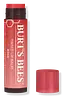 Key Ingredients
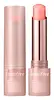
Benefits
Concerns
Ingredients Side-by-side
Cocos Nucifera Oil
Masking






Vegetable Oil
Skin Conditioning
Cera Alba
Emollient
Olea Europaea Fruit Oil
Masking
Euphorbia Cerifera Cera
Astringent
Helianthus Annuus Seed Oil
Emollient
Aroma

Lanolin
Emollient

Butyrospermum Parkii Butter
Skin Conditioning
Ricinus Communis Seed Oil
Masking
Ammonium Glycyrrhizate
MaskingTocopherol
Antioxidant





Rosmarinus Officinalis Leaf Extract
AntimicrobialGlycine Soja Oil
Emollient
Canola Oil
Emollient
CI 77491
Cosmetic ColorantCI 77492
Cosmetic ColorantIron Oxides
CI 77891
Cosmetic ColorantCI 75470
Cosmetic ColorantCocos Nucifera Oil, Vegetable Oil, Cera Alba, Olea Europaea Fruit Oil, Euphorbia Cerifera Cera, Helianthus Annuus Seed Oil, Aroma, Lanolin, Butyrospermum Parkii Butter, Ricinus Communis Seed Oil, Ammonium Glycyrrhizate, Tocopherol, Rosmarinus Officinalis Leaf Extract, Glycine Soja Oil, Canola Oil, CI 77491, CI 77492, Iron Oxides, CI 77891, CI 75470
Polyisobutene
Phytosteryl/Isostearyl/Cetyl/Stearyl/Behenyl Dimer Dilinoleate
Skin Conditioning
Octyldodecyl Neopentanoate
EmollientDiisostearyl Malate
EmollientPentaerythrityl Tetraisostearate
Emollient
Phytosteryl/Octyldodecyl Lauroyl Glutamate
Skin ConditioningPentaerythrityl Tetraethylhexanoate
Emollient
Synthetic Wax
Abrasive
Paraffin
Skin ConditioningMicrocrystalline Wax
Emulsion StabilisingCamellia Japonica Seed Oil
Emollient
Astrocaryum Murumuru Seed Butter
Emollient
Eucalyptus Globulus Leaf Oil
Perfuming


Polyhydroxystearic Acid
Emulsifying
Ethylhexyl Palmitate
Emollient
Lecithin
Emollient
Isostearic Acid
Cleansing
Isopropyl Palmitate
Emollient
Limonene
Perfuming
CI 45380
Cosmetic ColorantPolyglyceryl-3 Polyricinoleate
Emulsifying
Polyglyceryl-2 Triisostearate
Emulsifying
CI 45410
Cosmetic ColorantCI 77891
Cosmetic ColorantCI 15985
Cosmetic ColorantPolyglyceryl-2 Diisostearate
Emulsifying
Glycerin
Humectant
Tocopherol
Antioxidant
Ceramide NP
Skin Conditioning
Phytosphingosine
Skin Conditioning
Hyaluronic Acid
Humectant
Hydrogenated Lecithin
Emulsifying
Polyisobutene, Phytosteryl/Isostearyl/Cetyl/Stearyl/Behenyl Dimer Dilinoleate, Octyldodecyl Neopentanoate, Diisostearyl Malate, Pentaerythrityl Tetraisostearate, Phytosteryl/Octyldodecyl Lauroyl Glutamate, Pentaerythrityl Tetraethylhexanoate, Synthetic Wax, Paraffin, Microcrystalline Wax, Camellia Japonica Seed Oil, Astrocaryum Murumuru Seed Butter, Eucalyptus Globulus Leaf Oil, Polyhydroxystearic Acid, Ethylhexyl Palmitate, Lecithin, Isostearic Acid, Isopropyl Palmitate, Limonene, CI 45380, Polyglyceryl-3 Polyricinoleate, Polyglyceryl-2 Triisostearate, CI 45410, CI 77891, CI 15985, Polyglyceryl-2 Diisostearate, Glycerin, Tocopherol, Ceramide NP, Phytosphingosine, Hyaluronic Acid, Hydrogenated Lecithin
Reviews
Ingredients Explained
These ingredients are found in both products.
Ingredients higher up in an ingredient list are typically present in a larger amount.
Ci 77891 is a white pigment from Titanium dioxide. It is naturally found in minerals such as rutile and ilmenite.
It's main function is to add a white color to cosmetics. It can also be mixed with other colors to create different shades.
Ci 77891 is commonly found in sunscreens due to its ability to block UV rays.
Learn more about CI 77891Tocopherol is a fat-soluble antioxidant known as Vitamin E.
You'll find this ingredient in the vast majority of skincare (for good reason). It works to neutralize free radicals, or unstable molecules generated by UV exposure, pollution, and other environmental stressors, before they can cause oxidative damage to your skin cells.
Topically applied tocopherol has been shown to protect against UV damage by ramping up the skin's own natural defense enzymes.
It also acts as a skin conditioning agent; some studies show that regular topical use can improve the skin's water-binding capacity over 2-4 weeks.
This ingredient is especially loved for being a team player. When combined with Vitamin C, the photoprotective effect of both ingredients roughly doubles and the combo also helps reduce UV-induced DNA damage.
This ingredient has some brightening potential but it's more of a prevention ingredient than spot-fader. Cell studies show it can slow down melanin production but it's worth noting that it's not the most powerful brightener out there.
In formulations, it also serves as a stabilizer that helps protect other oxidation-prone ingredients from degrading.
Concentrations usually range from 0.1-1% in most leave-on products.
Learn more about Tocopherol
