

What's inside
What's inside
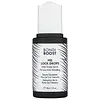 Key Ingredients
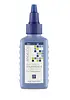
Benefits
Concerns
Ingredients Side-by-side
Water
Skin ConditioningAloe Barbadensis Leaf Juice
Skin Conditioning


Propanediol
Solvent
Glycerin
Humectant
Polysorbate 20
Emulsifying

Butylene Glycol
Humectant
Hydroxyacetophenone
Antioxidant
Caprylyl Glycol
Emollient
Pentylene Glycol
Skin Conditioning
Sodium Benzoate
Masking
Panthenol
Skin Conditioning
Potassium Sorbate
Preservative
Parfum
Masking



Lecithin
Emollient
Sodium Phytate
ChelatingEthylhexylglycerin
Skin ConditioningBenzyl Benzoate
Antimicrobial
PPG-26-Buteth-26
Skin ConditioningPEG-40 Hydrogenated Castor Oil
Emulsifying
Hexamethylindanopyran
Masking
Glycine
Buffering
Larix Europaea Wood Extract
HumectantCitric Acid
Buffering

Sodium Metabisulfite
Antioxidant
1,2-Hexanediol
Skin Conditioning
Acetyl Glutamine
Skin ConditioningChamomilla Recutita Flower Extract
Masking
Equisetum Arvense Extract
AstringentHibiscus Sabdariffa Flower Extract
Skin ConditioningHylocereus Undatus Fruit Extract
Skin ConditioningRosmarinus Officinalis Leaf Extract
AntimicrobialSh-Oligopeptide-1
Skin Conditioning

Sh-Oligopeptide-2
Skin Conditioning
Sh-Polypeptide-1
Skin Conditioning
Sh-Polypeptide-11
Sh-Polypeptide-9
Skin Conditioning
Sodium Hyaluronate
Humectant
Urtica Dioica Leaf Extract
Skin ConditioningBacillus/Folic Acid Ferment Filtrate Extract
Antioxidant
Limonene
Perfuming
Alpha-Isomethyl Ionone
Perfuming
Camellia Sinensis Leaf Extract
Antimicrobial

Zinc Chloride
AntimicrobialApigenin
Antioxidant
Melaleuca Alternifolia Leaf Oil
Antioxidant

Mentha Arvensis Leaf Oil
Masking
Oleanolic Acid
Skin ConditioningBiotinoyl Tripeptide-1
Hexyl Cinnamal
Perfuming
Linalyl Acetate
Masking
Benzyl Alcohol
Perfuming
Water, Aloe Barbadensis Leaf Juice, Propanediol, Glycerin, Polysorbate 20, Butylene Glycol, Hydroxyacetophenone, Caprylyl Glycol, Pentylene Glycol, Sodium Benzoate, Panthenol, Potassium Sorbate, Parfum, Lecithin, Sodium Phytate, Ethylhexylglycerin, Benzyl Benzoate, PPG-26-Buteth-26, PEG-40 Hydrogenated Castor Oil, Hexamethylindanopyran, Glycine, Larix Europaea Wood Extract, Citric Acid, Sodium Metabisulfite, 1,2-Hexanediol, Acetyl Glutamine, Chamomilla Recutita Flower Extract, Equisetum Arvense Extract, Hibiscus Sabdariffa Flower Extract, Hylocereus Undatus Fruit Extract, Rosmarinus Officinalis Leaf Extract, Sh-Oligopeptide-1, Sh-Oligopeptide-2, Sh-Polypeptide-1, Sh-Polypeptide-11, Sh-Polypeptide-9, Sodium Hyaluronate, Urtica Dioica Leaf Extract, Bacillus/Folic Acid Ferment Filtrate Extract, Limonene, Alpha-Isomethyl Ionone, Camellia Sinensis Leaf Extract, Zinc Chloride, Apigenin, Melaleuca Alternifolia Leaf Oil, Mentha Arvensis Leaf Oil, Oleanolic Acid, Biotinoyl Tripeptide-1, Hexyl Cinnamal, Linalyl Acetate, Benzyl Alcohol
Water
Skin ConditioningGlycerin
Humectant
Panthenol
Skin Conditioning
Aloe Barbadensis Leaf Juice
Skin Conditioning
Xanthan Gum
EmulsifyingMalus Domestica Fruit Cell Culture Extract
Skin ConditioningVitis Vinifera Fruit Cell Extract
Skin ConditioningArgania Spinosa Sprout Cell Extract
Skin ConditioningHelianthus Annuus Seed Oil
Emollient
Biotin
AntiseborrhoeicAronia Melanocarpa Fruit Extract
Skin ConditioningCamellia Sinensis Leaf Extract
Antimicrobial
Euterpe Oleracea Fruit Extract
Lycium Barbarum Fruit Extract
Astringent
Achillea Millefolium Flower Extract
Antioxidant
Equisetum Arvense Extract
AstringentGlycyrrhiza Glabra Root Extract
Bleaching
Melissa Officinalis Leaf Extract
Skin ConditioningRosmarinus Officinalis Leaf Extract
AntimicrobialSalvia Officinalis Leaf Extract
CleansingThymus Vulgaris Extract
Perfuming
Hydrolyzed Rice Protein
Skin ConditioningTussilago Farfara Flower Extract
AstringentParfum
Masking
Lecithin
Emollient
Carbomer
Emulsion StabilisingIsomalt
HumectantPolysorbate 20
Emulsifying
Ethylhexylglycerin
Skin ConditioningPhenoxyethanol
Preservative
Sodium Benzoate
Masking
Pogostemon Cablin Leaf Oil
Masking
Juniperus Virginiana Oil
Masking
Cananga Odorata Flower Oil
Masking
Cananga Odorata Flower Extract
Perfuming
Water, Glycerin, Panthenol, Aloe Barbadensis Leaf Juice, Xanthan Gum, Malus Domestica Fruit Cell Culture Extract, Vitis Vinifera Fruit Cell Extract, Argania Spinosa Sprout Cell Extract, Helianthus Annuus Seed Oil, Biotin, Aronia Melanocarpa Fruit Extract, Camellia Sinensis Leaf Extract, Euterpe Oleracea Fruit Extract, Lycium Barbarum Fruit Extract, Achillea Millefolium Flower Extract, Equisetum Arvense Extract, Glycyrrhiza Glabra Root Extract, Melissa Officinalis Leaf Extract, Rosmarinus Officinalis Leaf Extract, Salvia Officinalis Leaf Extract, Thymus Vulgaris Extract, Hydrolyzed Rice Protein, Tussilago Farfara Flower Extract, Parfum, Lecithin, Carbomer, Isomalt, Polysorbate 20, Ethylhexylglycerin, Phenoxyethanol, Sodium Benzoate, Pogostemon Cablin Leaf Oil, Juniperus Virginiana Oil, Cananga Odorata Flower Oil, Cananga Odorata Flower Extract
Ingredients Explained
These ingredients are found in both products.
Ingredients higher up in an ingredient list are typically present in a larger amount.
Aloe Barbadensis Leaf Juice is the filtered, stabilized liquid pressed from the inner gel of the aloe vera leaf.
In cosmetics, it shows up as either soothing active or a water-replacement base. It is roughly 98-99% water and the last 1-2% is an interesting mix of polysaccharides, amino acids, vitamins, minerals, and enzymes.
The polysaccharides do most of the work: they bind water at the skin surface for a light, non-greasy hydration boost. And one of the polysaccharides, glycomannan, is linked to fibroblast stimulation + collagen synthesis. This is also why aloe has such a long track record in wound and burn healing.
This ingredient is also calming with anti-inflammatory and mild antimicrobial activity, making it a great pick for sensitive, irritated, or post-sun skin.
Realistic expectations matter though; the solid evidence is mostly limited to hydration, soothing, and wound support. Deeper claims about anti-aging or sun protection are not well backed, and science reviews note it does not prevent radiation-induced skin injury.
Because it plays well with almost everything, it's commonly used as a base alongside other actives like niacinamide or vitamin C.
Typical usage concentrations range from 0.5% (where hydration benefits already show up) all the way to 90%+ (where it replaces water as the main base).
The safety for this ingredient is well-establish as well. Overall, this is a great supporting ingredient for those who want a boost in hydration.
Learn more about Aloe Barbadensis Leaf JuiceCamellia Sinensis Leaf Extract (tea extract) is one of the most well-researched plant extracts in skincare with an impressive resume.
Black tea, green tea, and oolong tea are all harvested from the Camellia Sinensis plant.
Studies show green tea extract and its catechins (like epigallocatechin gallate (EGCG)) help your skin cells product energy more efficiently and reducing the number of free-radicals that can damage your skin from the inside.
In lab-grown skin models, this translated to younger, healthier, and stronger skin.
There's also good sun protection data; researchers saw less DNA damage and redness on human skin when green tea was applied before UVB exposure. And the more they applied, the better the protection.
Needless to say, this ingredient shouldn't replace your sunscreen. But it is a great supportive ingredient that you can already find in many sunscreens and antioxidant serums.
A 2009 study found a 2% green tea lotion was effective for mild-to-moderate acne thanks to its anti-inflammatory and mild antimicrobial activity.
The quality of the extract matters a lot here:
Good extracts contain 50-90% catechins while lower quality ones are mostly there for marketing. We recommend reaching out to the brand if you have questions about the quality or source of their ingredients.
Human Repeated Insult Patch Testing showed no irritation or sensitization at use concentrations (0.86% in leave-on products and up to 30% as leaf water).
Learn more about Camellia Sinensis Leaf ExtractThis botanical extract is also known as horsetail extract. It mainly acts as an emollient, skin soother, and astringent.
A study from 2023 found compounds in Equisetum Arvense showed significant anti-inflammatory effects in irritated keratinocytes (the main cell in your outermost layer of skin).
Another study using a cream with horsetail and soybean extract found 80% of participants showed at least a 26% improvement in forehead wrinkles after 8 weeks.
Animal research has shown topical Equisetum Arvense stimulated skin and tissue growth in mice.
The research so far is encouraging, but still in its early days. But it's a lovely supporting ingredient and can be a welcome addition to any routine.
Learn more about Equisetum Arvense ExtractEthylhexylglycerin is created from glycerin. It is a multitasker ingredient that:
The CIR Expert Panel found minimal skin absorption or sensitization of any kind in a safety assessment. Though this ingredient is considered well-tolerated, a small number of cases of allergic dermatitis have been published since 2002. Just be sure to patch test if you are unsure.
Industry-reported use ranges from 8% in rinse-off products and 2% in leave-on formulations.
Learn more about EthylhexylglycerinGlycerin (or glycerol) is a compound naturally found in your skin. It's a powerhouse humectant that pulls water into the stratum corneum.
Topically, glycerin does several things at once:
Your skin makes glycerin on its own (mostly from sebaceous oil breakdown) and shuttles it to your outermost layer of skin, or your epidermis, via aquaporin-3.
Aquaporin-3 is a transporter that is essential for normal skin hydration, elasticity, and repair. Interestingly, mice lacking in AQP3 have dry and less elastic skin that can be fully corrected with glycerin.
This ingredient is non-irritating, plays well with almost every ingredient, and works across all skin types. Typical use is anywhere between 3-10% but can go up to 79% in some leave-on products.
Just know very high concentrations (>40%) can feel tacky in low humidity.
Glycerin is the name for this ingredient in American English. British English uses Glycerol/Glycerine.
Learn more about GlycerinLecithin is a term for a group of substances found in the cell membranes of plants, animals, and humans. They are made up of phospholipids.
Thanks to its amphiphilic structure (water-loving head and oil-loving tail), it is a true multitasker:
It plays well with most ingredients and is typically used at 0.1-1%. However, concentrations up to 50% have been reported in moisturizers.
Learn more about LecithinPanthenol is a common ingredient that helps hydrate and soothe the skin. It is found naturally in our skin and hair.
There are two forms of panthenol: D and L.
D-panthenol is also known as dexpanthenol. Most cosmetics use dexpanthenol or a mixture of D and L-panthenol.
Panthenol is famous due to its ability to go deeper into the skin's layers. Using this ingredient has numerous pros (and no cons):
Like hyaluronic acid, panthenol is a humectant. Humectants are able to bind and hold large amounts of water to keep skin hydrated.
This ingredient works well for wound healing. It works by increasing tissue in the wound and helps close open wounds.
Once oxidized, panthenol converts to pantothenic acid. Panthothenic acid is found in all living cells.
This ingredient is also referred to as pro-vitamin B5.
Learn more about PanthenolParfum is a catch-all term for an ingredient or more that is used to give a scent to products.
Also called "fragrance", this ingredient can be a blend of hundreds of chemicals or plant oils. This means every product with "fragrance" or "parfum" in the ingredients list is a different mixture.
For instance, Habanolide is a proprietary trade name for a specific aroma chemical. When used as a fragrance ingredient in cosmetics, most aroma chemicals fall under the broad labeling category of “FRAGRANCE” or “PARFUM” according to EU and US regulations.
The term 'parfum' or 'fragrance' is not regulated in many countries. In many cases, it is up to the brand to define this term.
For instance, many brands choose to label themselves as "fragrance-free" because they are not using synthetic fragrances. However, their products may still contain ingredients such as essential oils that are considered a fragrance by INCI standards.
One example is Calendula flower extract. Calendula is an essential oil that still imparts a scent or 'fragrance'.
Depending on the blend, the ingredients in the mixture can cause allergies and sensitivities on the skin. Some ingredients that are known EU allergens include linalool and citronellol.
Parfum can also be used to mask or cover an unpleasant scent.
The bottom line is: not all fragrances/parfum/ingredients are created equally. If you are worried about fragrances, we recommend taking a closer look at an ingredient. And of course, we always recommend speaking with a professional.
Learn more about ParfumPolysorbate 20 is a gentle, water-soluble emulsifier and mild surfactant. It stops oil and water from separating to keep your formulas blended and stable.
It also acts as a mild penetration enhancer by helping active ingredients absorb slightly better.
The common safety discussion around this ingredient involves a manufacturing byproduct called 1,4-dioxane.
Trace amounts can form during production but the EU's Scientific Committee on Consumer Safety has concluded that levels at/below 10 ppm in finished products are safe (commercial products consistently fall within acceptable margins).
True allergic reactions are uncommon and the CIR Expert Panel has confirmed this ingredient to be safe as used in cosmetics.
Because it is derived from lauric acid, it may not be fungal acne safe.
Learn more about Polysorbate 20This is a botanical extract from the rosemary plant (the same one you cook with). In skincare, it mostly works as a skin conditioning agent.
Its activity comes from a handful of polyphenols, carnosic acid, carnosol, and rosmarinic acid. Almost 90% of the antioxidant activity of this ingredient can be attributed to canosol and carnosic acid.
These compounds protect your skin two ways:
1) They fight off free radicals, or the unstable molecules from things like sun and pollution that age and damage skin.
2) They help calm inflammation by switching off the chemical signals that tell skin to get red and irritated.
Lab studies also suggest that rosmarinic acid may help protect collagen and slow sugar-related damage to it.
The Cosmetic Ingredient Review has concluded rosemary-derived ingredients to be safe when formulated to be non-sensitizing.
Rosemary can occasionally cause allergic contact dermatitis (due to carnosol), so be sure to patch test if you have reactive or fragrance-sensitive skin.
Learn more about Rosmarinus Officinalis Leaf ExtractSodium Benzoate is a preservative. It's used in both cosmetic and food products to inhibit the growth of mold and bacteria. It is typically produced synthetically.
Both the US FDA and EU Health Committee have approved the use of sodium benzoate. In the US, levels of 0.1% (of the total product) are allowed.
Sodium benzoate works as a preservative by inhibiting the growth of bacteria inside of cells. It prevents the cell from fermenting a type of sugar using an enzyme called phosphofructokinase.
It is the salt of benzoic acid. Foods containing sodium benzoate include soda, salad dressings, condiments, fruit juices, wines, and snack foods.
Studies for using ascorbic acid and sodium benzoate in cosmetics are lacking, especially in skincare routines with multiple steps.
We always recommend speaking with a professional, such as a dermatologist, if you have any concerns.
Learn more about Sodium BenzoateWater. It's the most common cosmetic ingredient of all. You'll usually see it at the top of ingredient lists, meaning that it makes up the largest part of the product.
So why is it so popular? Water most often acts as a solvent - this means that it helps dissolve other ingredients into the formulation.
You'll also recognize water as that liquid we all need to stay alive. If you see this, drink a glass of water. Remember to stay hydrated!
Learn more about Water

