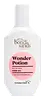
This hydrating oil is formulated around Tocopherol and Hippophae Rhamnoides Fruit Oil to hydrate skin and strengthen the skin barrier.
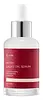
This hydrating serum is formulated around Morinda Citrifolia Fruit Extract and Rosa Canina Fruit Oil to hydrate skin and soften the look of wrinkles.


What's inside
What's inside
 Key Ingredients
No key ingredients
Benefits
Concerns
Ingredients Side-by-side
Caprylic/Capric Triglyceride
Masking


Helianthus Annuus Hybrid Oil
Emollient


Tocopherol
Antioxidant





Glycine Soja Oil
Emollient



Glycerin
Humectant
Water
Skin ConditioningHydrogenated Starch Hydrolysate
HumectantHippophae Rhamnoides Fruit Oil
Skin Protecting
Rosa Canina Fruit Oil
Emollient
Simmondsia Chinensis Seed Oil
Emollient
Propanediol
Solvent
Calendula Officinalis Flower Extract
Masking
Erythritol
Humectant
Lecithin
Emollient
Hibiscus Esculentus Fruit Extract
Skin ConditioningAphanizomenon Flos-Aquae Extract
HumectantSodium Benzoate
Masking
Phenoxyethanol
Preservative
Potassium Sorbate
Preservative
Helianthus Annuus Seed Oil
Emollient
Caprylic/Capric Triglyceride, Helianthus Annuus Hybrid Oil, Tocopherol, Glycine Soja Oil, Glycerin, Water, Hydrogenated Starch Hydrolysate, Hippophae Rhamnoides Fruit Oil, Rosa Canina Fruit Oil, Simmondsia Chinensis Seed Oil, Propanediol, Calendula Officinalis Flower Extract, Erythritol, Lecithin, Hibiscus Esculentus Fruit Extract, Aphanizomenon Flos-Aquae Extract, Sodium Benzoate, Phenoxyethanol, Potassium Sorbate, Helianthus Annuus Seed Oil
Water
Skin ConditioningGlycerin
Humectant
Butylene Glycol
Humectant
Glycereth-26
Humectant
1,2-Hexanediol
Skin Conditioning
Morinda Citrifolia Fruit Extract
Skin Conditioning
Morinda Citrifolia Extract
AstringentRosa Canina Fruit Oil
Emollient
Macadamia Ternifolia Seed Oil
Emollient
Perilla Frutescens Leaf Extract
MaskingCocos Nucifera Oil
Masking
Simmondsia Chinensis Seed Oil
Emollient
Aspalathus Linearis Extract
Skin ConditioningCommiphora Myrrha Resin Extract
Skin ConditioningGlycyrrhiza Glabra Root Extract
Bleaching
Butylene Glycol Dicaprylate/Dicaprate
EmollientHelianthus Annuus Seed Oil
Emollient
Polyglyceryl-4 Caprate
EmulsifyingCanola Oil
Emollient
Olea Europaea Fruit Oil
Masking
Limnanthes Alba Seed Oil
Skin Conditioning
Polyglyceryl-10 Stearate
Skin Conditioning
Xanthan Gum
EmulsifyingArgania Spinosa Kernel Oil
Emollient
Acrylates/C10-30 Alkyl Acrylate Crosspolymer
Emulsion StabilisingArginine
Masking
Adenosine
Skin Conditioning
Dipotassium Glycyrrhizate
Humectant
Allantoin
Skin Conditioning
Trehalose
Humectant
Pentylene Glycol
Skin Conditioning
Ethylhexylglycerin
Skin ConditioningWater, Glycerin, Butylene Glycol, Glycereth-26, 1,2-Hexanediol, Morinda Citrifolia Fruit Extract, Morinda Citrifolia Extract, Rosa Canina Fruit Oil, Macadamia Ternifolia Seed Oil, Perilla Frutescens Leaf Extract, Cocos Nucifera Oil, Simmondsia Chinensis Seed Oil, Aspalathus Linearis Extract, Commiphora Myrrha Resin Extract, Glycyrrhiza Glabra Root Extract, Butylene Glycol Dicaprylate/Dicaprate, Helianthus Annuus Seed Oil, Polyglyceryl-4 Caprate, Canola Oil, Olea Europaea Fruit Oil, Limnanthes Alba Seed Oil, Polyglyceryl-10 Stearate, Xanthan Gum, Argania Spinosa Kernel Oil, Acrylates/C10-30 Alkyl Acrylate Crosspolymer, Arginine, Adenosine, Dipotassium Glycyrrhizate, Allantoin, Trehalose, Pentylene Glycol, Ethylhexylglycerin
Reviews
Ingredients Explained
These ingredients are found in both products.
Ingredients higher up in an ingredient list are typically present in a larger amount.
Glycerin (or glycerol) is a compound naturally found in your skin. It's a powerhouse humectant that pulls water into the stratum corneum.
Topically, glycerin does several things at once:
Your skin makes glycerin on its own (mostly from sebaceous oil breakdown) and shuttles it to your outermost layer of skin, or your epidermis, via aquaporin-3.
Aquaporin-3 is a transporter that is essential for normal skin hydration, elasticity, and repair. Interestingly, mice lacking in AQP3 have dry and less elastic skin that can be fully corrected with glycerin.
This ingredient is non-irritating, plays well with almost every ingredient, and works across all skin types. Typical use is anywhere between 3-10% but can go up to 79% in some leave-on products.
Just know very high concentrations (>40%) can feel tacky in low humidity.
Glycerin is the name for this ingredient in American English. British English uses Glycerol/Glycerine.
Learn more about GlycerinHelianthus Annuus Seed Oil is a plant oil derived from the seeds of a sunflower.
It is rich in fatty acids, primarily linoleic acid and oleic acid. This gives it emollient and skin conditioning properties.
The reason this ingredient is so effective is because it forms a thin film on the skin that reduces transepidermal water loss (TEWL) while supplying linoleic acid to the stratum corneum to improve barrier strength.
The high linoleic acid content is particularly noteworthy for acne-prone skin.
Research suggests that acne-prone skin tends to be deficient in linoleic acid in sebum. Topical application may help replenish this to support a healthier follicular environment and less comedone-promoting sebum.
One randomized study found sunflower seed oil preserved skin barrier integrity in adult volunteers with and without atopic dermatitis (outperforming olive oil).
This ingredient is well-studied, gentle, and an effective emollient suitable for most skin types.
On fungal acne: This ingredient may not be Fungal acne (Malassezia folliculitis) safe. This is because it contains fatty acids with carbon chain lengths in the C11-C24 range.
Learn more about Helianthus Annuus Seed OilRosa Canina Fruit Oil is a non-fragrant plant oil that has earned its skincare reputation through chemistry.
It's dominated by fatty acids like linoleic acid (~35-55%), alpha-linolenic acid (~17-27%), and oleic acid (~14-22%). This is the exact profile that supports skin barrier, locks in hydration, and calms inflammation.
A 2024 review found evidence for the Rosa canina species supports its use for scarring, hyperpigmentation, wrinkles, and atopic dermatitis; this was mostly credited to its vitamin C content and fatty acid composition as the primary active mechanisms.
You might see this ingredient marketed as a "natural retinol". Some rosehip seed oils contains traces of all-trans-retinoic acid but these trace amounts are far below biologically active levels.
The Cosmetic Ingredient Review Panel has deemed this ingredient safe and it's well-tolerated.
Fungal acne: The fatty acids of this oil fall into the C11-24 range that Malassezia yeast can metabolize, so this ingredient may not be fungal acne safe.
Learn more about Rosa Canina Fruit OilJojoba oil is one of the most well-studied plant-derived ingredients in cosmetics. It is an emollient with a special structure.
Because it is made up of 97-98% wax esters, it closely mirrors the linear monoesters found in human sebum. This makes it skin compatible, non-greasy, and lightweight.
Unlike other plant oils, jojoba wax doesn't easily penetrate skin. It mostly works in the uppermost layers as an emollient. This just means it forms a light barrier on the skin to help retain moisture.
Formulations with jojoba esters up to 90% reduced transepidermal water loss (TEWL) and increased barrier recovery by 81% (outperforming bisabolol at 47%).
Besides barrier support, the science also suggests jojoba to have anti-inflammatory effects and potential applications for skin infections, aging, and wound healing.
Fun fact: Indigenous cultures have used jojoba as a moisturizer and to help treat burns for centuries.
Fungal acne: The Malassezia yeast is known to metabolize fatty acids in the C11-24 range and jojoba's dominant fatty acid components fall into this range. This ingredient may not be fungal acne safe.
Learn more about Simmondsia Chinensis Seed OilWater. It's the most common cosmetic ingredient of all. You'll usually see it at the top of ingredient lists, meaning that it makes up the largest part of the product.
So why is it so popular? Water most often acts as a solvent - this means that it helps dissolve other ingredients into the formulation.
You'll also recognize water as that liquid we all need to stay alive. If you see this, drink a glass of water. Remember to stay hydrated!
Learn more about Water

