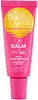
This barrier-repair lip moisturizer is formulated around Ricinus Communis Seed Oil and Butyrospermum Parkii Butter to strengthen the lip barrier and hydrate lips.
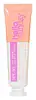
This barrier-repair lip moisturizer is formulated around Squalane and Butyrospermum Parkii Butter to strengthen the lip barrier and hydrate lips.


What's inside
What's inside
 Key Ingredients
Benefits
Concerns
Ingredients Side-by-side
Ricinus Communis Seed Oil
Masking




Octyldodecanol
Emollient
Synthetic Beeswax
Emulsion Stabilising
Microcrystalline Wax
Emulsion StabilisingHydrogenated Polydecene
EmollientCocoglycerides
Emollient
Cetyl Palmitate
Emollient
Butylene Glycol
Humectant
Butyrospermum Parkii Butter
Skin Conditioning


Simmondsia Chinensis Seed Oil
Emollient
Butyl Methoxydibenzoylmethane
UV Absorber
Octocrylene
UV Absorber

Ethylhexyl Triazone
UV Absorber
Aroma

Triacontanyl Pvp
HumectantPEG-30 Dipolyhydroxystearate
Emulsifying
Bis-Ethylhexyloxyphenol Methoxyphenyl Triazine
UV Absorber
BHA
Antioxidant
Saccharin
MaskingTocopheryl Acetate
Antioxidant

Ricinus Communis Seed Oil, Octyldodecanol, Synthetic Beeswax, Microcrystalline Wax, Hydrogenated Polydecene, Cocoglycerides, Cetyl Palmitate, Butylene Glycol, Butyrospermum Parkii Butter, Simmondsia Chinensis Seed Oil, Butyl Methoxydibenzoylmethane, Octocrylene, Ethylhexyl Triazone, Aroma, Triacontanyl Pvp, PEG-30 Dipolyhydroxystearate, Bis-Ethylhexyloxyphenol Methoxyphenyl Triazine, BHA, Saccharin, Tocopheryl Acetate
Polyisobutene
Caprylic/Capric Triglyceride
Masking
Paraffinum Liquidum
Emollient
Silica Dimethyl Silylate
EmollientDiisopropyl Adipate
EmollientSqualane
Emollient
Bis-Ethylhexyloxyphenol Methoxyphenyl Triazine
UV Absorber
Butyl Methoxydibenzoylmethane
UV Absorber
Ethylhexyl Salicylate
UV Absorber
Ethylhexyl Triazone
UV Absorber
Octyldodecanol
Emollient
Diethylamino Hydroxybenzoyl Hexyl Benzoate
UV Filter
Octocrylene
UV Absorber
Butyrospermum Parkii Butter
Skin Conditioning
Dicaprylyl Carbonate
EmollientGlyceryl Dibehenate
Emollient
Synthetic Beeswax
Emulsion Stabilising
Tribehenin
Emollient
Glyceryl Behenate
Emollient
1,2-Hexanediol
Skin Conditioning
Bisabolol
Antioxidant

Caprylyl Glycol
Emollient
Stearalkonium Hectorite
Gel FormingTocopherol
Antioxidant
Ethylhexyl Palmitate
Emollient
Propylene Carbonate
SolventHydrogenated Polydecene
EmollientButylene Glycol
Humectant
Pentylene Glycol
Skin Conditioning
Dunaliella Salina Extract
Skin ConditioningSodium Hyaluronate
Humectant
Polyisobutene, Caprylic/Capric Triglyceride, Paraffinum Liquidum, Silica Dimethyl Silylate, Diisopropyl Adipate, Squalane, Bis-Ethylhexyloxyphenol Methoxyphenyl Triazine, Butyl Methoxydibenzoylmethane, Ethylhexyl Salicylate, Ethylhexyl Triazone, Octyldodecanol, Diethylamino Hydroxybenzoyl Hexyl Benzoate, Octocrylene, Butyrospermum Parkii Butter, Dicaprylyl Carbonate, Glyceryl Dibehenate, Synthetic Beeswax, Tribehenin, Glyceryl Behenate, 1,2-Hexanediol, Bisabolol, Caprylyl Glycol, Stearalkonium Hectorite, Tocopherol, Ethylhexyl Palmitate, Propylene Carbonate, Hydrogenated Polydecene, Butylene Glycol, Pentylene Glycol, Dunaliella Salina Extract, Sodium Hyaluronate
Reviews
Ingredients Explained
These ingredients are found in both products.
Ingredients higher up in an ingredient list are typically present in a larger amount.
This ingredient is better known as bemotrizinol or Tinosorb S and is one of the best broad-spectrum UV filters in modern sunscreen.
It works by absorbing UV light across a whole range (280-400 nm) with peaks around 310 nm (UVB) and 340-345 nm (UVA). This means it covers UVB plus the deeper UVA wavelengths that drive photoaging and pigmentation.
Another pro?
It's exceptionally photostable, barely degrades in sunlight, and acts as a "bodyguard" for less stable filters.
That's why you'll see it paired with avobenzone or octinoxate; this team up ensures they keep working through sun exposure.
Safety reviews have been reassuring across the board. This ingredient shows low absorption through the skin, rarely irritates, and lab studies found it doesn't act like a hormone in the body (a concern that's been raised about some older sunscreen filters).
On maximum concentrations:
In 2026, the US F.D.A finally added it as an OTC sunscreen ingredient at concentrations up to 6% for adults / children 6 months and older
Learn more about Bis-Ethylhexyloxyphenol Methoxyphenyl TriazineAlso known as Avobenzone, this ingredient is an oil-soluble used to absorb the full spectrum of UVA rays (peak 357 nm).
It's one of the most effective UVA filters available but has a major caveat of photostability: avobenzone is susceptible to photodegradation.
This means it can lose efficacy when exposed to sunlight without the help of a stabilizing agent.
Studies show antioxidants (like vitamin E or vitamin C) and some UV filters (like octocrylene and Tinosorb S) can meaningfully improve its stability in a formulation.
The maximum allowable concentration according to regulation is 3% in the US + Canada, and 5% in the EU, Australia, China, Korea, and ASEAN countries.
It has a well-support safety profile: a comprehensive 2025 review found minimal toxicity with no evidence of carcinogenicity.
Overall, avobenzone is a safe and regulated ingredient used in sunscreen for over 40 years.
Learn more about Butyl MethoxydibenzoylmethaneButylene Glycol (or BG) is used within cosmetic products for a few different reasons:
Overall, Butylene Glycol is a safe and well-rounded ingredient that works well with other ingredients.
Though this ingredient works well with most skin types, some people with sensitive skin may experience a reaction such as allergic rashes, closed comedones, or itchiness.
Learn more about Butylene GlycolThis ingredient is also known as shea butter. It is a plant-derived extract from the nuts of the Africa shea tree and one of the most well-studied emollients.
Because it has a high concentration of fatty acids (primarily oleic, stearic, and linoleic) it is able to form a protective barrier on the skin's surface. This helps seal in moisture and prevents transepidermal water loss (TEWL).
In vitro research found an increase in skin hydration by 58% and a decrease in TEWL by 37.8% after 24 hours of applying this ingredient (pretty impressive for a single ingredient!).
Besides hydration, shea butter also contains triterpenes that have anti-inflammatory potential. In particule, lupeol cinnamate has shown the highest anti-inflammatory activity in vivo.
Shea butter also contains vitamins A and E which may contribute to antioxidant activity.
While Shea Butter has an SPF rating of about 3-4, it is not a sunscreen replacement.
This ingredient may not be fungal acne safe because its fatty acids fall within the C11-C24 range that the Malassezia yeast can metabolize.
This ingredient shows up on a lot of "pore-clogging" lists but there's no real evidence behind that. It doesn't even have a comedogenic rating from an actual study; the numbers you'll find online come from blogs citing other blogs.
Ratings for other ingredients mostly come from a 1980s rabbit ear test. This test doesn't translate well to human skin or to real products because the ingredient sits at a much lower percentage.
Some people still find it breaks them out. So if that's you, definitely trust your skin. Just know this one's based on experience and not evidence.
Learn more about Butyrospermum Parkii ButterEthylhexyl Triazone (aka Octyl Triazone) is an oil-soluble organic UVB filter. It has peak absorption around 314 nm, right in the middle of the UVB range.
This ingredient is described as one of the most effective UVB filters available and small concentrations are enough to deliver a high SPF thanks to its strong UV absorbing power.
Formulators love it for its stability; its ability to filter UV stays practically unchanged even under intense radiation and it can also help boost the photostability of less stable filters like avobenzone.
It's also a great pick for water resistant products because it's insoluble in water and has a good affinity for keratin.
Because it's a big, heavy molecule, the European Scientific Committee has found to to have very low dermal penetration and negative results for allergenicity.
In vitro testing also showed a low absorption rate and clean results on irritation.
Typical use levels are 1-5% with 5% being the maximum in the EU, Japan, and other markets that allow it. However, this ingredient is not approved yet in the US or Canada.
Learn more about Ethylhexyl TriazoneHydrogenated Polydecene is a synthetic emollient. It forms a non-occlusive film on the skin's surface to provide a silky feel without being greasy.
In vivo studies in volunteers with atopic and dry skin showed no irritation or intolerance. The volunteers also saw a positive effect in dryness, scaling, and roughness after 28 days of use.
Concentrations up to 100% in guinea pig tests found it to be non-sensitizing and completely safe for use in cosmetics.
Learn more about Hydrogenated PolydeceneOctocrylene is an oil-soluble organic UV filter that mainly absorbs UVB and short wave UVA II light.
Its real superpower is teamwork: octocrylene is remarkably photostable and is most famous for stabilizing avobenzone (the workhorse UVA filter).
This ingredient is commonly used to enhance both UVB and UVA protection due to its unique property in stabilizing avobenzone. It also pulls double duty by boosting water resistance and giving formulas a smooth, spreadable feel.
The EU's Scientific Committee on Consumer Safety (SCCS) has deemed octocrylene to be safe as a UV-filter at concentrations up to 10% (capped at 9% in propellant sprays). The US also permits it up to 10%.
Two things worth knowing:
You'll usually see this ingredient used in concentrations between 2-10% (higher amounts when used as a stabilizer for avobenzone).
Learn more about OctocryleneOctyldodecanol is a fatty alcohol sourced from plant oils like coconut or palm (or made synthetically).
It is:
You'll likely see this in many BHA products because this is the go-to solvent for salicylic acid.
This ingredient is typically used at levels between 2-20%.
Regarding fungal acne:
In 2019, this ingredient was tested against multiple Malassezia species (the yeast that causes fungal acne) and showed no growth.
Synthetic beeswax is created to be identical in structure to beeswax without involving bees, making it a go-to for vegan formulas.
It's mainly used an an emulsion stabilizer and thickener.
This ingredient (alongside other synthetic waxes) have been concluded to be safe in cosmetics under the present practices.
Reported usage goes up to 18% and it is non-sensitizing.
Just one caveat for fungal acne: This ingredient is made up of C16-32 fatty acids and fatty acid esters. Part of this overlaps with the C11-24 range that the Malassezia yeast can feed on, so it's not fungal-acne safe.
Learn more about Synthetic Beeswax

