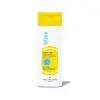
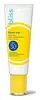
Bliss Block Star Sheer Liquid Daily Sunscreen SPF 50 Versus Bliss Block Star Invisible Daily Sunscreen SPF 30
This hybrid sunscreen covers the full UV range and blocks ~98% of UVB at SPF 50.
This sunscreen offers SPF 30 protection with a matte finish that helps control shine.

What's inside
What's inside
 Key Ingredients
Benefits
Concerns
Ingredients Side-by-side
Zinc Oxide 20%
Cosmetic Colorant


Water
Skin ConditioningCaprylic/Capric Triglyceride
Masking


Glycerin
Humectant
Vp/Hexadecene Copolymer
Dimethicone
Emollient
Sorbitan Isostearate
Emulsifying

Helianthus Annuus Seed Oil
Emollient
Bisabolol
Antioxidant


Xanthan Gum
EmulsifyingCetearyl Alcohol
Emollient



Ethyl Ferulate
Antioxidant
Olive Oil Polyglyceryl-6 Esters
Emollient
Hydroxyethyl Acrylate/Sodium Acryloyldimethyl Taurate Copolymer
Emulsion StabilisingGlyceryl Stearate
Emollient
Polysorbate 60
Emulsifying
Polysorbate 80
Emulsifying
Sodium Stearoyl Lactylate
EmulsifyingTriethoxycaprylylsilane
Isohexadecane
EmollientGluconolactone
Chelating





Tetrasodium Glutamate Diacetate
ChelatingPhenoxyethanol
Preservative
Sodium Benzoate
Masking
Zinc Oxide 20%, Water, Caprylic/Capric Triglyceride, Glycerin, Vp/Hexadecene Copolymer, Dimethicone, Sorbitan Isostearate, Helianthus Annuus Seed Oil, Bisabolol, Xanthan Gum, Cetearyl Alcohol, Ethyl Ferulate, Olive Oil Polyglyceryl-6 Esters, Hydroxyethyl Acrylate/Sodium Acryloyldimethyl Taurate Copolymer, Glyceryl Stearate, Polysorbate 60, Polysorbate 80, Sodium Stearoyl Lactylate, Triethoxycaprylylsilane, Isohexadecane, Gluconolactone, Tetrasodium Glutamate Diacetate, Phenoxyethanol, Sodium Benzoate
Water
Skin ConditioningCyclopentasiloxane
Emollient
Butylene Glycol
Humectant
Glycerin
Humectant
Dicaprylyl Carbonate
EmollientPropylene Glycol Dicaprylate
EmollientDisiloxane
Skin Conditioning
Dimethicone/Vinyl Dimethicone Crosspolymer
Skin Conditioning
Dimethicone
Emollient
PEG-10 Dimethicone
Skin Conditioning
Sodium Acrylates Crosspolymer-2
AbsorbentPolymethylsilsesquioxane
Butyloctyl Salicylate
Skin Conditioning
Vinyl Dimethicone/Methicone Silsesquioxane Crosspolymer
Vaccinium Angustifolium Fruit Extract
Skin Protecting
Oenothera Biennis Flower Extract
AstringentEuterpe Oleracea Fruit Extract
Hibiscus Sabdariffa Flower Extract
Skin ConditioningCamellia Sinensis Leaf Extract
Antimicrobial
Pinus Palustris Leaf Extract
TonicUlmus Davidiana Root Extract
Skin Conditioning
Pueraria Lobata Root Extract
HumectantEnantia Chlorantha Bark Extract
Skin ConditioningLavandula Angustifolia Oil
Masking



Rosa Canina Fruit Oil
Emollient
Anthemis Nobilis Flower Oil
Masking
Sodium Hyaluronate
Humectant
Oleanolic Acid
Skin ConditioningSqualane
Emollient
Glyceryl Caprylate
EmollientAluminum Hydroxide
EmollientPolyglyceryl-6 Polyricinoleate
Emulsifying
Sorbitan Caprylate
EmulsifyingStearic Acid
Cleansing
Synthetic Fluorphlogopite
Triethoxycaprylylsilane
Dipropylene Glycol
Humectant1,2-Hexanediol
Skin Conditioning
Dimethicone/PEG-10/15 Crosspolymer
Disteardimonium Hectorite
StabilisingMagnesium Sulfate
Ethylhexylglycerin
Skin ConditioningIron Oxides
Water, Cyclopentasiloxane, Butylene Glycol, Glycerin, Dicaprylyl Carbonate, Propylene Glycol Dicaprylate, Disiloxane, Dimethicone/Vinyl Dimethicone Crosspolymer, Dimethicone, PEG-10 Dimethicone, Sodium Acrylates Crosspolymer-2, Polymethylsilsesquioxane, Butyloctyl Salicylate, Vinyl Dimethicone/Methicone Silsesquioxane Crosspolymer, Vaccinium Angustifolium Fruit Extract, Oenothera Biennis Flower Extract, Euterpe Oleracea Fruit Extract, Hibiscus Sabdariffa Flower Extract, Camellia Sinensis Leaf Extract, Pinus Palustris Leaf Extract, Ulmus Davidiana Root Extract, Pueraria Lobata Root Extract, Enantia Chlorantha Bark Extract, Lavandula Angustifolia Oil, Rosa Canina Fruit Oil, Anthemis Nobilis Flower Oil, Sodium Hyaluronate, Oleanolic Acid, Squalane, Glyceryl Caprylate, Aluminum Hydroxide, Polyglyceryl-6 Polyricinoleate, Sorbitan Caprylate, Stearic Acid, Synthetic Fluorphlogopite, Triethoxycaprylylsilane, Dipropylene Glycol, 1,2-Hexanediol, Dimethicone/PEG-10/15 Crosspolymer, Disteardimonium Hectorite, Magnesium Sulfate, Ethylhexylglycerin, Iron Oxides
Reviews
Ingredients Explained
These ingredients are found in both products.
Ingredients higher up in an ingredient list are typically present in a larger amount.
Dimethicone is a type of synthetic silicone created from natural materials such as quartz. It is also known as polydimethylsiloxane.
What it does:
Dimethicone comes in different viscosities:
Depending on the viscosity, dimethicone has different properties.
Ingredients lists don't always show which type is used, so we recommend reaching out to the brand if you have questions about the viscosity.
This ingredient is unlikely to cause irritation because it does not get absorbed into skin. However, people with silicone allergies should be careful about using this ingredient.
Note: Dimethicone may contribute to pilling. This is because it is not oil or water soluble, so pilling may occur when layered with products. When mixed with heavy oils in a formula, the outcome is also quite greasy.
Learn more about DimethiconeGlycerin (or glycerol) is a compound naturally found in your skin. It's a powerhouse humectant that pulls water into the stratum corneum.
Topically, glycerin does several things at once:
Your skin makes glycerin on its own (mostly from sebaceous oil breakdown) and shuttles it to your outermost layer of skin, or your epidermis, via aquaporin-3.
Aquaporin-3 is a transporter that is essential for normal skin hydration, elasticity, and repair. Interestingly, mice lacking in AQP3 have dry and less elastic skin that can be fully corrected with glycerin.
This ingredient is non-irritating, plays well with almost every ingredient, and works across all skin types. Typical use is anywhere between 3-10% but can go up to 79% in some leave-on products.
Just know very high concentrations (>40%) can feel tacky in low humidity.
Glycerin is the name for this ingredient in American English. British English uses Glycerol/Glycerine.
Learn more about GlycerinTriethoxycaprylylsilane is a silicon-based surface modifier that makes sunscreens feel silky and makeup stay put.
Its main job is to coat mineral particles like titanium dioxide, zinc oxide, and color pigments in a thin, oily layer so they spread smoothly, don't clump, and stick to skin better.
This ingredient is typically used at low levels (up to 2.5% in eyeshadow and 1% in lipstick).
Learn more about TriethoxycaprylylsilaneWater. It's the most common cosmetic ingredient of all. You'll usually see it at the top of ingredient lists, meaning that it makes up the largest part of the product.
So why is it so popular? Water most often acts as a solvent - this means that it helps dissolve other ingredients into the formulation.
You'll also recognize water as that liquid we all need to stay alive. If you see this, drink a glass of water. Remember to stay hydrated!
Learn more about Water

