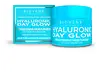
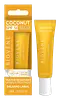
Biovène Barcelona Hyaluronic Day Glow Hydration Brightening Moisturizer Versus Biovène Barcelona Coconut Lip Balm Treatment SPF 50
This brightening day moisturizer is formulated around Niacinamide and Urea to brighten dull-looking skin and hydrate skin.
This lip moisturizer is formulated around Petrolatum and Prunus Amygdalus Dulcis Oil to hydrate lips.

What's inside
What's inside
 Key Ingredients
Benefits
Concerns
Ingredients Side-by-side
Water
Skin ConditioningGlycerin
Humectant


Caprylic/Capric Triglyceride
Masking
Helianthus Annuus Seed Oil
Emollient


Ethylhexyl Stearate
Emollient


Cetearyl Alcohol
Emollient
Glyceryl Stearate Citrate
Emollient
Dimethicone
Emollient
Niacinamide
Smoothing









Cannabis Sativa Seed Oil
Emollient
Glucosamine Sulfate
Skin ConditioningUrea
Buffering
Aloe Barbadensis Leaf Juice
Skin Conditioning
Chamomilla Recutita Flower Extract
Masking
Symphytum Officinale Root Extract
Skin ConditioningPanthenol
Skin Conditioning
Sodium Hyaluronate
Humectant
Tocopheryl Acetate
Antioxidant

Allantoin
Skin Conditioning
Phenoxyethanol
Preservative
Acrylates/C10-30 Alkyl Acrylate Crosspolymer
Emulsion StabilisingTriethanolamine
BufferingParfum
Masking


BHT
Antioxidant
Disodium EDTA
ChelatingEthylhexylglycerin
Skin ConditioningCitric Acid
Buffering
Sodium Benzoate
Masking
Potassium Sorbate
Preservative
Water, Glycerin, Caprylic/Capric Triglyceride, Helianthus Annuus Seed Oil, Ethylhexyl Stearate, Cetearyl Alcohol, Glyceryl Stearate Citrate, Dimethicone, Niacinamide, Cannabis Sativa Seed Oil, Glucosamine Sulfate, Urea, Aloe Barbadensis Leaf Juice, Chamomilla Recutita Flower Extract, Symphytum Officinale Root Extract, Panthenol, Sodium Hyaluronate, Tocopheryl Acetate, Allantoin, Phenoxyethanol, Acrylates/C10-30 Alkyl Acrylate Crosspolymer, Triethanolamine, Parfum, BHT, Disodium EDTA, Ethylhexylglycerin, Citric Acid, Sodium Benzoate, Potassium Sorbate
Petrolatum
Emollient
C12-15 Alkyl Benzoate
AntimicrobialDiethylhexyl Adipate
EmollientEuphorbia Cerifera Cera
Astringent
Hydrogenated Sunflower Seed Oil
Skin Conditioning
Ethylhexyl Stearate
Emollient
Ethylhexyl Salicylate
UV Absorber

Diethylamino Hydroxybenzoyl Hexyl Benzoate
UV Filter
Prunus Amygdalus Dulcis Oil
Skin Conditioning
Cocos Nucifera Oil
Masking
Coco-Caprylate/Caprate
Emollient
Butyl Methoxydibenzoylmethane
UV Absorber
Ethylhexyl Triazone
UV Absorber
Bis-Ethylhexyloxyphenol Methoxyphenyl Triazine
UV Absorber
Paraffin
Skin Conditioning
Tocopheryl Acetate
Antioxidant
Octadecyl Di-T-Butyl-4-Hydroxyhydrocinnamate
Antioxidant
Parfum
Masking
Benzyl Benzoate
Antimicrobial
Petrolatum, C12-15 Alkyl Benzoate, Diethylhexyl Adipate, Euphorbia Cerifera Cera, Hydrogenated Sunflower Seed Oil, Ethylhexyl Stearate, Ethylhexyl Salicylate, Diethylamino Hydroxybenzoyl Hexyl Benzoate, Prunus Amygdalus Dulcis Oil, Cocos Nucifera Oil, Coco-Caprylate/Caprate, Butyl Methoxydibenzoylmethane, Ethylhexyl Triazone, Bis-Ethylhexyloxyphenol Methoxyphenyl Triazine, Paraffin, Tocopheryl Acetate, Octadecyl Di-T-Butyl-4-Hydroxyhydrocinnamate, Parfum, Benzyl Benzoate
Reviews
Ingredients Explained
These ingredients are found in both products.
Ingredients higher up in an ingredient list are typically present in a larger amount.
Ethylhexyl Stearate is a simplease ester made fby reacting stearic acid (a fatty acid from plant or animal fats) with 2-ethylhexanol (a branched alcohol).
The result is a clear, low-viscosity, almost odorless oily liquid. Think of it as a lightweight synthetic oil that sits on the skin's surface, softens it, and slows water loss. It also works as a solvent that helps dissolve pigments and UV filters so they spread evenly.
Older ingredient lists label it as "Octyl Stearate" and it turns up the most often in makeup products.
Industry data shows usage concentration goes up to ~40% in makeup and up to 10% in moisturizer or sunscreen.
Human repeat insult patch tests with a 25.9% lip gloss and 38.8% eyebrow pencil found no sensitization. A formula with 7.6% was also not an irritant, sensitizer, and was found to be non-phototoxic across 56, 19, and 27 subjects respectively.
True contact allergy to it is rare.
This ingredient shows up on a lot of "pore-clogging" lists but there's no real evidence behind that. It doesn't even have a comedogenic rating from an actual study; the numbers you'll find online come from blogs citing other blogs.
Ratings for other ingredients mostly come from a 1980s rabbit ear test. This test doesn't translate well to human skin or to real products because the ingredient sits at a much lower percentage.
Some people still find it breaks them out. So if that's you, definitely trust your skin.
The Malassezia yeast has been found to grow in the presence of fatty acids, fatty acid esters, and fatty alcohols with chains longer than 12 carbons. Ethylhexyl Stearate releases stearic acid, an 18-carbon chain, which is right inside that range; this ingredient may not be fungal acne safe.
Learn more about Ethylhexyl StearateParfum is a catch-all term for an ingredient or more that is used to give a scent to products.
Also called "fragrance", this ingredient can be a blend of hundreds of chemicals or plant oils. This means every product with "fragrance" or "parfum" in the ingredients list is a different mixture.
For instance, Habanolide is a proprietary trade name for a specific aroma chemical. When used as a fragrance ingredient in cosmetics, most aroma chemicals fall under the broad labeling category of “FRAGRANCE” or “PARFUM” according to EU and US regulations.
The term 'parfum' or 'fragrance' is not regulated in many countries. In many cases, it is up to the brand to define this term.
For instance, many brands choose to label themselves as "fragrance-free" because they are not using synthetic fragrances. However, their products may still contain ingredients such as essential oils that are considered a fragrance by INCI standards.
One example is Calendula flower extract. Calendula is an essential oil that still imparts a scent or 'fragrance'.
Depending on the blend, the ingredients in the mixture can cause allergies and sensitivities on the skin. Some ingredients that are known EU allergens include linalool and citronellol.
Parfum can also be used to mask or cover an unpleasant scent.
The bottom line is: not all fragrances/parfum/ingredients are created equally. If you are worried about fragrances, we recommend taking a closer look at an ingredient. And of course, we always recommend speaking with a professional.
Learn more about ParfumTocopheryl Acetate is a stable, shelf-friendly form of vitamin E.
Formulators love it because plain vitamin E oxidizes quickly once it hits air. This acetate version stays stable and resists going off, helping to extend a product's shelf life.
It's actually inactive on its own and works like a slow-release "storage" form; the enzymes in your skin called esterases gradually convert it into active vitamin E over time.
One in vivo study showed 5% of the acetate in the living layer of the epidermis converted to vitamin E after 5 days of application. This study also found the skin gained protection against UV damage even though the conversion was slow and small.
Once converted, vitamin E acts as a skin's main fat-soluble antioxidant that fights free radicals to protect skin from damage.
Topical vitamin E generally boosts the skin's photoprotection, and it reduced UV-damage in animal models.
This ingredient has some brightening potential but it's more of a prevention ingredient than spot-fader. Cell studies show it can slow down melanin production but it's worth noting that it's not the most powerful brightener out there.
Overall, it has a pretty solid safety profile and has been found to be non-irritating and non-comedogenic. Allergic reactions may happen but stay rare due to how widely the ingredient gets used.
The concentration will vary depending on the formula; industry data shows 0.1% in baby lotions, 3% in lipsticks, and 5% in foot powders. You can also find this ingredient at 100% in a pure vitamin E oil.
Most leave-on skincare keeps it at the lower end, often between 0.5-1%.
Learn more about Tocopheryl Acetate


