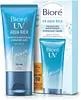
This chemical sunscreen covers most of the UV range, lighter on the deep UVA that drives aging.
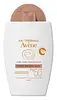
This mineral sunscreen covers the full UV range and blocks ~98% of UVB at SPF 50.


What's inside
What's inside
 Key Ingredients
Benefits
Concerns
Ingredients Side-by-side
Butyl Methoxydibenzoylmethane 3%
UV Absorber
Homosalate 10%
Skin Conditioning
Ethylhexyl Salicylate 5%
UV Absorber
Octocrylene 5%
UV Absorber

Water
Skin ConditioningAlcohol Denat.
Antimicrobial


Lauryl Methacrylate/Sodium Methacrylate Crosspolymer
Diethylhexyl 2,6-Naphthalate
EmollientGlycerin
Humectant


Dextrin Palmitate
Emulsifying
Dicaprylyl Ether
Emollient
Phenoxyethanol
Preservative
Acrylates/C10-30 Alkyl Acrylate Crosspolymer
Emulsion StabilisingGlyceryl Behenate
Emollient
Phenyl Trimethicone
Skin Conditioning
Parfum
Masking

Cetyl Alcohol
Emollient

Sorbitan Distearate
EmollientLimonene
Perfuming
Sodium Hydroxide
BufferingStearoyl Glutamic Acid
CleansingArginine
Masking
Linalool
Perfuming
Geraniol
Perfuming
Disodium EDTA
Citral
Perfuming
Sodium Hyaluronate
Humectant


Butyl Methoxydibenzoylmethane 3%, Homosalate 10%, Ethylhexyl Salicylate 5%, Octocrylene 5%, Water, Alcohol Denat., Lauryl Methacrylate/Sodium Methacrylate Crosspolymer, Diethylhexyl 2,6-Naphthalate, Glycerin, Dextrin Palmitate, Dicaprylyl Ether, Phenoxyethanol, Acrylates/C10-30 Alkyl Acrylate Crosspolymer, Glyceryl Behenate, Phenyl Trimethicone, Parfum, Cetyl Alcohol, Sorbitan Distearate, Limonene, Sodium Hydroxide, Stearoyl Glutamic Acid, Arginine, Linalool, Geraniol, Disodium EDTA, Citral, Sodium Hyaluronate
Zinc Oxide
Cosmetic Colorant
Water
Skin ConditioningTitanium Dioxide
Cosmetic Colorant
Coco-Caprylate/Caprate
Emollient
Isocetyl Stearoyl Stearate
Emollient
Isopropyl Palmitate
Emollient

Isodecyl Neopentanoate
EmollientIsododecane
EmollientIsohexadecane
EmollientPtfe
Triethylhexanoin
MaskingDicaprylyl Ether
Emollient
PEG-30 Dipolyhydroxystearate
Emulsifying
CI 77492
Cosmetic ColorantCI 77491
Cosmetic ColorantCI 77499
Cosmetic ColorantMica
Cosmetic ColorantAlumina
Abrasive
Stearic Acid
Cleansing
Caprylyl Glycol
Emollient
PEG-45/Dodecyl Glycol Copolymer
Emulsion StabilisingSilica
Abrasive
Benzoic Acid
Masking
Caprylic/Capric Triglyceride
Masking
Disodium EDTA
Disteardimonium Hectorite
StabilisingGlyceryl Behenate
Emollient
Glyceryl Dibehenate
Emollient
Helianthus Annuus Seed Oil
Emollient
Pentaerythrityl Tetra-Di-T-Butyl Hydroxyhydrocinnamate
Antioxidant
Hydrocinnamyl Cinnamate
Perfuming
Polyamide-3
Sodium Chloride
MaskingCI 77891
Cosmetic ColorantTocopherol
Antioxidant


Tocopheryl Glucoside
EmollientTribehenin
Emollient
Triethoxycaprylylsilane
Zinc Oxide, Water, Titanium Dioxide, Coco-Caprylate/Caprate, Isocetyl Stearoyl Stearate, Isopropyl Palmitate, Isodecyl Neopentanoate, Isododecane, Isohexadecane, Ptfe, Triethylhexanoin, Dicaprylyl Ether, PEG-30 Dipolyhydroxystearate, CI 77492, CI 77491, CI 77499, Mica, Alumina, Stearic Acid, Caprylyl Glycol, PEG-45/Dodecyl Glycol Copolymer, Silica, Benzoic Acid, Caprylic/Capric Triglyceride, Disodium EDTA, Disteardimonium Hectorite, Glyceryl Behenate, Glyceryl Dibehenate, Helianthus Annuus Seed Oil, Pentaerythrityl Tetra-Di-T-Butyl Hydroxyhydrocinnamate, Hydrocinnamyl Cinnamate, Polyamide-3, Sodium Chloride, CI 77891, Tocopherol, Tocopheryl Glucoside, Tribehenin, Triethoxycaprylylsilane
Reviews
Ingredients Explained
These ingredients are found in both products.
Ingredients higher up in an ingredient list are typically present in a larger amount.
Dicaprylyl Ether is created from caprylic acid. It is a texture-enhancer and emollient.
As an emollient, Dicaprylyl Ether is non-comedogenic. It helps soften and smooth the skin by creating a barrier on top. This barrier helps trap moisture in, helping to hydrate the skin.
Dicaprylyl Ether gives a non-greasy feel and better spreadability to products.
Learn more about Dicaprylyl EtherDisodium EDTA is a chelating agent. It grabs onto and deactivates metal ions that sneak into your products from water, packaging, or air.
This ingredient mainly works behind the scenes and helps with:
On top of that, this ingredient can counteract the effects of hard water by binding to the minerals in it.
One thing worth knowing is that Disodium EDTA has been shown to be a mild penetration enhancer. It can help other ingredients absorb into skin more effectively which can be a double-edged sword (great for actives, but can also make the active too strong if you have sensitive skin).
Clinical patch testing showed no significant skin irritation at typical use concentrations and minimal dermal absorption.
You'll most likely see this ingredient near the end of an ingredient list. It's typically found in concentrations less than 1%.
Learn more about Disodium EDTAGlyceryl Behenate is an emollient and emulsifier.
It has a lipophilic-hydrophilic structure that lets it sit at the oil-water interface to keep emulsions stable while leaving skin feeling soft and smooth.
In pressed powder cosmetics, it double as a compacting agent.
This ingredient can be synthetically created or plant-derived. Safety-wise, it has a solid track record.
One thing to flag for fungal acne: since this ingredient is the monoester of behenic acid (C22), it falls within the C11-24 range that Malassezia can metabolize.
Learn more about Glyceryl BehenateWater. It's the most common cosmetic ingredient of all. You'll usually see it at the top of ingredient lists, meaning that it makes up the largest part of the product.
So why is it so popular? Water most often acts as a solvent - this means that it helps dissolve other ingredients into the formulation.
You'll also recognize water as that liquid we all need to stay alive. If you see this, drink a glass of water. Remember to stay hydrated!
Learn more about Water

