Biore UV Aqua Rich Watery Essence SPF 50+ PA++++ Versus Garnier Super UV Cooling Watergel Sunscreen SPF 50+


What's inside
What's inside
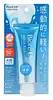 Key Ingredients
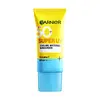
Benefits
Concerns
Ingredients Side-by-side
Water
Skin ConditioningAlcohol
Antimicrobial




Ethylhexyl Methoxycinnamate
UV Absorber

Ethylhexyl Triazone
UV Absorber
Isopropyl Palmitate
Emollient


Lauryl Methacrylate/Sodium Methacrylate Crosspolymer
Diethylamino Hydroxybenzoyl Hexyl Benzoate
UV Filter
Hydrogenated Polyisobutene
EmollientBis-Ethylhexyloxyphenol Methoxyphenyl Triazine
Skin Conditioning
Dextrin Palmitate
Emulsifying
Butylene Glycol
Humectant

Xylitol
Humectant
Acrylates/C10-30 Alkyl Acrylate Crosspolymer
Emulsion StabilisingDimethicone
Emollient

C12-15 Alkyl Benzoate
AntimicrobialGlycerin
Humectant
Glyceryl Stearate
Emollient
Propanediol
Solvent
Glyceryl Behenate
Emollient
Vinyl Dimethicone/Methicone Silsesquioxane Crosspolymer

Cetearyl Alcohol
Emollient

Agar
MaskingSorbitan Distearate
EmollientIsoceteth-20
EmulsifyingPolyvinyl Alcohol
Dimethicone/Vinyl Dimethicone Crosspolymer
Skin Conditioning
Stearoyl Glutamic Acid
CleansingArginine
Masking
Potassium Hydroxide
BufferingSodium Hydroxide
BufferingRoyal Jelly Extract
Skin Conditioning
Sodium Hyaluronate
Humectant


Phenoxyethanol
Preservative
Disodium EDTA
BHT
Antioxidant
Parfum
Masking

Water, Alcohol, Ethylhexyl Methoxycinnamate, Ethylhexyl Triazone, Isopropyl Palmitate, Lauryl Methacrylate/Sodium Methacrylate Crosspolymer, Diethylamino Hydroxybenzoyl Hexyl Benzoate, Hydrogenated Polyisobutene, Bis-Ethylhexyloxyphenol Methoxyphenyl Triazine, Dextrin Palmitate, Butylene Glycol, Xylitol, Acrylates/C10-30 Alkyl Acrylate Crosspolymer, Dimethicone, C12-15 Alkyl Benzoate, Glycerin, Glyceryl Stearate, Propanediol, Glyceryl Behenate, Vinyl Dimethicone/Methicone Silsesquioxane Crosspolymer, Cetearyl Alcohol, Agar, Sorbitan Distearate, Isoceteth-20, Polyvinyl Alcohol, Dimethicone/Vinyl Dimethicone Crosspolymer, Stearoyl Glutamic Acid, Arginine, Potassium Hydroxide, Sodium Hydroxide, Royal Jelly Extract, Sodium Hyaluronate, Phenoxyethanol, Disodium EDTA, BHT, Parfum
Water
Skin ConditioningEthylhexyl Methoxycinnamate
UV Absorber
Alcohol Denat.
Antimicrobial
Isopropyl Palmitate
Emollient
Diethylamino Hydroxybenzoyl Hexyl Benzoate
UV Filter
Bis-Ethylhexyloxyphenol Methoxyphenyl Triazine
Skin Conditioning
Ethylhexyl Triazone
UV Absorber
Silica
Abrasive

Dipropylene Glycol
HumectantCoco-Caprylate/Caprate
Emollient
Cetearyl Alcohol
Emollient
Diisopropyl Sebacate
EmollientCI 42090
Cosmetic ColorantTocopherol
Antioxidant


Ascorbyl Glucoside
Antioxidant
Hydroxyacetophenone
Antioxidant
Sodium Stearoyl Glutamate
CleansingSodium Dodecylbenzenesulfonate
CleansingPhenoxyethanol
Preservative
PEG-20
HumectantPEG-8 Laurate
Emulsifying
Trisodium Ethylenediamine Disuccinate
Ammonium Acryloyldimethyltaurate/Vp Copolymer
Limonene
Perfuming
Menthol
Masking
Xanthan Gum
EmulsifyingLinalool
Perfuming
Isocetyl Stearate
Emollient
Parfum
Masking
Carbomer
Emulsion StabilisingGeraniol
Perfuming
Cetearyl Glucoside
Emulsifying
Citrus Limon Fruit Extract
Masking
Potassium Hydroxide
BufferingBHT
Antioxidant
Citral
Perfuming
Inulin Lauryl Carbamate
Emulsion StabilisingStyrene/Acrylates Copolymer
Glycerin
Humectant
Water, Ethylhexyl Methoxycinnamate, Alcohol Denat., Isopropyl Palmitate, Diethylamino Hydroxybenzoyl Hexyl Benzoate, Bis-Ethylhexyloxyphenol Methoxyphenyl Triazine, Ethylhexyl Triazone, Silica, Dipropylene Glycol, Coco-Caprylate/Caprate, Cetearyl Alcohol, Diisopropyl Sebacate, CI 42090, Tocopherol, Ascorbyl Glucoside, Hydroxyacetophenone, Sodium Stearoyl Glutamate, Sodium Dodecylbenzenesulfonate, Phenoxyethanol, PEG-20, PEG-8 Laurate, Trisodium Ethylenediamine Disuccinate, Ammonium Acryloyldimethyltaurate/Vp Copolymer, Limonene, Menthol, Xanthan Gum, Linalool, Isocetyl Stearate, Parfum, Carbomer, Geraniol, Cetearyl Glucoside, Citrus Limon Fruit Extract, Potassium Hydroxide, BHT, Citral, Inulin Lauryl Carbamate, Styrene/Acrylates Copolymer, Glycerin
Reviews
Ingredients Explained
These ingredients are found in both products.
Ingredients higher up in an ingredient list are typically present in a larger amount.
BHT is a synthetic antioxidant and preservative.
As an antioxidant, it helps your body fight off free-radicals. Free-radicals are molecules that may damage your skin cells.
As a preservative, it is used to stabilize products and prevent them from degrading. Specifically, BHT prevents degradation from oxidation.
The concerns related to BHT come from oral studies; this ingredient is currently allowed for use by both the FDA and EU.
However, it was recently restricted for use in the UK as of April 2024.
Learn more about BHTYou might know this ingredient as Tinosorb S or Bemotrizinol. It is a UV filter that covers both UVA and UVB rays.
This ingredient has two peak UV absorption peaks ( 310 and 340 nm) and is able to absorb both UV-A and UV-B rays. This ingredient works by preventing UV rays from reaching and damaging your skin.
On top of that - it is highly photostable and helps prevent the photodegration of other sunscreen ingredients such as avobenzone.
Tinosorb S is allowed in the EU, Australia, and Asia. It is close to being approved by the FDA and we'll hopefully get this ingredient in the U.S. by late 2026.
Fun fact: Tinosorb S is the most effective UV absorber at maximum concentration (measured by SPF) permitted in the EU.
This ingredient is oil-soluble, so your oil-cleansers will take this right off at night.
Learn more about Bis-Ethylhexyloxyphenol Methoxyphenyl TriazineCetearyl alcohol is a waxy mixture of two fatty alcohols: cetyl alcohol and stearyl alcohol. It is an emollient and emulsifier.
Despite having "alcohol" in its name, it has nothing to do with drying solvent alcohols; the FDA also allows "alcohol-free" products to contain fatty alcohols like this ingredient.
It plays several roles in a formula:
Typical use levels for this ingredient sit around 1-10% and the Cosmetic Ingredient Review Expert Panel has affirmed safety at concentrations up to 25% in leave-on products.
Multiple assessments have found it to be non-irritating and non-sensitizing to most people.
However, there have been some cases of allergic contact dermatitis in patients with chronically compromised skin barriers.
Cetearyl alcohol has a comedogenic rating of 2 and irritancy rating of 1. Both of these numbers come from the 1989 study that used rabbit ears; a "2" means mildly comedogenic and a "1" means low irritancy.
Here's the catch: rabbit skin is more sensitive than human skin and throws a lot of false positives. A 1996 reappraisal found that ingredients rated 1-2 in the rabbit ear tests are generally safe for humans.
Remember comedogenic ratings are unable to assess the entire formula of a product or how it will react on your skin. Just be sure to patch test if you are unsure about certain ingredients.
This ingredient is not fungal acne safe. Cetearyl alcohol is a fatty alcohol with chain lengths that fall within the range that Malassezia can metabolize.
Learn more about Cetearyl AlcoholDiethylamino Hydroxybenzoyl Hexyl Benzoate (DHHB) is a chemical UV-A absorber. It is formulated for high UVA protection (320-400 nm).
DHHB is well-liked for:
DHHB has been approved by the EU, Japan, Taiwan, and South America for use up to 10%. Unfortunately, it has not been approved for use in the US or Canada due to slow regulatory processes.
This ingredient is soluble in oils, fats, and lipids.
Learn more about Diethylamino Hydroxybenzoyl Hexyl BenzoateEthylhexyl Methoxycinnamate is an organic compound that provides UVB protection. It often goes by the more common name of octinoxate. It is created from methoxycinnamic acid and 2-ethylhexanol.
Ethylhexyl Methoxycinnamate absorbs UVB rays with wavelengths between 280-320 nm. UV absorbers protect your skin by using chemical reactions to convert UV rays into heat and energy.
UVB (290-320 nm) rays emit more energy than UVA rays. They are capable of damaging DNA, causing sunburns and are thought to be linked to skin cancer.
The state of Hawaii has banned sunscreens containing octinoxate due to its potential impact on coral reefs. More research is needed to bridge gaps in this research. The European Union allows higher levels of octinoxate in sunscreens than the US and Australia.
Ethylhexyl Methoxycinnamate is oil soluble. It is not stable and may lose efficacy when exposed to sunlight.
Learn more about Ethylhexyl MethoxycinnamateEthylhexyl Triazone is a modern chemical sunscreen that protects from UV-B radiation.
It is the most effective of existing UV-B filters, as it provides the highest level of photo-stable absorption. It protects from the entire UV-B range (280 to 320nm), with it's highest level of protection at 314nm.
Ethylhexyl Triazone is oil soluble, oderless and colorless, which mean it is able to be incorporated into a variety of different formulations.
It is not currently available within the United States due to slow changing FDA regulations. Outside of the US, it is used in formulations at concentrations up to 5%.
Learn more about Ethylhexyl TriazoneGlycerin (or glycerol) is a compound naturally found in your skin. It's a powerhouse humectant that pulls water into the stratum corneum.
Topically, glycerin does several things at once:
Your skin makes glycerin on its own (mostly from sebaceous oil breakdown) and shuttles it to your outermost layer of skin, or your epidermis, via aquaporin-3.
Aquaporin-3 is a transporter that is essential for normal skin hydration, elasticity, and repair. Interestingly, mice lacking in AQP3 have dry and less elastic skin that can be fully corrected with glycerin.
This ingredient is non-irritating, plays well with almost every ingredient, and works across all skin types. Typical use is anywhere between 3-10% but can go up to 79% in some leave-on products.
Just know very high concentrations (>40%) can feel tacky in low humidity.
Glycerin is the name for this ingredient in American English. British English uses Glycerol/Glycerine.
Learn more about GlycerinIsopropyl Palmitate is a texture enhancer and emollient. It is an ester of isopropyl alcohol and palmitic acid.
Palmitates are emollients. Emollients help keep your skin soft and smooth by creating a barrier that traps moisture in.
When added to cosmetics, Isopropyl Palmitate creates a silky texture and improves spreadability.
Isopropyl Palmitate may not be fungal acne safe. It can worsen acne prone skin.
Learn more about Isopropyl PalmitateParfum is a catch-all term for an ingredient or more that is used to give a scent to products.
Also called "fragrance", this ingredient can be a blend of hundreds of chemicals or plant oils. This means every product with "fragrance" or "parfum" in the ingredients list is a different mixture.
For instance, Habanolide is a proprietary trade name for a specific aroma chemical. When used as a fragrance ingredient in cosmetics, most aroma chemicals fall under the broad labeling category of “FRAGRANCE” or “PARFUM” according to EU and US regulations.
The term 'parfum' or 'fragrance' is not regulated in many countries. In many cases, it is up to the brand to define this term.
For instance, many brands choose to label themselves as "fragrance-free" because they are not using synthetic fragrances. However, their products may still contain ingredients such as essential oils that are considered a fragrance by INCI standards.
One example is Calendula flower extract. Calendula is an essential oil that still imparts a scent or 'fragrance'.
Depending on the blend, the ingredients in the mixture can cause allergies and sensitivities on the skin. Some ingredients that are known EU allergens include linalool and citronellol.
Parfum can also be used to mask or cover an unpleasant scent.
The bottom line is: not all fragrances/parfum/ingredients are created equally. If you are worried about fragrances, we recommend taking a closer look at an ingredient. And of course, we always recommend speaking with a professional.
Learn more about ParfumPhenoxyethanol is a preservative that has germicide, antimicrobial, and aromatic properties. Studies show that phenoxyethanol can prevent microbial growth. By itself, it has a scent that is similar to that of a rose.
It's often used in formulations along with Caprylyl Glycol to preserve the shelf life of products.
Potassium hydroxide is commonly known as caustic potash. It is used to fix the pH of a product or as a cleaning agent in soap. In cleansers, it is used for the saponification of oils.
Sapnification is the process of creating fatty acid metal salts from triglycerides and a strong base. During this process, Potassium Hydroxide is used up and is not present in the final product.
Using high concentrations of Potassium Hydroxide have shown to irritate the skin.
Learn more about Potassium HydroxideWater. It's the most common cosmetic ingredient of all. You'll usually see it at the top of ingredient lists, meaning that it makes up the largest part of the product.
So why is it so popular? Water most often acts as a solvent - this means that it helps dissolve other ingredients into the formulation.
You'll also recognize water as that liquid we all need to stay alive. If you see this, drink a glass of water. Remember to stay hydrated!
Learn more about Water
