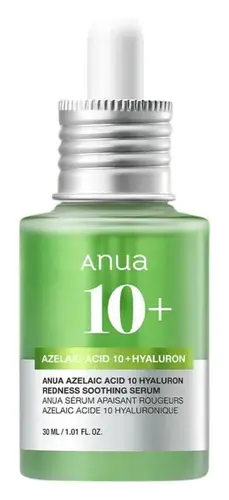
Bioderma Photoderm Creme Light Tinted SPF 50+ Versus La Roche-Posay Effaclar Duo+M Unifiant Tinted Care
This chemical sunscreen covers the full UV range and blocks ~98% of UVB at SPF 50.

What's inside
What's inside
 Key Ingredients
Benefits
Concerns
Ingredients Side-by-side
Water
Skin ConditioningDiethylamino Hydroxybenzoyl Hexyl Benzoate
UV Filter
Homosalate
Skin Conditioning
Diisopropyl Sebacate
EmollientBis-Ethylhexyloxyphenol Methoxyphenyl Triazine
UV Absorber
Dibutyl Adipate
EmollientPropanediol
Solvent

Ethylhexyl Salicylate
UV Absorber
Ethylhexyl Triazone
UV Absorber
Silica
Abrasive


Glycerin
Humectant
CI 77891
Cosmetic ColorantPropylene Glycol
Humectant

Sucrose Stearate
EmollientGlyceryl Stearate
Emollient
PEG-100 Stearate
Surfactant
CI 77492
Cosmetic ColorantPentylene Glycol
Skin Conditioning
1,2-Hexanediol
Skin Conditioning
Sodium Citrate
BufferingXanthan Gum
EmulsifyingCI 77491
Cosmetic ColorantCaprylyl Glycol
Emollient
Polyacrylate Crosspolymer-6
Emulsion StabilisingCitric Acid
Buffering

CI 77499
Cosmetic ColorantEctoin
Skin Conditioning



Mannitol
Humectant
Xylitol
Humectant
Rhamnose
HumectantFructooligosaccharides
Humectant
Caprylic/Capric Triglyceride
Masking
Laminaria Ochroleuca Extract
Skin Conditioning
Water, Diethylamino Hydroxybenzoyl Hexyl Benzoate, Homosalate, Diisopropyl Sebacate, Bis-Ethylhexyloxyphenol Methoxyphenyl Triazine, Dibutyl Adipate, Propanediol, Ethylhexyl Salicylate, Ethylhexyl Triazone, Silica, Glycerin, CI 77891, Propylene Glycol, Sucrose Stearate, Glyceryl Stearate, PEG-100 Stearate, CI 77492, Pentylene Glycol, 1,2-Hexanediol, Sodium Citrate, Xanthan Gum, CI 77491, Caprylyl Glycol, Polyacrylate Crosspolymer-6, Citric Acid, CI 77499, Ectoin, Mannitol, Xylitol, Rhamnose, Fructooligosaccharides, Caprylic/Capric Triglyceride, Laminaria Ochroleuca Extract
Water
Skin ConditioningGlycerin
Humectant
Isocetyl Stearate
Emollient

Isopropyl Isostearate
Emollient
Niacinamide
Smoothing



Isopropyl Lauroyl Sarcosinate
Skin ConditioningAmmonium Polyacryloyldimethyl Taurate
Emulsion StabilisingOryza Sativa Starch
AbsorbentGlyceryl Stearate Se
Emulsifying
Sodium Hydroxide
BufferingTrisodium Ethylenediamine Disuccinate
ChelatingSalicylic Acid
Masking



Silica Silylate
Emollient
Poloxamer 338
EmulsifyingMaltodextrin
Absorbent
Polysorbate 80
Emulsifying
Mannose
HumectantPentylene Glycol
Skin Conditioning
Zinc PCA
Humectant
Punica Granatum Pericarp Extract
Skin ConditioningIsohexadecane
Emollient2-Oleamido-1,3-Octadecanediol
Skin ConditioningCapryloyl Salicylic Acid
Exfoliating
Caprylyl Glycol
Emollient
Piroctone Olamine
Preservative
Myristyl Myristate
Emollient
Acrylamide/Sodium Acryloyldimethyltaurate Copolymer
Emulsion StabilisingParfum
Masking

Sorbitan Oleate
Emulsifying
Potassium Cetyl Phosphate
EmulsifyingVitreoscilla Ferment
Skin Conditioning
Citric Acid
Buffering
CI 77891
Cosmetic ColorantCI 77491
Cosmetic ColorantCI 77492
Cosmetic ColorantCI 77499
Cosmetic ColorantMica
Cosmetic ColorantWater, Glycerin, Isocetyl Stearate, Isopropyl Isostearate, Niacinamide, Isopropyl Lauroyl Sarcosinate, Ammonium Polyacryloyldimethyl Taurate, Oryza Sativa Starch, Glyceryl Stearate Se, Sodium Hydroxide, Trisodium Ethylenediamine Disuccinate, Salicylic Acid, Silica Silylate, Poloxamer 338, Maltodextrin, Polysorbate 80, Mannose, Pentylene Glycol, Zinc PCA, Punica Granatum Pericarp Extract, Isohexadecane, 2-Oleamido-1,3-Octadecanediol, Capryloyl Salicylic Acid, Caprylyl Glycol, Piroctone Olamine, Myristyl Myristate, Acrylamide/Sodium Acryloyldimethyltaurate Copolymer, Parfum, Sorbitan Oleate, Potassium Cetyl Phosphate, Vitreoscilla Ferment, Citric Acid, CI 77891, CI 77491, CI 77492, CI 77499, Mica
Reviews
Alternatives
Ingredients Explained
These ingredients are found in both products.
Ingredients higher up in an ingredient list are typically present in a larger amount.
Caprylyl Glycol is a humectant, skin conditioner, emollient, and preservative booster derived from either caprylic acid or synthetically created.
Typical use levels vary from 0.3-1% as a preservative booster and go up to 2% to condition skin.
Because it is not a free-fatty acid, this ingredient is fungal acne safe (there's nothing for Malassezia to feed on).
Learn more about Caprylyl GlycolCi 77491 is also hydrated iron III oxide. It's sole purpose is to give a red/pink hue to products.
Iron III oxides are classified as inorganic chemicals for coloring.
Synthetically created Ci 77491 is considered safer than those naturally found. This is because the synthetically created version may contain less impurities. Iron oxides are generally non-toxic and non-allergenic.
Learn more about CI 77491CI 77492 is also hydrated iron III oxide. It's sole purpose is to give a yellow hue to products.
Iron III oxides are classified as inorganic chemicals for coloring.
Synthetically created CI 77492 is considered safer than those naturally found. This is because the synthetically created version may contain less impurities. Iron oxides are generally non-toxic and non-allergenic.
Learn more about CI 77492Ci 77499 is also hydrated iron III oxide. It is created from mixing red and black iron oxides. This helps give shades of darkness to a product.
Iron III oxides are classified as inorganic chemicals for coloring.
Ci 77891 is a white pigment from Titanium dioxide. It is naturally found in minerals such as rutile and ilmenite.
It's main function is to add a white color to cosmetics. It can also be mixed with other colors to create different shades.
Ci 77891 is commonly found in sunscreens due to its ability to block UV rays.
Learn more about CI 77891Citric Acid is an alpha hydroxy acid (AHA) naturally found in citrus fruits like oranges, lemons, and limes.
Like other AHAs, citric acid can exfoliate skin by breaking down the bonds that hold dead skin cells together. This helps reveal smoother and brighter skin underneath.
However, this exfoliating effect only happens at high concentrations (20%) which can be hard to find in cosmetic products.
Due to this, citric acid is usually included in small amounts as a pH adjuster. This helps keep products slightly more acidic and compatible with skin's natural pH.
In skincare formulas, citric acid can:
While it can provide some skin benefits, research shows lactic acid and glycolic acid are generally more effective and less irritating exfoliants.
Most citric acid used in skincare today is made by fermenting sugars (usually from molasses). This synthetic version is identical to the natural citrus form but easier to stabilize and use in formulations.
Rosacea skin has a lower threshold for acids generally, with 62.5% of rosacea subjects in one study reacting to lactic acid in a sting test. This is why we mark citric acid as a potential rosacea trigger.
However, this ingredient shows up as a pH adjuster or chelator at roughly 0.1-1% in many products. These low levels are unlikely to be an issue for rosacea skin and becomes a potential trigger at exfoliating concentrations (20%). Because everybody's skin is unique, we recommend a patch test if you are unsure.
Learn more about Citric AcidGlycerin (or glycerol) is a compound naturally found in your skin. It's a powerhouse humectant that pulls water into the stratum corneum.
Topically, glycerin does several things at once:
Your skin makes glycerin on its own (mostly from sebaceous oil breakdown) and shuttles it to your outermost layer of skin, or your epidermis, via aquaporin-3.
Aquaporin-3 is a transporter that is essential for normal skin hydration, elasticity, and repair. Interestingly, mice lacking in AQP3 have dry and less elastic skin that can be fully corrected with glycerin.
This ingredient is non-irritating, plays well with almost every ingredient, and works across all skin types. Typical use is anywhere between 3-10% but can go up to 79% in some leave-on products.
Just know very high concentrations (>40%) can feel tacky in low humidity.
Glycerin is the name for this ingredient in American English. British English uses Glycerol/Glycerine.
Learn more about GlycerinPentylene Glycol (1,2-pentanediol) is a multitasking little diol with three main roles in a formula:
Research on alkanediols (the family pentylene glycol belongs to) show they work by disrupting microbial cell membranes. This disruption helps the primary preservative system in a product work more effectively at lower doses.
On the safety side, the Cosmetic Ingredient Review Expert Panel has concluded this ingredient to be safe as used in current cosmetic practices + concentrations.
Typical use levels in a formula run about 1-5%.
Learn more about Pentylene GlycolWater. It's the most common cosmetic ingredient of all. You'll usually see it at the top of ingredient lists, meaning that it makes up the largest part of the product.
So why is it so popular? Water most often acts as a solvent - this means that it helps dissolve other ingredients into the formulation.
You'll also recognize water as that liquid we all need to stay alive. If you see this, drink a glass of water. Remember to stay hydrated!
Learn more about Water