

What's inside
What's inside
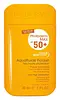 Key Ingredients
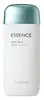
Benefits
Concerns
Ingredients Side-by-side
Water
Skin ConditioningDicaprylyl Carbonate
EmollientOctocrylene
UV Absorber



Methylene Bis-Benzotriazolyl Tetramethylbutylphenol
UV Filter
Butyl Methoxydibenzoylmethane
UV Absorber
Glycerin
Humectant


Methyl Methacrylate Crosspolymer

Cyclohexasiloxane
Emollient
Cyclopentasiloxane
Emollient
Bis-Ethylhexyloxyphenol Methoxyphenyl Triazine
Skin Conditioning
Polymethylsilsesquioxane
Methylpropanediol
SolventHdi/Trimethylol Hexyllactone Crosspolymer
C20-22 Alkyl Phosphate
EmulsifyingC20-22 Alcohols
Emulsion Stabilising
Decyl Glucoside
Cleansing
Glyceryl Stearate Citrate
Emollient
Pentylene Glycol
Skin Conditioning
Microcrystalline Cellulose
AbsorbentC30-45 Alkyl Cetearyl Dimethicone Crosspolymer
Emollient
1,2-Hexanediol
Skin Conditioning
Caprylyl Glycol
Emollient
Disodium EDTA
Xanthan Gum
EmulsifyingMannitol
Humectant
Xylitol
Humectant
Sodium Hydroxide
BufferingCellulose Gum
Emulsion StabilisingRhamnose
HumectantPropylene Glycol
Humectant
Citric Acid
Buffering

Ectoin
Skin Conditioning



Tocopherol
Antioxidant


Water, Dicaprylyl Carbonate, Octocrylene, Methylene Bis-Benzotriazolyl Tetramethylbutylphenol, Butyl Methoxydibenzoylmethane, Glycerin, Methyl Methacrylate Crosspolymer, Cyclohexasiloxane, Cyclopentasiloxane, Bis-Ethylhexyloxyphenol Methoxyphenyl Triazine, Polymethylsilsesquioxane, Methylpropanediol, Hdi/Trimethylol Hexyllactone Crosspolymer, C20-22 Alkyl Phosphate, C20-22 Alcohols, Decyl Glucoside, Glyceryl Stearate Citrate, Pentylene Glycol, Microcrystalline Cellulose, C30-45 Alkyl Cetearyl Dimethicone Crosspolymer, 1,2-Hexanediol, Caprylyl Glycol, Disodium EDTA, Xanthan Gum, Mannitol, Xylitol, Sodium Hydroxide, Cellulose Gum, Rhamnose, Propylene Glycol, Citric Acid, Ectoin, Tocopherol
Water
Skin ConditioningButylene Glycol
Humectant
Alcohol Denat.
Antimicrobial

Ethylhexyl Methoxycinnamate
UV Absorber
Octocrylene
UV Absorber
Ethylhexyl Salicylate
UV Absorber
Butyl Methoxydibenzoylmethane
UV Absorber
Helichrysum Arenarium Extract
AntiseborrhoeicMethyl Methacrylate Crosspolymer
Bis-Ethylhexyloxyphenol Methoxyphenyl Triazine
Skin Conditioning
Silica
Abrasive

Althaea Rosea Root Extract
HumectantCaprylyl Glycol
Emollient
Glycerin
Humectant
Nylon-12
Ethylhexylglycerin
Skin ConditioningParfum
Masking

Nelumbo Nucifera Flower Extract
Skin ConditioningPortulaca Oleracea Extract
Skin Conditioning
Limonia Acidissima Extract
Skin ConditioningDimethicone
Emollient
Acrylates/C10-30 Alkyl Acrylate Crosspolymer
Emulsion Stabilising1,2-Hexanediol
Skin Conditioning
BHT
Antioxidant
Disodium EDTA
Phenoxyethanol
Preservative
Sodium Hydroxide
BufferingRosa Davurica Bud Extract
Antioxidant
Potassium Sorbate
Preservative
Pentylene Glycol
Skin Conditioning
Chrysanthemum Indicum Flower Extract
Skin Conditioning
Camellia Japonica Flower Extract
EmollientVp/Hexadecene Copolymer
Psidium Guajava Leaf Extract
AstringentAbronia Villosa Leaf Extract
Skin ConditioningAloe Barbadensis Leaf Extract
Emollient
Cinchona Succirubra Bark Extract
Skin ConditioningPrunus Mume Flower Extract
Skin ConditioningCyclopentasiloxane
Emollient
Salvia Officinalis Water
Skin ConditioningCalendula Officinalis Flower Water
Masking
Pelargonium Graveolens Flower Water
AstringentAcrylates/Dimethicone Copolymer
Skin Conditioning
Camellia Sinensis Leaf Extract
Antimicrobial
Rhodiola Rosea Root Extract
EmollientMorus Alba Fruit Extract
Antioxidant
Diospyros Kaki Leaf Extract
Skin Protecting
Pueraria Lobata Root Extract
HumectantCinnamomum Cassia Bark Extract
Masking
Artemisia Princeps Leaf Extract
Skin ConditioningMethoxy PEG/PPG-25/4 Dimethicone
Emulsifying
Bis-PEG/PPG-20/5 PEG/PPG-20/5 Dimethicone
Emulsifying
Caprylic/Capric Triglyceride
Masking
Caprylyl Methicone
Skin Conditioning
Betaine
Humectant
Water, Butylene Glycol, Alcohol Denat., Ethylhexyl Methoxycinnamate, Octocrylene, Ethylhexyl Salicylate, Butyl Methoxydibenzoylmethane, Helichrysum Arenarium Extract, Methyl Methacrylate Crosspolymer, Bis-Ethylhexyloxyphenol Methoxyphenyl Triazine, Silica, Althaea Rosea Root Extract, Caprylyl Glycol, Glycerin, Nylon-12, Ethylhexylglycerin, Parfum, Nelumbo Nucifera Flower Extract, Portulaca Oleracea Extract, Limonia Acidissima Extract, Dimethicone, Acrylates/C10-30 Alkyl Acrylate Crosspolymer, 1,2-Hexanediol, BHT, Disodium EDTA, Phenoxyethanol, Sodium Hydroxide, Rosa Davurica Bud Extract, Potassium Sorbate, Pentylene Glycol, Chrysanthemum Indicum Flower Extract, Camellia Japonica Flower Extract, Vp/Hexadecene Copolymer, Psidium Guajava Leaf Extract, Abronia Villosa Leaf Extract, Aloe Barbadensis Leaf Extract, Cinchona Succirubra Bark Extract, Prunus Mume Flower Extract, Cyclopentasiloxane, Salvia Officinalis Water, Calendula Officinalis Flower Water, Pelargonium Graveolens Flower Water, Acrylates/Dimethicone Copolymer, Camellia Sinensis Leaf Extract, Rhodiola Rosea Root Extract, Morus Alba Fruit Extract, Diospyros Kaki Leaf Extract, Pueraria Lobata Root Extract, Cinnamomum Cassia Bark Extract, Artemisia Princeps Leaf Extract, Methoxy PEG/PPG-25/4 Dimethicone, Bis-PEG/PPG-20/5 PEG/PPG-20/5 Dimethicone, Caprylic/Capric Triglyceride, Caprylyl Methicone, Betaine
Reviews
Ingredients Explained
These ingredients are found in both products.
Ingredients higher up in an ingredient list are typically present in a larger amount.
1,2-Hexanediol is a synthetic liquid and another multi-functional powerhouse.
It is a:
- Humectant, drawing moisture into the skin
- Emollient, helping to soften skin
- Solvent, dispersing and stabilizing formulas
- Preservative booster, enhancing the antimicrobial activity of other preservatives
You might know this ingredient as Tinosorb S or Bemotrizinol. It is a UV filter that covers both UVA and UVB rays.
This ingredient has two peak UV absorption peaks ( 310 and 340 nm) and is able to absorb both UV-A and UV-B rays. This ingredient works by preventing UV rays from reaching and damaging your skin.
On top of that - it is highly photostable and helps prevent the photodegration of other sunscreen ingredients such as avobenzone.
Tinosorb S is allowed in the EU, Australia, and Asia. It is close to being approved by the FDA and we'll hopefully get this ingredient in the U.S. by late 2026.
Fun fact: Tinosorb S is the most effective UV absorber at maximum concentration (measured by SPF) permitted in the EU.
This ingredient is oil-soluble, so your oil-cleansers will take this right off at night.
Learn more about Bis-Ethylhexyloxyphenol Methoxyphenyl TriazineAlso known as Avobenzone, this ingredient is a chemical sunscreen filter that provides protection in the UV-A range.
Avobenzone is globally approved and is the most commonly used UV-A filter in the world.
Studies have found that avobenzone becomes ineffective when exposed to UV light (it is not photostable; meaning that it breaks down in sunlight). Because of this, formulations that include avobenzone will usually contain stabilizers such as octocrylene.
However, some modern formulations (looking at you, EU!) are able to stabilize avobenzone by coating the molecules.
Avobenzone does not protect against the UV-B range, so it's important to check that the sunscreen you're using contains other UV filters that do!
The highest concentration of avobenzone permitted is 3% in the US, and 5% in the EU.
Learn more about Butyl MethoxydibenzoylmethaneCaprylyl Glycol is a humectant, skin conditioner, emollient, and preservative booster derived from either caprylic acid or synthetically created.
Typical use levels vary from 0.3-1% as a preservative booster and go up to 2% to condition skin.
Because it is not a free-fatty acid or alcohol, this ingredient is fungal acne safe (there's nothing for Malassezia to feed on).
Learn more about Caprylyl GlycolCyclopentasiloxane, or D5, is a silicone used to improve texture of products and trap moisture.
D5 is considered lightweight and volatile. Volatile means it evaporates quickly after application. Once evaporated, D5 leaves a thin barrier that helps keep skin hydrated.
It is also an emollient. Emollients help soften the skin and prevent water loss. Silicones create a silky texture in products. D5 helps other ingredients become more spreadable.
Studies show D5 is safe to use in skincare products. We recommend speaking with a skincare professional if you have concerns.
Learn more about CyclopentasiloxaneDisodium EDTA is a chelating agent. It grabs onto and deactivates metal ions that sneak into your products from water, packaging, or air.
This ingredient mainly works behind the scenes and helps with:
On top of that, this ingredient can counteract the effects of hard water by binding to the minerals in it.
One thing worth knowing is that Disodium EDTA has been shown to be a mild penetration enhancer. It can help other ingredients absorb into skin more effectively which can be a double-edged sword (great for actives, but can also make the active too strong if you have sensitive skin).
Clinical patch testing showed no significant skin irritation at typical use concentrations and minimal dermal absorption.
You'll most likely see this ingredient near the end of an ingredient list. It's typically found in concentrations less than 1%.
Learn more about Disodium EDTAGlycerin (or glycerol) is a compound naturally found in your skin. It's a powerhouse humectant that pulls water into the stratum corneum.
Topically, glycerin does several things at once:
Your skin makes glycerin on its own (mostly from sebaceous oil breakdown) and shuttles it to your outermost layer of skin, or your epidermis, via aquaporin-3.
Aquaporin-3 is a transporter that is essential for normal skin hydration, elasticity, and repair. Interestingly, mice lacking in AQP3 have dry and less elastic skin that can be fully corrected with glycerin.
This ingredient is non-irritating, plays well with almost every ingredient, and works across all skin types. Typical use is anywhere between 3-10% but can go up to 79% in some leave-on products.
Just know very high concentrations (>40%) can feel tacky in low humidity.
Glycerin is the name for this ingredient in American English. British English uses Glycerol/Glycerine.
Learn more about GlycerinThis ingredient comes as a powder made up of small, porous, microbeads. It is used to add a silky feel to products and also helps absorb oil.
Octocrylene protects skin from sun damage. It absorbs UV-B with peak absorption of 304 nm. It is a common sunscreen ingredient and often paired with avobenzone, a UVA filter. This is because octocrylene stabilizes other sunscreen ingredients by protecting them from degradation when exposed to sunlight. Octocrylene is a photostable ingredient and loses about 10% of SPF in 95 minutes.
Octocrylene also acts as an emollient, meaning it helps skin retain moisture and softens skin. It is oil-soluble and hydrophobic, enhancing water-resistant properties in a product.
Those who are using ketoprofen, a topical anti-inflammatory drug, may experience an allergic reaction when using octocrylene. It is best to speak with a healthcare professional about using sunscreens with octocrylene.
The EU allows a maximum of these concentrations:
Learn more about OctocrylenePentylene glycol is typically used within a product to thicken it. It also adds a smooth, soft, and moisturizing feel to the product. It is naturally found in plants such as sugar beets.
The hydrophilic trait of Pentylene Glycol makes it a humectant. As a humectant, Pentylene Glycol helps draw moisture from the air to your skin. This can help keep your skin hydrated.
This property also makes Pentylene Glycol a great texture enhancer. It can also help thicken or stabilize a product.
Pentylene Glycol also acts as a mild preservative and helps to keep a product microbe-free.
Some people may experience mild eye and skin irritation from Pentylene Glycol. We always recommend speaking with a professional about using this ingredient in your routine.
Pentylene Glycol has a low molecular weight and is part of the 1,2-glycol family.
Learn more about Pentylene GlycolSodium Hydroxide is also known as lye or caustic soda. It is used to adjust the pH of products; many ingredients require a specific pH to be effective.
In small amounts, sodium hydroxide is considered safe to use. However, large amounts may cause chemical burns due to its high alkaline.
Your skin has a natural pH and acid mantle. This acid mantle helps prevent harmful bacteria from breaking through. The acid mantle also helps keep your skin hydrated.
"Alkaline" refers to a high pH level. A low pH level would be considered acidic.
Learn more about Sodium HydroxideWater. It's the most common cosmetic ingredient of all. You'll usually see it at the top of ingredient lists, meaning that it makes up the largest part of the product.
So why is it so popular? Water most often acts as a solvent - this means that it helps dissolve other ingredients into the formulation.
You'll also recognize water as that liquid we all need to stay alive. If you see this, drink a glass of water. Remember to stay hydrated!
Learn more about Water
