This hydrating sheet mask is formulated around Niacinamide and Galactomyces Ferment Filtrate to hydrate skin and strengthen the skin barrier.
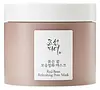
This wash off mask is made with Kaolin for a rinse-off pore-care boost.

What's inside
What's inside
 Key Ingredients
Benefits
Concerns
Ingredients Side-by-side
Water
Skin ConditioningGlycerin
Humectant


Acrylates Copolymer
Niacinamide
Smoothing









Ceratonia Siliqua Gum
EmollientChondrus Crispus Extract
Skin Conditioning
Dipropylene Glycol
HumectantBetaine
Humectant
Algin
Masking1,2-Hexanediol
Skin Conditioning
Hydroxyacetophenone
Antioxidant
Butylene Glycol
Humectant
Potassium Chloride
Agar
MaskingCaprylyl Glycol
Emollient
Sucrose
Humectant
Allantoin
Skin Conditioning
Polyglyceryl-10 Laurate
Skin Conditioning

Ethylhexylglycerin
Skin ConditioningGalactomyces Ferment Filtrate
Humectant
Adenosine
Skin Conditioning
Disodium EDTA
ChelatingPyrus Communis Fruit Extract
Skin ConditioningRosa Damascena Flower Water
Masking
Collagen Extract
Skin Conditioning
Iris Florentina Root Extract
MaskingCucumis Melo Fruit Extract
Skin ConditioningHedera Helix Leaf/Stem Extract
AntimicrobialDipotassium Glycyrrhizate
Humectant
Hydrolyzed Hyaluronic Acid
Humectant
Lactobacillus Ferment
Skin Conditioning
Bifida Ferment Filtrate
Skin Conditioning
Lactobacillus Ferment Lysate
Skin Conditioning
Tocopherol
Antioxidant
Water, Glycerin, Acrylates Copolymer, Niacinamide, Ceratonia Siliqua Gum, Chondrus Crispus Extract, Dipropylene Glycol, Betaine, Algin, 1,2-Hexanediol, Hydroxyacetophenone, Butylene Glycol, Potassium Chloride, Agar, Caprylyl Glycol, Sucrose, Allantoin, Polyglyceryl-10 Laurate, Ethylhexylglycerin, Galactomyces Ferment Filtrate, Adenosine, Disodium EDTA, Pyrus Communis Fruit Extract, Rosa Damascena Flower Water, Collagen Extract, Iris Florentina Root Extract, Cucumis Melo Fruit Extract, Hedera Helix Leaf/Stem Extract, Dipotassium Glycyrrhizate, Hydrolyzed Hyaluronic Acid, Lactobacillus Ferment, Bifida Ferment Filtrate, Lactobacillus Ferment Lysate, Tocopherol
Water
Skin ConditioningGlycerin
Humectant
Kaolin
Abrasive
Caprylic/Capric Triglyceride
Masking
1,2-Hexanediol
Skin Conditioning
Phaseolus Angularis Seed Powder
Hectorite
AbsorbentCetyl Alcohol
Emollient
Glyceryl Stearate Se
Emulsifying


Cetearyl Olivate
Sorbitan Olivate
Emulsifying
Phaseolus Angularis Seed Extract
Antioxidant
Ultramarines
Pyrus Communis Fruit Extract
Skin ConditioningEthylhexylglycerin
Skin ConditioningSodium Acrylate/Sodium Acryloyldimethyl Taurate Copolymer
Emulsion StabilisingHedera Helix Leaf/Stem Extract
AntimicrobialPolyisobutene
Fragaria Chiloensis Fruit Extract
Skin Conditioning
Pyrus Malus Leaf Extract
Skin ConditioningCI 77491
Cosmetic ColorantCaprylyl/Capryl Glucoside
CleansingSorbitan Oleate
Emulsifying
Triethoxycaprylylsilane

Water, Glycerin, Kaolin, Caprylic/Capric Triglyceride, 1,2-Hexanediol, Phaseolus Angularis Seed Powder, Hectorite, Cetyl Alcohol, Glyceryl Stearate Se, Cetearyl Olivate, Sorbitan Olivate, Phaseolus Angularis Seed Extract, Ultramarines, Pyrus Communis Fruit Extract, Ethylhexylglycerin, Sodium Acrylate/Sodium Acryloyldimethyl Taurate Copolymer, Hedera Helix Leaf/Stem Extract, Polyisobutene, Fragaria Chiloensis Fruit Extract, Pyrus Malus Leaf Extract, CI 77491, Caprylyl/Capryl Glucoside, Sorbitan Oleate, Triethoxycaprylylsilane
Reviews
Ingredients Explained
These ingredients are found in both products.
Ingredients higher up in an ingredient list are typically present in a larger amount.
1,2-Hexanediol is a synthetic liquid and another multi-functional powerhouse.
It is a:
- Humectant, drawing moisture into the skin
- Emollient, helping to soften skin
- Solvent, dispersing and stabilizing formulas
- Preservative booster, enhancing the antimicrobial activity of other preservatives
Ethylhexylglycerin is created from glycerin. It is a multitasker ingredient that:
The CIR Expert Panel found minimal skin absorption or sensitization of any kind in a safety assessment. Though this ingredient is considered well-tolerated, a small number of cases of allergic dermatitis have been published since 2002. Just be sure to patch test if you are unsure.
Industry-reported use ranges from 8% in rinse-off products and 2% in leave-on formulations.
Learn more about EthylhexylglycerinGlycerin (or glycerol) is a compound naturally found in your skin. It's a powerhouse humectant that pulls water into the stratum corneum.
Topically, glycerin does several things at once:
Your skin makes glycerin on its own (mostly from sebaceous oil breakdown) and shuttles it to your outermost layer of skin, or your epidermis, via aquaporin-3.
Aquaporin-3 is a transporter that is essential for normal skin hydration, elasticity, and repair. Interestingly, mice lacking in AQP3 have dry and less elastic skin that can be fully corrected with glycerin.
This ingredient is non-irritating, plays well with almost every ingredient, and works across all skin types. Typical use is anywhere between 3-10% but can go up to 79% in some leave-on products.
Just know very high concentrations (>40%) can feel tacky in low humidity.
Glycerin is the name for this ingredient in American English. British English uses Glycerol/Glycerine.
Learn more about GlycerinThis ingredient comes from the English Ivy, a climbing evergreen plant. The extract is rich in compounds that give it antioxidant, skin conditioning, and anti-inflammatory properties.
Two of the compounds, Alpha-Hederin and Hederasaponin-C, showed strong inhibition of shown to be effective at protecting against oxidative damage as well as synthetic antioxidants like butylated hydroxyanisole and BHT.
This ingredient comes from the common pear and has skin conditioning/skin protecting properties. Pears are rich in bioactive phenolic compounds, with the most notable ones being Arbutin, Chlorogenic Acid, and Catechin.
A small in-vivo study with 13 volunteers found using a 5% pear extract gel over 12 weeks significantly improved skin moisture and elasticity, and decreased melanin and sebum levels compared to placebo.
In phytochemical analysis, this extract has also demonstrated anti-tyrosinase activity which further supports its brightening properties.
Just so you know, individuals with birch pollen allergy should be careful and patch test this ingredient as pears belong to the same family. But topical use of this ingredient is generally well-tolerated.
Learn more about Pyrus Communis Fruit ExtractWater. It's the most common cosmetic ingredient of all. You'll usually see it at the top of ingredient lists, meaning that it makes up the largest part of the product.
So why is it so popular? Water most often acts as a solvent - this means that it helps dissolve other ingredients into the formulation.
You'll also recognize water as that liquid we all need to stay alive. If you see this, drink a glass of water. Remember to stay hydrated!
Learn more about Water

