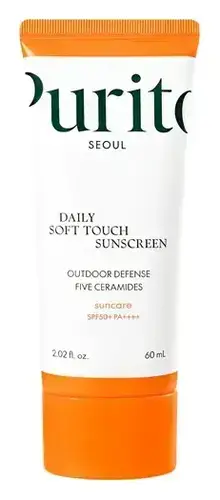
Beyer & Söhne Dayshade Cream SPF 50 Versus Hygr Lightweight Moisturising Refillable Sunscreen SPF 50
This chemical sunscreen covers the full UV range and blocks ~98% of UVB at SPF 50.
This hybrid sunscreen covers the full UV range and blocks ~98% of UVB at SPF 50.


What's inside
What's inside
 Key Ingredients
Benefits
Concerns
Ingredients Side-by-side
Water
Skin ConditioningC12-15 Alkyl Benzoate
AntimicrobialDibutyl Adipate
EmollientDiethylamino Hydroxybenzoyl Hexyl Benzoate
UV Filter
Bis-Ethylhexyloxyphenol Methoxyphenyl Triazine
UV Absorber
Diethylhexyl Butamido Triazone
UV Absorber
Dicaprylyl Carbonate
EmollientGlycerin
Humectant


Glyceryl Stearate Citrate
Emollient

Pentylene Glycol
Skin Conditioning
Ethylhexyl Triazone
UV Absorber
Sodium Stearoyl Glutamate
CleansingCellulose
Absorbent
Dicaprylyl Ether
Emollient
Squalane
Emollient
3-O-Ethyl Ascorbic Acid
Skin Conditioning




Panthenol
Skin Conditioning
Fructooligosaccharides
Humectant
Tocotrienols
Skin Conditioning
Beta Vulgaris Root Extract
Skin ConditioningSodium Hyaluronate
Humectant
Tocopherol
Antioxidant

Astaxanthin
Skin Conditioning
Carnosine
Skin Conditioning
Ceramide NP
Skin Conditioning
Ceramide AP
Skin Conditioning
Ceramide As
Skin Conditioning
Ceramide Ns
Skin Conditioning
Ceramide Eos
Skin Conditioning
Cholesterol
Emollient
Potassium Lactate
BufferingLactic Acid
Buffering


Hydrogenated Lecithin
Emulsifying
Helianthus Annuus Seed Oil
Emollient
Glyceryl Stearate
Emollient
Sucrose Distearate
Emollient
Dipropylene Glycol
HumectantXanthan Gum
EmulsifyingWater, C12-15 Alkyl Benzoate, Dibutyl Adipate, Diethylamino Hydroxybenzoyl Hexyl Benzoate, Bis-Ethylhexyloxyphenol Methoxyphenyl Triazine, Diethylhexyl Butamido Triazone, Dicaprylyl Carbonate, Glycerin, Glyceryl Stearate Citrate, Pentylene Glycol, Ethylhexyl Triazone, Sodium Stearoyl Glutamate, Cellulose, Dicaprylyl Ether, Squalane, 3-O-Ethyl Ascorbic Acid, Panthenol, Fructooligosaccharides, Tocotrienols, Beta Vulgaris Root Extract, Sodium Hyaluronate, Tocopherol, Astaxanthin, Carnosine, Ceramide NP, Ceramide AP, Ceramide As, Ceramide Ns, Ceramide Eos, Cholesterol, Potassium Lactate, Lactic Acid, Hydrogenated Lecithin, Helianthus Annuus Seed Oil, Glyceryl Stearate, Sucrose Distearate, Dipropylene Glycol, Xanthan Gum
Water
Skin ConditioningEthylhexyl Methoxycinnamate
UV Absorber
Diethylamino Hydroxybenzoyl Hexyl Benzoate
UV Filter
Bis-Ethylhexyloxyphenol Methoxyphenyl Triazine
UV Absorber
Zinc Oxide
Cosmetic Colorant
Cyclopentasiloxane
Emollient
PEG-10 Dimethicone
Skin Conditioning
Hydrogen Dimethicone
Hyaluronic Acid
Humectant
Sodium Hyaluronate
Humectant
Panthenol
Skin Conditioning
Acrylates/C10-30 Alkyl Acrylate Crosspolymer
Emulsion StabilisingPropylene Glycol
Humectant
Cucumis Sativus Fruit Extract
Emollient
Dimethicone
Emollient
Divinyldimethicone/Dimethicone Crosspolymer
Skin Conditioning
Cucumis Sativus Seed Oil
Emollient
Phenoxyethanol
Preservative
Allantoin
Skin Conditioning
Ethylhexylglycerin
Skin ConditioningTriethanolamine
BufferingWater, Ethylhexyl Methoxycinnamate, Diethylamino Hydroxybenzoyl Hexyl Benzoate, Bis-Ethylhexyloxyphenol Methoxyphenyl Triazine, Zinc Oxide, Cyclopentasiloxane, PEG-10 Dimethicone, Hydrogen Dimethicone, Hyaluronic Acid, Sodium Hyaluronate, Panthenol, Acrylates/C10-30 Alkyl Acrylate Crosspolymer, Propylene Glycol, Cucumis Sativus Fruit Extract, Dimethicone, Divinyldimethicone/Dimethicone Crosspolymer, Cucumis Sativus Seed Oil, Phenoxyethanol, Allantoin, Ethylhexylglycerin, Triethanolamine
Reviews
Ingredients Explained
These ingredients are found in both products.
Ingredients higher up in an ingredient list are typically present in a larger amount.
This ingredient is better known as bemotrizinol or Tinosorb S and is one of the best broad-spectrum UV filters in modern sunscreen.
It works by absorbing UV light across a whole range (280-400 nm) with peaks around 310 nm (UVB) and 340-345 nm (UVA). This means it covers UVB plus the deeper UVA wavelengths that drive photoaging and pigmentation.
Another pro?
It's exceptionally photostable, barely degrades in sunlight, and acts as a "bodyguard" for less stable filters.
That's why you'll see it paired with avobenzone or octinoxate; this team up ensures they keep working through sun exposure.
Safety reviews have been reassuring across the board. This ingredient shows low absorption through the skin, rarely irritates, and lab studies found it doesn't act like a hormone in the body (a concern that's been raised about some older sunscreen filters).
On maximum concentrations:
In 2026, the US F.D.A finally added it as an OTC sunscreen ingredient at concentrations up to 6% for adults / children 6 months and older
Learn more about Bis-Ethylhexyloxyphenol Methoxyphenyl TriazineDiethylamino Hydroxybenzoyl Hexyl Benzoate (DHHB) is a chemical UV-A absorber. It is formulated for high UVA protection (320-400 nm).
DHHB is well-liked for:
DHHB has been approved by the EU, Japan, Taiwan, and South America for use up to 10%. Unfortunately, it has not been approved for use in the US or Canada due to slow regulatory processes.
This ingredient is soluble in oils, fats, and lipids.
Learn more about Diethylamino Hydroxybenzoyl Hexyl BenzoatePanthenol is a common ingredient that helps hydrate and soothe the skin. It is found naturally in our skin and hair.
There are two forms of panthenol: D and L.
D-panthenol is also known as dexpanthenol. Most cosmetics use dexpanthenol or a mixture of D and L-panthenol.
Panthenol is famous due to its ability to go deeper into the skin's layers. Using this ingredient has numerous pros (and no cons):
Like hyaluronic acid, panthenol is a humectant. Humectants are able to bind and hold large amounts of water to keep skin hydrated.
This ingredient works well for wound healing. It works by increasing tissue in the wound and helps close open wounds.
Once oxidized, panthenol converts to pantothenic acid. Panthothenic acid is found in all living cells.
This ingredient is also referred to as pro-vitamin B5.
Learn more about PanthenolSodium Hyaluronate is the salt form of hyaluronic acid. It is a long sugar chain that is naturally found in your skin, joints, and connective tissue that maintains hydration and elasticity.
In skincare, it works as a humectant. It pulls water from the environment and deeper layers of skin and binds it to the surface.
Interestingly, the size of the molecule affects its behavior:
Some clinical evidence links low molecular weight versions to improved wrinkle depth, elasticity, anti-inflammatory effects, and barrier repair.
Many serums use a blend of both weights so you can get surface hydration plus longer-lasting and deeper effects.
You'll typically see concentrations between 0.1-2% for this ingredient.
Learn more about Sodium HyaluronateWater. It's the most common cosmetic ingredient of all. You'll usually see it at the top of ingredient lists, meaning that it makes up the largest part of the product.
So why is it so popular? Water most often acts as a solvent - this means that it helps dissolve other ingredients into the formulation.
You'll also recognize water as that liquid we all need to stay alive. If you see this, drink a glass of water. Remember to stay hydrated!
Learn more about Water