

What's inside
What's inside
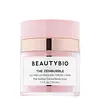 Key Ingredients
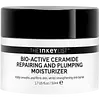
Benefits
Concerns
Ingredients Side-by-side
Water
Skin ConditioningGlycerin
Humectant



Dimethicone
Emollient
Butylene Glycol
Humectant
Diphenylsiloxy Phenyl Trimethicone
Skin Conditioning
Microcrystalline Cellulose
AbsorbentPEG-9 Polydimethylsiloxyethyl Dimethicone
Emulsifying
Polymethylsilsesquioxane
Chamomilla Recutita Flower Extract
Masking

Chlorella Vulgaris Extract
Skin Conditioning
Centella Asiatica Extract
Cleansing
Tocopherol
Antioxidant

Saccharide Isomerate
Humectant
Caprylyl Glycol
Emollient
Dimethicone/Phenyl Vinyl Dimethicone Crosspolymer
Dimethicone/PEG-10/15 Crosspolymer
Dipropylene Glycol
HumectantDisodium EDTA
Cellulose Gum
Emulsion StabilisingLactic Acid
Buffering






Propanediol
Solvent
Chlorphenesin
Antimicrobial
Phenoxyethanol
Preservative
Sodium Citrate
BufferingSodium Chloride
Masking

Water, Glycerin, Dimethicone, Butylene Glycol, Diphenylsiloxy Phenyl Trimethicone, Microcrystalline Cellulose, PEG-9 Polydimethylsiloxyethyl Dimethicone, Polymethylsilsesquioxane, Chamomilla Recutita Flower Extract, Chlorella Vulgaris Extract, Centella Asiatica Extract, Tocopherol, Saccharide Isomerate, Caprylyl Glycol, Dimethicone/Phenyl Vinyl Dimethicone Crosspolymer, Dimethicone/PEG-10/15 Crosspolymer, Dipropylene Glycol, Disodium EDTA, Cellulose Gum, Lactic Acid, Propanediol, Chlorphenesin, Phenoxyethanol, Sodium Citrate, Sodium Chloride
Water
Skin ConditioningGlycerin
Humectant
Butyrospermum Parkii Butter
Skin Conditioning

C12-15 Alkyl Benzoate
AntimicrobialPropanediol
Solvent
Polysilicone-11
C10-18 Triglycerides
Emollient
Caprylic/Capric Triglyceride
Masking
Pentaerythrityl Tetraisostearate
Emollient
Cetearyl Olivate
Sorbitan Olivate
Emulsifying
Cetyl Alcohol
Emollient
Phenoxyethanol
Preservative
Ceramide NP
Skin Conditioning
Polyacrylate-13
Hydrogenated Polyisobutene
EmollientEthylhexylglycerin
Skin ConditioningPolyglyceryl-10 Laurate
Skin Conditioning
Ethylhexyl Palmitate
Emollient
Laureth-12
EmulsifyingSorbitan Isostearate
Emulsifying
Hdi/Trimethylol Hexyllactone Crosspolymer
Polymethylsilsesquioxane
Citric Acid
Buffering
Sodium Hydroxide
BufferingWater, Glycerin, Butyrospermum Parkii Butter, C12-15 Alkyl Benzoate, Propanediol, Polysilicone-11, C10-18 Triglycerides, Caprylic/Capric Triglyceride, Pentaerythrityl Tetraisostearate, Cetearyl Olivate, Sorbitan Olivate, Cetyl Alcohol, Phenoxyethanol, Ceramide NP, Polyacrylate-13, Hydrogenated Polyisobutene, Ethylhexylglycerin, Polyglyceryl-10 Laurate, Ethylhexyl Palmitate, Laureth-12, Sorbitan Isostearate, Hdi/Trimethylol Hexyllactone Crosspolymer, Polymethylsilsesquioxane, Citric Acid, Sodium Hydroxide
Reviews
Ingredients Explained
These ingredients are found in both products.
Ingredients higher up in an ingredient list are typically present in a larger amount.
Glycerin is already naturally found in your skin. It helps moisturize and protect your skin.
A study from 2016 found glycerin to be more effective as a humectant than AHAs and hyaluronic acid.
As a humectant, it helps the skin stay hydrated by pulling moisture to your skin. The low molecular weight of glycerin allows it to pull moisture into the deeper layers of your skin.
Hydrated skin improves your skin barrier; Your skin barrier helps protect against irritants and bacteria.
Glycerin has also been found to have antimicrobial and antiviral properties. Due to these properties, glycerin is often used in wound and burn treatments.
In cosmetics, glycerin is usually derived from plants such as soybean or palm. However, it can also be sourced from animals, such as tallow or animal fat.
This ingredient is organic, colorless, odorless, and non-toxic.
Glycerin is the name for this ingredient in American English. British English uses Glycerol/Glycerine.
Learn more about GlycerinPhenoxyethanol is a preservative that has germicide, antimicrobial, and aromatic properties. Studies show that phenoxyethanol can prevent microbial growth. By itself, it has a scent that is similar to that of a rose.
It's often used in formulations along with Caprylyl Glycol to preserve the shelf life of products.
Polymethylsilsesquioxane is a silicone used as a film forming agent.
When applied to the skin, this ingredient creates an invisible film on the surface. This film still allows oxygen to pass through, but prevents moisture from escaping. This can help condition and hydrate the skin. It also leaves a silky feel when applied.
Polymethylsilsesquioxane has not been shown to clog pores. It has been deemed safe to use up to 55%, but most cosmetics use much less.
If you have concerns about using this ingredient, we recommend speaking with a professional.
Learn more about PolymethylsilsesquioxanePropanediol is an all-star ingredient. It softens, hydrates, and smooths the skin.
It’s often used to:
Propanediol is not likely to cause sensitivity and considered safe to use. It is derived from corn or petroleum with a clear color and no scent.
Learn more about PropanediolWater. It's the most common cosmetic ingredient of all. You'll usually see it at the top of ingredient lists, meaning that it makes up the largest part of the product.
So why is it so popular? Water most often acts as a solvent - this means that it helps dissolve other ingredients into the formulation.
You'll also recognize water as that liquid we all need to stay alive. If you see this, drink a glass of water. Stay hydrated!
Learn more about Water
