Beauty of Joseon Daily Tinted Fluid Sunscreen SPF 40 Versus Shiseido Ultimate Sun Protector Lotion SPF 50+
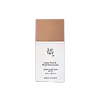
This hybrid sunscreen covers the full UV range and blocks ~98% of UVB at SPF 40.
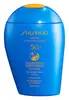
This chemical sunscreen covers most of the UV range, lighter on the deep UVA that drives aging.


What's inside
What's inside
 Key Ingredients
Benefits
Concerns
Ingredients Side-by-side
Zinc Oxide
Cosmetic Colorant


Water
Skin ConditioningButyloctyl Salicylate
Skin Conditioning
Isopropyl Myristate
Emollient





Caprylic/Capric Triglyceride
Masking


Ethylhexyl Isononanoate
EmollientNeopentyl Glycol Diheptanoate
EmollientCoco-Caprylate/Caprate
Emollient
Alcohol Denat.
Antimicrobial

Polyglyceryl-3 Polyricinoleate
Emulsifying
Butylene Glycol
Humectant
C12-15 Alkyl Benzoate
AntimicrobialPropanediol
Solvent
Silica
Abrasive

Methyl Methacrylate Crosspolymer
Stearic Acid
Cleansing
Polyglyceryl-6 Polyhydroxystearate
Emulsifying
Hydrogenated Olive Oil Unsaponifiables
Emollient
Artemisia Capillaris Extract
Polyglyceryl-4 Diisostearate/Polyhydroxystearate/Sebacate
Emulsifying
Stearalkonium Hectorite
Gel FormingUndecane
Emollient1,2-Hexanediol
Skin Conditioning
Polyglyceryl-6 Polyricinoleate
Emulsifying
Hydroxyacetophenone
Antioxidant
Tridecane
Perfuming

Polyglycerin-6
HumectantIsopropyl Titanium Triisostearate
Emollient
Tocopherol
Antioxidant




Ascorbyl Palmitate
Antioxidant

CI 77492
Cosmetic ColorantCI 77491
Cosmetic ColorantCI 77499
Cosmetic ColorantZinc Oxide, Water, Butyloctyl Salicylate, Isopropyl Myristate, Caprylic/Capric Triglyceride, Ethylhexyl Isononanoate, Neopentyl Glycol Diheptanoate, Coco-Caprylate/Caprate, Alcohol Denat., Polyglyceryl-3 Polyricinoleate, Butylene Glycol, C12-15 Alkyl Benzoate, Propanediol, Silica, Methyl Methacrylate Crosspolymer, Stearic Acid, Polyglyceryl-6 Polyhydroxystearate, Hydrogenated Olive Oil Unsaponifiables, Artemisia Capillaris Extract, Polyglyceryl-4 Diisostearate/Polyhydroxystearate/Sebacate, Stearalkonium Hectorite, Undecane, 1,2-Hexanediol, Polyglyceryl-6 Polyricinoleate, Hydroxyacetophenone, Tridecane, Polyglycerin-6, Isopropyl Titanium Triisostearate, Tocopherol, Ascorbyl Palmitate, CI 77492, CI 77491, CI 77499
Butyl Methoxydibenzoylmethane 2.3%
UV Absorber
Homosalate 10%
Skin Conditioning
Ethylhexyl Salicylate 5%
UV Absorber
Octocrylene 5%
UV Absorber
Water
Skin ConditioningDiisopropyl Sebacate
EmollientTalc
Abrasive
Methyl Methacrylate Crosspolymer
Dimethicone
Emollient
PEG/PPG-9/2 Dimethyl Ether
Skin ConditioningSd Alcohol 40-B
Astringent
Lauryl PEG-9 Polydimethylsiloxyethyl Dimethicone
Skin Conditioning
Triethylhexanoin
MaskingGlycerin
Humectant
Dextrin Palmitate
Emulsifying
Sucrose Tetrastearate Triacetate
Emollient
Isododecane
EmollientPPG-3 Dipivalate
Skin ConditioningTrimethylsiloxysilicate
Emollient
Silica
Abrasive
Sodium Chloride
MaskingPEG/PPG-14/7 Dimethyl Ether
Skin ConditioningSaxifraga Sarmentosa Extract
Skin ConditioningCamellia Sinensis Leaf Extract
Antimicrobial
Sophora Angustifolia Root Extract
Skin ConditioningPPG-17
Skin ConditioningDisteardimonium Hectorite
StabilisingCalcium Stearate
Cosmetic ColorantIsostearic Acid
Cleansing
Palmitic Acid
Emollient
Trisodium EDTA
ChelatingAlcohol
Antimicrobial
Silica Dimethyl Silylate
EmollientVinyl Dimethicone/Methicone Silsesquioxane Crosspolymer
PEG-6
HumectantBHT
Antioxidant
Tocopherol
Antioxidant
Butylene Glycol
Humectant
Stearic Acid
Cleansing
Sodium Metabisulfite
Antioxidant
Syzygium Jambos Leaf Extract
Skin ConditioningPolysilicone-2
Methylparaben
Preservative
Parfum
Masking
Iron Oxides
Butyl Methoxydibenzoylmethane 2.3%, Homosalate 10%, Ethylhexyl Salicylate 5%, Octocrylene 5%, Water, Diisopropyl Sebacate, Talc, Methyl Methacrylate Crosspolymer, Dimethicone, PEG/PPG-9/2 Dimethyl Ether, Sd Alcohol 40-B, Lauryl PEG-9 Polydimethylsiloxyethyl Dimethicone, Triethylhexanoin, Glycerin, Dextrin Palmitate, Sucrose Tetrastearate Triacetate, Isododecane, PPG-3 Dipivalate, Trimethylsiloxysilicate, Silica, Sodium Chloride, PEG/PPG-14/7 Dimethyl Ether, Saxifraga Sarmentosa Extract, Camellia Sinensis Leaf Extract, Sophora Angustifolia Root Extract, PPG-17, Disteardimonium Hectorite, Calcium Stearate, Isostearic Acid, Palmitic Acid, Trisodium EDTA, Alcohol, Silica Dimethyl Silylate, Vinyl Dimethicone/Methicone Silsesquioxane Crosspolymer, PEG-6, BHT, Tocopherol, Butylene Glycol, Stearic Acid, Sodium Metabisulfite, Syzygium Jambos Leaf Extract, Polysilicone-2, Methylparaben, Parfum, Iron Oxides
Reviews
Ingredients Explained
These ingredients are found in both products.
Ingredients higher up in an ingredient list are typically present in a larger amount.
Butylene Glycol (or BG) is used within cosmetic products for a few different reasons:
Overall, Butylene Glycol is a safe and well-rounded ingredient that works well with other ingredients.
Though this ingredient works well with most skin types, some people with sensitive skin may experience a reaction such as allergic rashes, closed comedones, or itchiness.
Learn more about Butylene GlycolThis ingredient comes as a powder made up of small, porous, microbeads. It is used to add a silky feel to products and also helps absorb oil.
Silica, also known as silicon dioxide, is a naturally occurring mineral. It is used as a fine, spherical, and porous powder in cosmetics.
Though it has exfoliant properties, the function of silica varies depending on the product.
The unique structure of silica enhances the spreadability and adds smoothness, making it a great texture enhancer.
It is also used as an active carrier, emulsifier, and mattifier due to its ability to absorb excess oil.
In some products, tiny microneedles called spicules are made from silica or hydrolyzed sponge. When you rub them in, they lightly polish away dead skin layers and enhance the penetration of active ingredients.
Learn more about SilicaStearic Acid is a fatty acid that is already found in your skin. It's one of the free fatty acids that works alongside ceramides and cholesterols to maintain your barrier.
In cosmetics, it is a multitasker:
Safety-wise, the CIR Expert Panel has concluded it to be safe in cosmetics when formulated to be non-irritating and non-sensitizing.
Free stearic acid is a C18 fatty acid that the Malassezia yeast can substrate, so this ingredient may not be fungal acne safe.
This ingredient does have a comedogenic rating of 2-3, but this doesn't mean a formula with this ingredient will clog pores.
Human testing has proved that any finished product with this ingredient won't automatically make you break out; it really comes down to concentration, formula, and your skin.
Learn more about Stearic AcidTocopherol is a fat-soluble antioxidant known as Vitamin E.
You'll find this ingredient in the vast majority of skincare (for good reason). It works to neutralize free radicals, or unstable molecules generated by UV exposure, pollution, and other environmental stressors, before they can cause oxidative damage to your skin cells.
Topically applied tocopherol has been shown to protect against UV damage by ramping up the skin's own natural defense enzymes.
It also acts as a skin conditioning agent; some studies show that regular topical use can improve the skin's water-binding capacity over 2-4 weeks.
This ingredient is especially loved for being a team player. When combined with Vitamin C, the photoprotective effect of both ingredients roughly doubles and the combo also helps reduce UV-induced DNA damage.
This ingredient has some brightening potential but it's more of a prevention ingredient than spot-fader. Cell studies show it can slow down melanin production but it's worth noting that it's not the most powerful brightener out there.
In formulations, it also serves as a stabilizer that helps protect other oxidation-prone ingredients from degrading.
Concentrations usually range from 0.1-1% in most leave-on products.
Learn more about TocopherolWater. It's the most common cosmetic ingredient of all. You'll usually see it at the top of ingredient lists, meaning that it makes up the largest part of the product.
So why is it so popular? Water most often acts as a solvent - this means that it helps dissolve other ingredients into the formulation.
You'll also recognize water as that liquid we all need to stay alive. If you see this, drink a glass of water. Remember to stay hydrated!
Learn more about Water

