Be The Skin Vita Vita Raspberry PDRN Toner Pad Versus Numbuzin No.1 Centella Re-Leaf Green Toner Pad
This anti-aging toner pad uses a pre-saturated pad with Niacinamide and Sodium DNA to soften the look of wrinkles and brighten dull-looking skin.
This calming toner pad uses a pre-saturated pad with Centella Asiatica Extract and Glycyrrhiza Uralensis Root Extract to calm redness and strengthen the skin barrier.

What's inside
What's inside
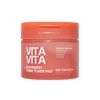 Key Ingredients
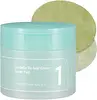
Benefits
Concerns
Ingredients Side-by-side
Water
Skin ConditioningButylene Glycol
Humectant

Glycerin
Humectant
Dipropylene Glycol
HumectantPanthenol
Skin Conditioning

1,2-Hexanediol
Skin Conditioning
Niacinamide
Smoothing







Methylpropanediol
SolventAllantoin
Skin Conditioning
Caprylyl/Capryl Glucoside
CleansingHydroxyacetophenone
Antioxidant
Glyceryl Caprylate
EmollientPolyglyceryl-10 Laurate
Skin Conditioning

Polyglyceryl-10 Myristate
Skin Conditioning
Sodium Citrate
BufferingEthylhexylglycerin
Skin ConditioningDisodium EDTA
ChelatingCitric Acid
Buffering
Gardenia Florida Fruit Extract
Skin ConditioningSodium Hyaluronate
Humectant
Dextrin
AbsorbentSodium DNA
Skin Conditioning
Tartaric Acid
Buffering
Caprylyl Glycol
Emollient
3-O-Ethyl Ascorbic Acid
Skin Conditioning
Glutathione
Rubus Idaeus Fruit Extract
AstringentAscorbyl Tetraisopalmitate
Antioxidant
Nonapeptide-1
Skin Conditioning
Dipeptide-2
Skin Conditioning
Acetyl Tetrapeptide-5
Humectant
Acetyl Hexapeptide-8
Humectant
Copper Tripeptide-1
Skin Conditioning
Tripeptide-1
Skin Conditioning
Palmitoyl Tripeptide-1
Skin Conditioning
Hexapeptide-9
Skin Conditioning
Palmitoyl Pentapeptide-4
Skin Conditioning
Sh-Oligopeptide-1
Skin Conditioning
Sh-Polypeptide-1
Skin Conditioning
Parfum
Masking


Water, Butylene Glycol, Glycerin, Dipropylene Glycol, Panthenol, 1,2-Hexanediol, Niacinamide, Methylpropanediol, Allantoin, Caprylyl/Capryl Glucoside, Hydroxyacetophenone, Glyceryl Caprylate, Polyglyceryl-10 Laurate, Polyglyceryl-10 Myristate, Sodium Citrate, Ethylhexylglycerin, Disodium EDTA, Citric Acid, Gardenia Florida Fruit Extract, Sodium Hyaluronate, Dextrin, Sodium DNA, Tartaric Acid, Caprylyl Glycol, 3-O-Ethyl Ascorbic Acid, Glutathione, Rubus Idaeus Fruit Extract, Ascorbyl Tetraisopalmitate, Nonapeptide-1, Dipeptide-2, Acetyl Tetrapeptide-5, Acetyl Hexapeptide-8, Copper Tripeptide-1, Tripeptide-1, Palmitoyl Tripeptide-1, Hexapeptide-9, Palmitoyl Pentapeptide-4, Sh-Oligopeptide-1, Sh-Polypeptide-1, Parfum
Centella Asiatica Extract
Cleansing
Glycyrrhiza Uralensis Root Extract
Skin Conditioning
Houttuynia Cordata Extract
Skin Conditioning
Glycerin
Humectant
Butylene Glycol
Humectant
Dipropylene Glycol
HumectantPropanediol
Solvent
1,2-Hexanediol
Skin Conditioning
Ethylhexylglycerin
Skin ConditioningHyacinthus Orientalis Extract
Skin ConditioningPolygonum Multiflorum Extract
Skin ConditioningCarbomer
Emulsion StabilisingHydroxyethylcellulose
Emulsion StabilisingPolyglyceryl-10 Laurate
Skin Conditioning
Polyglyceryl-10 Myristate
Skin Conditioning
Arginine
Masking
Allantoin
Skin Conditioning
Disodium EDTA
ChelatingNymphaea Alba Flower Extract
Skin ConditioningRicinus Communis Seed Oil
Masking
Betaine
Humectant
Panthenol
Skin Conditioning
Citrus Paradisi Peel Oil
Masking

Pelargonium Graveolens Flower Oil
Masking
Melaleuca Alternifolia Leaf Oil
Antioxidant
Rosmarinus Officinalis Leaf Oil
Masking
Centella Asiatica Extract, Glycyrrhiza Uralensis Root Extract, Houttuynia Cordata Extract, Glycerin, Butylene Glycol, Dipropylene Glycol, Propanediol, 1,2-Hexanediol, Ethylhexylglycerin, Hyacinthus Orientalis Extract, Polygonum Multiflorum Extract, Carbomer, Hydroxyethylcellulose, Polyglyceryl-10 Laurate, Polyglyceryl-10 Myristate, Arginine, Allantoin, Disodium EDTA, Nymphaea Alba Flower Extract, Ricinus Communis Seed Oil, Betaine, Panthenol, Citrus Paradisi Peel Oil, Pelargonium Graveolens Flower Oil, Melaleuca Alternifolia Leaf Oil, Rosmarinus Officinalis Leaf Oil
Reviews
Ingredients Explained
These ingredients are found in both products.
Ingredients higher up in an ingredient list are typically present in a larger amount.
1,2-Hexanediol is a synthetic liquid and another multi-functional powerhouse.
It is a:
- Humectant, drawing moisture into the skin
- Emollient, helping to soften skin
- Solvent, dispersing and stabilizing formulas
- Preservative booster, enhancing the antimicrobial activity of other preservatives
Allantoin is a soothing ingredient known for its protective and moisturizing properties; it's basically a quiet workhorse ingredient you can find in a huge range of cosmetics.
Though it can be derived from the comfrey plant, allantoin is produced synthetically for cosmetic products to ensure purity.
Research shows it can encourage your skin cells to turn over and renew by stimulating keratinocyte and fibroblast proliferation.
It also has mild keratolytic properties to help loosen and shed dead skin cells without being harsh.
Studies also suggest allantoin can help calm inflammation by dialing down some of the chemical signals your skin sends out when it is irritated.
This ingredient is typically used in the 0.1-0.5% range, and the FDA recognizes it as a skin protectant in OTC products up to 2%.
Overall, allantoin is a wonderful addition to most routines; it is stable across a wide pH range (~4-8), works well with other ingredients, and is considered non-sensitizing/non-irritating.
Fun fact: Allantoin is naturally occurring in comfrey root, beets, chamomile, and wheat sprouts. Our bodies even produce it as a byproduct of uric acid metabolism.
Learn more about AllantoinButylene Glycol (or BG) is used within cosmetic products for a few different reasons:
Overall, Butylene Glycol is a safe and well-rounded ingredient that works well with other ingredients.
Though this ingredient works well with most skin types, some people with sensitive skin may experience a reaction such as allergic rashes, closed comedones, or itchiness.
Learn more about Butylene GlycolDipropylene Glycol is a synthetically created humectant, stabilizer, and solvent.
This ingredient helps:
Dipropylene glycol is technically an alcohol, but it belongs to the glycol family (often considered part of the ‘good’ alcohols). This means it is hydrating and gentle on skin unlike drying solvent alcohols like denatured alcohol.
As a masking agent, Dipropylene Glycol can be used to cover the smell of other ingredients. However, it does not have a scent.
Studies show Dipropylene Glycol is considered safe to use in skincare.
Learn more about Dipropylene GlycolDisodium EDTA is a chelating agent. It grabs onto and deactivates metal ions that sneak into your products from water, packaging, or air.
This ingredient mainly works behind the scenes and helps with:
On top of that, this ingredient can counteract the effects of hard water by binding to the minerals in it.
One thing worth knowing is that Disodium EDTA has been shown to be a mild penetration enhancer. It can help other ingredients absorb into skin more effectively which can be a double-edged sword (great for actives, but can also make the active too strong if you have sensitive skin).
Clinical patch testing showed no significant skin irritation at typical use concentrations and minimal dermal absorption.
You'll most likely see this ingredient near the end of an ingredient list. It's typically found in concentrations less than 1%.
Learn more about Disodium EDTAEthylhexylglycerin is created from glycerin. It is a multitasker ingredient that:
The CIR Expert Panel found minimal skin absorption or sensitization of any kind in a safety assessment. Though this ingredient is considered well-tolerated, a small number of cases of allergic dermatitis have been published since 2002. Just be sure to patch test if you are unsure.
Industry-reported use ranges from 8% in rinse-off products and 2% in leave-on formulations.
Learn more about EthylhexylglycerinGlycerin (or glycerol) is a compound naturally found in your skin. It's a powerhouse humectant that pulls water into the stratum corneum.
Topically, glycerin does several things at once:
Your skin makes glycerin on its own (mostly from sebaceous oil breakdown) and shuttles it to your outermost layer of skin, or your epidermis, via aquaporin-3.
Aquaporin-3 is a transporter that is essential for normal skin hydration, elasticity, and repair. Interestingly, mice lacking in AQP3 have dry and less elastic skin that can be fully corrected with glycerin.
This ingredient is non-irritating, plays well with almost every ingredient, and works across all skin types. Typical use is anywhere between 3-10% but can go up to 79% in some leave-on products.
Just know very high concentrations (>40%) can feel tacky in low humidity.
Glycerin is the name for this ingredient in American English. British English uses Glycerol/Glycerine.
Learn more about GlycerinPanthenol is a common ingredient that helps hydrate and soothe the skin. It is found naturally in our skin and hair.
There are two forms of panthenol: D and L.
D-panthenol is also known as dexpanthenol. Most cosmetics use dexpanthenol or a mixture of D and L-panthenol.
Panthenol is famous due to its ability to go deeper into the skin's layers. Using this ingredient has numerous pros (and no cons):
Like hyaluronic acid, panthenol is a humectant. Humectants are able to bind and hold large amounts of water to keep skin hydrated.
This ingredient works well for wound healing. It works by increasing tissue in the wound and helps close open wounds.
Once oxidized, panthenol converts to pantothenic acid. Panthothenic acid is found in all living cells.
This ingredient is also referred to as pro-vitamin B5.
Learn more about PanthenolPolyglyceryl-10 Laurate is a cleansing agent and emulsifier.
It rounds up dirt, oil, and grime, so they can be rinsed off easily as a cleanser.
On the emulsifier side, it keeps your formula smooth and well-mixed by playing peacekeeper for ingredients that don't naturally get along (like oil and water).
Because it has a C12 (lauric acid) fatty acid chain, this ingredient can potentially feed the Malassezia yeast that causes fungal acne. The Malassezia yeast prefers esters with C11-C24 fatty acids.
This ingredient is an ester of lauric acid and Polyglycerin-10.
Learn more about Polyglyceryl-10 LauratePolyglyceryl-10 Myristate is a nonionic emulsifier and skin conditioner made from Polyglycerin-10 and Myristic Acid.
As a skin conditioning agent, this ingredient leaves skin feeling soft without a greasy finish. As an emulsifier, it helps stabilize oil-in-water emulsions.
You'll likely see this ingredient in "clean" formulations because it's considered a natural alternative to PEGs.
Patch testing at concentration 0.1-1% showed no reactions and this ingredient is considered to be well-tolerated across skin types.
Due to its myristic acid base, this ingredient may not be fungal acne safe.
Learn more about Polyglyceryl-10 Myristate

