Babor Cleanformance Awakening Eye Cream Versus Annemarie Börlind ZZ Sensitive Regenerative Eye Cream
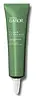
This brightening eye moisturizer is formulated around Lactococcus Ferment Lysate and Niacinamide to brighten dull-looking skin.
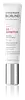
This barrier-repair eye moisturizer is formulated around Squalane and Butyrospermum Parkii Butter to strengthen the skin barrier and hydrate skin.

What's inside
What's inside
 Key Ingredients
Benefits
Concerns
Ingredients Side-by-side
Water
Skin ConditioningGlycerin
Humectant


Sesamum Indicum Seed Oil
Emollient




Macadamia Integrifolia Seed Oil
Skin Conditioning
Cetearyl Alcohol
Emollient


Lactococcus Ferment Lysate
Skin Conditioning
Butylene Glycol
Humectant
Olea Europaea Fruit Oil
Masking
Hydrolyzed Yeast Protein
Skin ConditioningCetearyl Glucoside
Emulsifying
Phenoxyethanol
Preservative
Niacinamide
Smoothing








Synthetic Fluorphlogopite
Mica
Cosmetic ColorantFraxinus Excelsior Bark Extract
Skin ConditioningXanthan Gum
EmulsifyingSodium Cetearyl Sulfate
Cleansing
Pentylene Glycol
Skin Conditioning
Ethylhexylglycerin
Skin ConditioningHelianthus Annuus Seed Oil
Emollient
Tocopherol
Antioxidant

Sodium Hyaluronate
Humectant
Glycolic Acid
Buffering


Tin Oxide
Abrasive
Lactic Acid
Buffering
Silanetriol
Sodium Hydroxide
BufferingSodium Chloride
MaskingAcer Rubrum Bark Extract
Skin ConditioningSodium Benzoate
Masking
Silica
Abrasive
CI 77891
Cosmetic ColorantCI 77288
Cosmetic ColorantWater, Glycerin, Sesamum Indicum Seed Oil, Macadamia Integrifolia Seed Oil, Cetearyl Alcohol, Lactococcus Ferment Lysate, Butylene Glycol, Olea Europaea Fruit Oil, Hydrolyzed Yeast Protein, Cetearyl Glucoside, Phenoxyethanol, Niacinamide, Synthetic Fluorphlogopite, Mica, Fraxinus Excelsior Bark Extract, Xanthan Gum, Sodium Cetearyl Sulfate, Pentylene Glycol, Ethylhexylglycerin, Helianthus Annuus Seed Oil, Tocopherol, Sodium Hyaluronate, Glycolic Acid, Tin Oxide, Lactic Acid, Silanetriol, Sodium Hydroxide, Sodium Chloride, Acer Rubrum Bark Extract, Sodium Benzoate, Silica, CI 77891, CI 77288
Water
Skin ConditioningAlcohol
Antimicrobial

Caprylyl Caprylate/Caprate
Emollient
Limnanthes Alba Seed Oil
Skin Conditioning
Squalane
Emollient
Butyrospermum Parkii Butter
Skin Conditioning
Glyceryl Stearate
Emollient
Behenyl Alcohol
Emollient
Brassica Campestris Seed Oil
Skin Conditioning
Glycerin
Humectant
Stearic Acid
Cleansing
Potassium Cetyl Phosphate
EmulsifyingPalmitic Acid
Emollient
Inulin
Skin Conditioning
Sorbitan Caprylate
EmulsifyingSorbitan Stearate
Emulsifying
Alpha-Glucan Oligosaccharide
Cleansing
Curculigo Orchioides Root Extract
Skin ConditioningMagnolia Officinalis Bark Extract
Antimicrobial
Xanthan Gum
EmulsifyingChondrus Crispus Powder
Abrasive
Carrageenan
Tocopheryl Acetate
Antioxidant
Sucrose Cocoate
Emulsifying
Fructan
Skin ConditioningGlyceryl Caprylate
EmollientGlycine Soja Oil
Emollient
Glycine Max Seed Extract
Skin ConditioningMaltodextrin
Absorbent
Arginine
Masking
Lecithin
Emollient
Ascorbyl Palmitate
Antioxidant
Tocopherol
Antioxidant
Lactobacillus Ferment
Skin Conditioning
Water, Alcohol, Caprylyl Caprylate/Caprate, Limnanthes Alba Seed Oil, Squalane, Butyrospermum Parkii Butter, Glyceryl Stearate, Behenyl Alcohol, Brassica Campestris Seed Oil, Glycerin, Stearic Acid, Potassium Cetyl Phosphate, Palmitic Acid, Inulin, Sorbitan Caprylate, Sorbitan Stearate, Alpha-Glucan Oligosaccharide, Curculigo Orchioides Root Extract, Magnolia Officinalis Bark Extract, Xanthan Gum, Chondrus Crispus Powder, Carrageenan, Tocopheryl Acetate, Sucrose Cocoate, Fructan, Glyceryl Caprylate, Glycine Soja Oil, Glycine Max Seed Extract, Maltodextrin, Arginine, Lecithin, Ascorbyl Palmitate, Tocopherol, Lactobacillus Ferment
Ingredients Explained
These ingredients are found in both products.
Ingredients higher up in an ingredient list are typically present in a larger amount.
Glycerin (or glycerol) is a compound naturally found in your skin. It's a powerhouse humectant that pulls water into the stratum corneum.
Topically, glycerin does several things at once:
Your skin makes glycerin on its own (mostly from sebaceous oil breakdown) and shuttles it to your outermost layer of skin, or your epidermis, via aquaporin-3.
Aquaporin-3 is a transporter that is essential for normal skin hydration, elasticity, and repair. Interestingly, mice lacking in AQP3 have dry and less elastic skin that can be fully corrected with glycerin.
This ingredient is non-irritating, plays well with almost every ingredient, and works across all skin types. Typical use is anywhere between 3-10% but can go up to 79% in some leave-on products.
Just know very high concentrations (>40%) can feel tacky in low humidity.
Glycerin is the name for this ingredient in American English. British English uses Glycerol/Glycerine.
Learn more about GlycerinTocopherol is a fat-soluble antioxidant known as Vitamin E.
You'll find this ingredient in the vast majority of skincare (for good reason). It works to neutralize free radicals, or unstable molecules generated by UV exposure, pollution, and other environmental stressors, before they can cause oxidative damage to your skin cells.
Topically applied tocopherol has been shown to protect against UV damage by ramping up the skin's own natural defense enzymes.
It also acts as a skin conditioning agent; some studies show that regular topical use can improve the skin's water-binding capacity over 2-4 weeks.
This ingredient is especially loved for being a team player. When combined with Vitamin C, the photoprotective effect of both ingredients roughly doubles and the combo also helps reduce UV-induced DNA damage.
This ingredient has some brightening potential but it's more of a prevention ingredient than spot-fader. Cell studies show it can slow down melanin production but it's worth noting that it's not the most powerful brightener out there.
In formulations, it also serves as a stabilizer that helps protect other oxidation-prone ingredients from degrading.
Concentrations usually range from 0.1-1% in most leave-on products.
Learn more about TocopherolWater. It's the most common cosmetic ingredient of all. You'll usually see it at the top of ingredient lists, meaning that it makes up the largest part of the product.
So why is it so popular? Water most often acts as a solvent - this means that it helps dissolve other ingredients into the formulation.
You'll also recognize water as that liquid we all need to stay alive. If you see this, drink a glass of water. Remember to stay hydrated!
Learn more about WaterXanthan gum is used as a stabilizer and thickener within cosmetic products. It helps give products a sticky, thick feeling - preventing them from being too runny.
On the technical side of things, xanthan gum is a polysaccharide - a combination consisting of multiple sugar molecules bonded together.
Xanthan gum is a pretty common and great ingredient. It is a natural, non-toxic, non-irritating ingredient that is also commonly used in food products.
Learn more about Xanthan Gum

