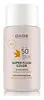
This chemical sunscreen covers the full UV range and blocks ~98% of UVB at SPF 50.
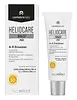
This hybrid sunscreen covers the full UV range and blocks ~98% of UVB at SPF 50.

What's inside
What's inside
 Key Ingredients
Benefits
Concerns
Ingredients Side-by-side
Water
Skin ConditioningDicaprylyl Carbonate
EmollientEthylhexyl Methoxycinnamate
UV Absorber


Propanediol
Solvent

Dibutyl Adipate
EmollientButyl Methoxydibenzoylmethane
UV Absorber
Ethylhexyl Triazone
UV Absorber
Hydrogenated Palm Kernel Glycerides
EmollientBis-Ethylhexyloxyphenol Methoxyphenyl Triazine
UV Absorber
C20-22 Alkyl Phosphate
EmulsifyingCI 77891
Cosmetic ColorantC20-22 Alcohols
Emulsion Stabilising
Benzotriazolyl Dodecyl P-Cresol
UV AbsorberSodium Hyaluronate
Humectant


Carnosine
Skin Conditioning
Tocopherol
Antioxidant



Caprylyl/Capryl Glucoside
CleansingHydrogenated Palm Glycerides
Emollient

1,2-Hexanediol
Skin Conditioning
CI 77492
Cosmetic ColorantXanthan Gum
EmulsifyingCI 77491
Cosmetic ColorantPolyacrylate Crosspolymer-6
Emulsion StabilisingParfum
Masking


CI 77499
Cosmetic ColorantBHT
Antioxidant
Sodium Hydroxide
BufferingO-Cymen-5-Ol
Antimicrobial
Citric Acid
Buffering
Water, Dicaprylyl Carbonate, Ethylhexyl Methoxycinnamate, Propanediol, Dibutyl Adipate, Butyl Methoxydibenzoylmethane, Ethylhexyl Triazone, Hydrogenated Palm Kernel Glycerides, Bis-Ethylhexyloxyphenol Methoxyphenyl Triazine, C20-22 Alkyl Phosphate, CI 77891, C20-22 Alcohols, Benzotriazolyl Dodecyl P-Cresol, Sodium Hyaluronate, Carnosine, Tocopherol, Caprylyl/Capryl Glucoside, Hydrogenated Palm Glycerides, 1,2-Hexanediol, CI 77492, Xanthan Gum, CI 77491, Polyacrylate Crosspolymer-6, Parfum, CI 77499, BHT, Sodium Hydroxide, O-Cymen-5-Ol, Citric Acid
Water
Skin ConditioningCoconut Alkanes
Emollient

Zinc Oxide
Cosmetic Colorant
Caprylyl Methicone
Skin Conditioning
Isododecane
EmollientCyclopentasiloxane
Emollient
Titanium Dioxide
Cosmetic Colorant
Butylene Glycol
Humectant
PEG-9 Polydimethylsiloxyethyl Dimethicone
Emulsifying
Tris-Biphenyl Triazine
UV Absorber
Dimethicone
Emollient
Polyglyceryl-3 Polydimethylsiloxyethyl Dimethicone
Skin Conditioning
Coco-Caprylate/Caprate
Emollient
Polypodium Leucotomos Leaf Extract
Skin Protecting
Phenethyl Benzoate
Emollient
Pentylene Glycol
Skin Conditioning
Tambourissa Trichophylla Leaf Extract
Skin ConditioningGlutathione
Physalis Angulata Extract
Skin ProtectingTocopheryl Acetate
Antioxidant
Squalane
Emollient
Caprylic/Capric Triglyceride
Masking
Methyl Methacrylate Crosspolymer
Propylene Glycol
Humectant
Aluminum Hydroxide
EmollientStearic Acid
Cleansing
Dimethicone/PEG-10/15 Crosspolymer
Dipropylene Glycol
HumectantDisteardimonium Hectorite
StabilisingPropylene Carbonate
SolventDecyl Glucoside
Cleansing
Tocopherol
Antioxidant
Sodium Citrate
BufferingXanthan Gum
EmulsifyingDisodium Phosphate
BufferingMagnesium Sulfate
Disodium EDTA
ChelatingPhenylpropanol
Masking
Propanediol
Solvent
Caprylyl Glycol
Emollient
Triethoxycaprylylsilane
CI 77492
Cosmetic ColorantCI 77499
Cosmetic ColorantCI 77491
Cosmetic ColorantWater, Coconut Alkanes, Zinc Oxide, Caprylyl Methicone, Isododecane, Cyclopentasiloxane, Titanium Dioxide, Butylene Glycol, PEG-9 Polydimethylsiloxyethyl Dimethicone, Tris-Biphenyl Triazine, Dimethicone, Polyglyceryl-3 Polydimethylsiloxyethyl Dimethicone, Coco-Caprylate/Caprate, Polypodium Leucotomos Leaf Extract, Phenethyl Benzoate, Pentylene Glycol, Tambourissa Trichophylla Leaf Extract, Glutathione, Physalis Angulata Extract, Tocopheryl Acetate, Squalane, Caprylic/Capric Triglyceride, Methyl Methacrylate Crosspolymer, Propylene Glycol, Aluminum Hydroxide, Stearic Acid, Dimethicone/PEG-10/15 Crosspolymer, Dipropylene Glycol, Disteardimonium Hectorite, Propylene Carbonate, Decyl Glucoside, Tocopherol, Sodium Citrate, Xanthan Gum, Disodium Phosphate, Magnesium Sulfate, Disodium EDTA, Phenylpropanol, Propanediol, Caprylyl Glycol, Triethoxycaprylylsilane, CI 77492, CI 77499, CI 77491
Reviews
Ingredients Explained
These ingredients are found in both products.
Ingredients higher up in an ingredient list are typically present in a larger amount.
Ci 77491 is also hydrated iron III oxide. It's sole purpose is to give a red/pink hue to products.
Iron III oxides are classified as inorganic chemicals for coloring.
Synthetically created Ci 77491 is considered safer than those naturally found. This is because the synthetically created version may contain less impurities. Iron oxides are generally non-toxic and non-allergenic.
Learn more about CI 77491CI 77492 is also hydrated iron III oxide. It's sole purpose is to give a yellow hue to products.
Iron III oxides are classified as inorganic chemicals for coloring.
Synthetically created CI 77492 is considered safer than those naturally found. This is because the synthetically created version may contain less impurities. Iron oxides are generally non-toxic and non-allergenic.
Learn more about CI 77492Ci 77499 is also hydrated iron III oxide. It is created from mixing red and black iron oxides. This helps give shades of darkness to a product.
Iron III oxides are classified as inorganic chemicals for coloring.
Propanediol is an all-star ingredient. It softens, hydrates, and smooths the skin.
It’s often used to:
Propanediol is not likely to cause sensitivity and considered safe to use. It is derived from corn or petroleum with a clear color and no scent.
Learn more about PropanediolTocopherol is a fat-soluble antioxidant known as Vitamin E.
You'll find this ingredient in the vast majority of skincare (for good reason). It works to neutralize free radicals, or unstable molecules generated by UV exposure, pollution, and other environmental stressors, before they can cause oxidative damage to your skin cells.
Topically applied tocopherol has been shown to protect against UV damage by ramping up the skin's own natural defense enzymes.
It also acts as a skin conditioning agent; some studies show that regular topical use can improve the skin's water-binding capacity over 2-4 weeks.
This ingredient is especially loved for being a team player. When combined with Vitamin C, the photoprotective effect of both ingredients roughly doubles and the combo also helps reduce UV-induced DNA damage.
This ingredient has some brightening potential but it's more of a prevention ingredient than spot-fader. Cell studies show it can slow down melanin production but it's worth noting that it's not the most powerful brightener out there.
In formulations, it also serves as a stabilizer that helps protect other oxidation-prone ingredients from degrading.
Concentrations usually range from 0.1-1% in most leave-on products.
Learn more about TocopherolWater. It's the most common cosmetic ingredient of all. You'll usually see it at the top of ingredient lists, meaning that it makes up the largest part of the product.
So why is it so popular? Water most often acts as a solvent - this means that it helps dissolve other ingredients into the formulation.
You'll also recognize water as that liquid we all need to stay alive. If you see this, drink a glass of water. Remember to stay hydrated!
Learn more about WaterXanthan gum is used as a stabilizer and thickener within cosmetic products. It helps give products a sticky, thick feeling - preventing them from being too runny.
On the technical side of things, xanthan gum is a polysaccharide - a combination consisting of multiple sugar molecules bonded together.
Xanthan gum is a pretty common and great ingredient. It is a natural, non-toxic, non-irritating ingredient that is also commonly used in food products.
Learn more about Xanthan Gum

