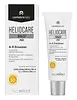
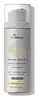
HELIOCARE 360º MD A-R Emulsion SPF50+ Versus SkinMedica Essential Defense Mineral Shield Broad Spectrum SPF 32 Sunscreen Tinted
This hybrid sunscreen covers the full UV range and blocks ~98% of UVB at SPF 50.
This sunscreen offers SPF 32 protection with a matte finish that helps control shine.


What's inside
What's inside
 Key Ingredients
Benefits
Concerns
Ingredients Side-by-side
Water
Skin ConditioningCoconut Alkanes
Emollient


Zinc Oxide
Cosmetic Colorant


Caprylyl Methicone
Skin Conditioning
Isododecane
EmollientCyclopentasiloxane
Emollient
Titanium Dioxide
Cosmetic Colorant
Butylene Glycol
Humectant

PEG-9 Polydimethylsiloxyethyl Dimethicone
Emulsifying
Tris-Biphenyl Triazine
UV Absorber
Dimethicone
Emollient
Polyglyceryl-3 Polydimethylsiloxyethyl Dimethicone
Skin Conditioning
Coco-Caprylate/Caprate
Emollient
Polypodium Leucotomos Leaf Extract
Skin Protecting
Phenethyl Benzoate
Emollient

Pentylene Glycol
Skin Conditioning
Tambourissa Trichophylla Leaf Extract
Skin ConditioningGlutathione


Physalis Angulata Extract
Skin ProtectingTocopheryl Acetate
Antioxidant

Squalane
Emollient
Caprylic/Capric Triglyceride
Masking
Methyl Methacrylate Crosspolymer
Propylene Glycol
Humectant
Aluminum Hydroxide
EmollientStearic Acid
Cleansing

Dimethicone/PEG-10/15 Crosspolymer
Dipropylene Glycol
HumectantDisteardimonium Hectorite
StabilisingPropylene Carbonate
SolventDecyl Glucoside
Cleansing
Tocopherol
Antioxidant
Sodium Citrate
BufferingXanthan Gum
EmulsifyingDisodium Phosphate
BufferingMagnesium Sulfate
Disodium EDTA
ChelatingPhenylpropanol
Masking
Propanediol
Solvent
Caprylyl Glycol
Emollient
Triethoxycaprylylsilane
CI 77492
Cosmetic ColorantCI 77499
Cosmetic ColorantCI 77491
Cosmetic ColorantWater, Coconut Alkanes, Zinc Oxide, Caprylyl Methicone, Isododecane, Cyclopentasiloxane, Titanium Dioxide, Butylene Glycol, PEG-9 Polydimethylsiloxyethyl Dimethicone, Tris-Biphenyl Triazine, Dimethicone, Polyglyceryl-3 Polydimethylsiloxyethyl Dimethicone, Coco-Caprylate/Caprate, Polypodium Leucotomos Leaf Extract, Phenethyl Benzoate, Pentylene Glycol, Tambourissa Trichophylla Leaf Extract, Glutathione, Physalis Angulata Extract, Tocopheryl Acetate, Squalane, Caprylic/Capric Triglyceride, Methyl Methacrylate Crosspolymer, Propylene Glycol, Aluminum Hydroxide, Stearic Acid, Dimethicone/PEG-10/15 Crosspolymer, Dipropylene Glycol, Disteardimonium Hectorite, Propylene Carbonate, Decyl Glucoside, Tocopherol, Sodium Citrate, Xanthan Gum, Disodium Phosphate, Magnesium Sulfate, Disodium EDTA, Phenylpropanol, Propanediol, Caprylyl Glycol, Triethoxycaprylylsilane, CI 77492, CI 77499, CI 77491
Water
Skin ConditioningCyclopentasiloxane
Emollient
Dimethicone
Emollient
Polyglyceryl-3 Polydimethylsiloxyethyl Dimethicone
Skin Conditioning
Butylene Glycol
Humectant
Aluminum Hydroxide
EmollientDimethicone/PEG-10/15 Crosspolymer
PEG-9 Polydimethylsiloxyethyl Dimethicone
Emulsifying
Sodium Chloride
MaskingCaffeine
Skin Conditioning
Camellia Oleifera Leaf Extract
AstringentTocopheryl Acetate
Antioxidant
Sodium Citrate
BufferingDimethicone/Vinyl Dimethicone Crosspolymer
Skin Conditioning
Triethoxysilylethyl Polydimethylsiloxyethyl Hexyl Dimethicone
Skin Conditioning
PEG/PPG-18/18 Dimethicone
Emulsifying
Triethoxycaprylylsilane
Stearic Acid
Cleansing
Ethylhexylglycerin
Skin ConditioningPhenoxyethanol
Preservative
Iron Oxides
Water, Cyclopentasiloxane, Dimethicone, Polyglyceryl-3 Polydimethylsiloxyethyl Dimethicone, Butylene Glycol, Aluminum Hydroxide, Dimethicone/PEG-10/15 Crosspolymer, PEG-9 Polydimethylsiloxyethyl Dimethicone, Sodium Chloride, Caffeine, Camellia Oleifera Leaf Extract, Tocopheryl Acetate, Sodium Citrate, Dimethicone/Vinyl Dimethicone Crosspolymer, Triethoxysilylethyl Polydimethylsiloxyethyl Hexyl Dimethicone, PEG/PPG-18/18 Dimethicone, Triethoxycaprylylsilane, Stearic Acid, Ethylhexylglycerin, Phenoxyethanol, Iron Oxides
Reviews
Ingredients Explained
These ingredients are found in both products.
Ingredients higher up in an ingredient list are typically present in a larger amount.
Aluminum Hydroxide is a form of aluminum. It can be naturally found in nature as the mineral gibbsite. In cosmetics, Aluminum Hydroxide is used as a colorant, pH adjuster, and absorbent.
As a colorant, Aluminum Hydroxide may add opacity, or reduce the transparency. Aluminum hydroxide is contains both basic and acidic properties.
According to manufacturers, this ingredient is an emollient and humectant. This means it helps hydrate the skin.
In medicine, this ingredient is used to help relieve heartburn and help heal ulcers.
There is currently no credible scientific evidence linking aluminum hydroxide in cosmetics to increased cancer risk.
Major health organizations allow the use of aluminum hydroxide in personal care products and have not flagged it as a carcinogenic risk at typical usage levels.
Learn more about Aluminum HydroxideButylene Glycol (or BG) is used within cosmetic products for a few different reasons:
Overall, Butylene Glycol is a safe and well-rounded ingredient that works well with other ingredients.
Though this ingredient works well with most skin types, some people with sensitive skin may experience a reaction such as allergic rashes, closed comedones, or itchiness.
Learn more about Butylene GlycolCyclopentasiloxane (D5) is a lightweight silicone that mostly acts as an emollient and solvent in cosmetics. Its the reason your products feel silky, fast-spreading, and non-greasy.
Since D5 is volatile, it does its thing and then evaporates off the skin quickly.
The safety profile of this ingredient is reassuring; the US CIR Expert Panel concluded D5 is safe as used in cosmetics and Health Canada concluded that D5 is not harmful to human health or the environment as currently used in cosmetics
There's a study that people mention about D5 in a rat study showing tumors. This study is related to long-term inhalation of high D5 levels.
Regulatory bodies have judged this study to be not applicable in topical skincare since skin absorption of D5 is very low and we're not really inhaling huge amounts of D5.
The only restriction for this ingredient is environmental. The European Chemicals Agency (ECHA) restricted D5 in wash-off cosmetics at or above 0.1% due to their persistence in water.
Learn more about CyclopentasiloxaneDimethicone is a type of synthetic silicone created from natural materials such as quartz. It is also known as polydimethylsiloxane.
What it does:
Dimethicone comes in different viscosities:
Depending on the viscosity, dimethicone has different properties.
Ingredients lists don't always show which type is used, so we recommend reaching out to the brand if you have questions about the viscosity.
This ingredient is unlikely to cause irritation because it does not get absorbed into skin. However, people with silicone allergies should be careful about using this ingredient.
Note: Dimethicone may contribute to pilling. This is because it is not oil or water soluble, so pilling may occur when layered with products. When mixed with heavy oils in a formula, the outcome is also quite greasy.
Learn more about DimethiconeThis is a silicone-based ingredient that helps create a smooth, silky, "bouncy" texture. It also acts as an emulsifier that prevents ingredients from separating in a formula.
Due to its large molecule size and water-insolubility, this ingredient is unlikely to be absorbed into skin. Irritation and sensitization tests have found reactions to silicones are considered very rare.
You'll likely see this ingredient in leave-on products at concentrations of 0.03%-3%.
Learn more about Dimethicone/PEG-10/15 CrosspolymerPEG-9 Polydimethylsiloxyethyl Dimethicone is a type of silicone.
Polyglyceryl-3 Polydimethylsiloxyethyl Dimethicone is a type of silicone.
Sodium Citrate is the sodium salts of citric acid. In skincare, it is used to alter pH levels and acts as a preservative.
Its main functions are to maintain the pH of a product and neutralize metal ions.
The acidity of our skin is maintained by our glands and skin biome; normal pH level of skin is slightly acidic (~4.75-5.5).
Being slightly acidic allows our skin to create an "acid mantle". This acid mantle is a thin barrier that protects our skin from bacteria and contaminants.
Learn more about Sodium CitrateStearic Acid is a fatty acid that is already found in your skin. It's one of the free fatty acids that works alongside ceramides and cholesterols to maintain your barrier.
In cosmetics, it is a multitasker:
Safety-wise, the CIR Expert Panel has concluded it to be safe in cosmetics when formulated to be non-irritating and non-sensitizing.
Free stearic acid is a C18 fatty acid that the Malassezia yeast can substrate, so this ingredient may not be fungal acne safe.
This ingredient does have a comedogenic rating of 2-3, but this doesn't mean a formula with this ingredient will clog pores.
Human testing has proved that any finished product with this ingredient won't automatically make you break out; it really comes down to concentration, formula, and your skin.
Learn more about Stearic AcidTocopheryl Acetate is a stable, shelf-friendly form of vitamin E.
Formulators love it because plain vitamin E oxidizes quickly once it hits air. This acetate version stays stable and resists going off, helping to extend a product's shelf life.
It's actually inactive on its own and works like a slow-release "storage" form; the enzymes in your skin called esterases gradually convert it into active vitamin E over time.
One in vivo study showed 5% of the acetate in the living layer of the epidermis converted to vitamin E after 5 days of application. This study also found the skin gained protection against UV damage even though the conversion was slow and small.
Once converted, vitamin E acts as a skin's main fat-soluble antioxidant that fights free radicals to protect skin from damage.
Topical vitamin E generally boosts the skin's photoprotection, and it reduced UV-damage in animal models.
This ingredient has some brightening potential but it's more of a prevention ingredient than spot-fader. Cell studies show it can slow down melanin production but it's worth noting that it's not the most powerful brightener out there.
Overall, it has a pretty solid safety profile and has been found to be non-irritating and non-comedogenic. Allergic reactions may happen but stay rare due to how widely the ingredient gets used.
The concentration will vary depending on the formula; industry data shows 0.1% in baby lotions, 3% in lipsticks, and 5% in foot powders. You can also find this ingredient at 100% in a pure vitamin E oil.
Most leave-on skincare keeps it at the lower end, often between 0.5-1%.
Learn more about Tocopheryl AcetateTriethoxycaprylylsilane is a silicon-based surface modifier that makes sunscreens feel silky and makeup stay put.
Its main job is to coat mineral particles like titanium dioxide, zinc oxide, and color pigments in a thin, oily layer so they spread smoothly, don't clump, and stick to skin better.
This ingredient is typically used at low levels (up to 2.5% in eyeshadow and 1% in lipstick).
Learn more about TriethoxycaprylylsilaneWater. It's the most common cosmetic ingredient of all. You'll usually see it at the top of ingredient lists, meaning that it makes up the largest part of the product.
So why is it so popular? Water most often acts as a solvent - this means that it helps dissolve other ingredients into the formulation.
You'll also recognize water as that liquid we all need to stay alive. If you see this, drink a glass of water. Remember to stay hydrated!
Learn more about Water

