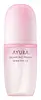
This calming essence is formulated around Tranexamic Acid to calm redness and fade the look of dark spots.
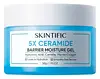
This barrier-repair moisturizer is formulated around Panthenol and Ceramide NP to strengthen the skin barrier and hydrate skin.


What's inside
What's inside
 Key Ingredients
Benefits
Concerns
Ingredients Side-by-side
Tranexamic Acid
Astringent




Thymus Vulgaris Extract
Perfuming
Citrus Aurantium Peel Extract
Perfuming
Gynostemma Pentaphyllum Extract
AstringentHydroxypropyltrimonium Hyaluronate

Glycyrrhiza Glabra Leaf Extract
Skin ConditioningOenothera Biennis Flower/Leaf/Stem Extract
Skin ConditioningSodium Hyaluronate
Humectant


Butylene Glycol
Humectant
Glycerin
Humectant
Dipropylene Glycol
HumectantPEG-8
HumectantMethyl Gluceth-10
EmulsifyingPPG-8-Ceteth-20
EmulsifyingErythritol
Humectant
Polianthes Tuberosa Polysaccharide
Skin ConditioningPolyoxymethylene Glycol Urea
Preservative
Pentylene Glycol
Skin Conditioning
Carbomer
Emulsion StabilisingPEG-40 Hydrogenated Castor Oil
Emulsifying


Sodium Metabisulfite
Antioxidant
Phenoxyethanol
Preservative
Tranexamic Acid, Thymus Vulgaris Extract, Citrus Aurantium Peel Extract, Gynostemma Pentaphyllum Extract, Hydroxypropyltrimonium Hyaluronate, Glycyrrhiza Glabra Leaf Extract, Oenothera Biennis Flower/Leaf/Stem Extract, Sodium Hyaluronate, Butylene Glycol, Glycerin, Dipropylene Glycol, PEG-8, Methyl Gluceth-10, PPG-8-Ceteth-20, Erythritol, Polianthes Tuberosa Polysaccharide, Polyoxymethylene Glycol Urea, Pentylene Glycol, Carbomer, PEG-40 Hydrogenated Castor Oil, Sodium Metabisulfite, Phenoxyethanol
Water
Skin ConditioningButylene Glycol
Humectant
Hydrogenated Polyisobutene
EmollientDimethicone
Emollient
Glycerin
Humectant
Propylene Glycol
Humectant
1,2-Hexanediol
Skin Conditioning
Hydroxyacetophenone
Antioxidant
PEG-400
Emulsion StabilisingAmmonium Acryloyldimethyltaurate/Vp Copolymer
Hydrogenated Lecithin
Emulsifying
Panthenol
Skin Conditioning
Phytosteryl/Octyldodecyl Lauroyl Glutamate
Skin ConditioningCarbomer
Emulsion StabilisingAllantoin
Skin Conditioning
PCA
Humectant
Hydroxyethyl Acrylate/Sodium Acryloyldimethyl Taurate Copolymer
Emulsion StabilisingSqualane
Emollient
Ceramide NP
Skin Conditioning
Ceramide Ns
Skin Conditioning
Ceramide Ng
Skin Conditioning
Ceramide As
Skin Conditioning
Ceramide EOP
Skin Conditioning
Ceramide AP
Skin Conditioning
Sodium Hyaluronate
Humectant
Hydrolyzed Collagen
Emollient
Centella Asiatica Extract
Cleansing
Sodium Hydroxide
BufferingHamamelis Virginiana Extract
Antiseborrhoeic

Trehalose
Humectant
Ectoin
Skin Conditioning
Sophora Flavescens Root Extract
Antioxidant
Opuntia Ficus-Indica Stem Extract
Skin Conditioning
Ophiopogon Japonicus Root Extract
Skin ConditioningYeast Polysaccharides
Skin ConditioningPentylene Glycol
Skin Conditioning
Disodium EDTA
ChelatingPolysorbate 60
Emulsifying
T-Butyl Alcohol
Perfuming

Citrus Aurantium Amara Flower Oil
Masking
Sorbitan Isostearate
Emulsifying
Citrus Aurantium Bergamia Fruit Oil
Masking
Citrus Limon Peel Oil
Masking
Water, Butylene Glycol, Hydrogenated Polyisobutene, Dimethicone, Glycerin, Propylene Glycol, 1,2-Hexanediol, Hydroxyacetophenone, PEG-400, Ammonium Acryloyldimethyltaurate/Vp Copolymer, Hydrogenated Lecithin, Panthenol, Phytosteryl/Octyldodecyl Lauroyl Glutamate, Carbomer, Allantoin, PCA, Hydroxyethyl Acrylate/Sodium Acryloyldimethyl Taurate Copolymer, Squalane, Ceramide NP, Ceramide Ns, Ceramide Ng, Ceramide As, Ceramide EOP, Ceramide AP, Sodium Hyaluronate, Hydrolyzed Collagen, Centella Asiatica Extract, Sodium Hydroxide, Hamamelis Virginiana Extract, Trehalose, Ectoin, Sophora Flavescens Root Extract, Opuntia Ficus-Indica Stem Extract, Ophiopogon Japonicus Root Extract, Yeast Polysaccharides, Pentylene Glycol, Disodium EDTA, Polysorbate 60, T-Butyl Alcohol, Citrus Aurantium Amara Flower Oil, Sorbitan Isostearate, Citrus Aurantium Bergamia Fruit Oil, Citrus Limon Peel Oil
Reviews
Ingredients Explained
These ingredients are found in both products.
Ingredients higher up in an ingredient list are typically present in a larger amount.
Butylene Glycol (or BG) is used within cosmetic products for a few different reasons:
Overall, Butylene Glycol is a safe and well-rounded ingredient that works well with other ingredients.
Though this ingredient works well with most skin types, some people with sensitive skin may experience a reaction such as allergic rashes, closed comedones, or itchiness.
Learn more about Butylene GlycolCarbomer is a synthetic thickening and gelling agent. It's basically the ingredient that gives a lot of serums, gels, creams, and sunscreens their smooth, non-sticky texture.
Although legally permitted at very high levels, carbomers are normally used at concentrations below 1%.
It also needs to be neutralized to actually thicken, and because it is a large molecule, it doesn't really penetrate the skin barrier.
Allergy-wise, the risk is very low. Clinical studies show carbomers have low potential for skin irritation/sensitization even at concentrations up to 100%.
A 2024 UK study patch-tested 1,302 patients and found true allergy to the parent group of carbomer to be rare with no confirmed relevant reactions.
Learn more about CarbomerGlycerin (or glycerol) is a compound naturally found in your skin. It's a powerhouse humectant that pulls water into the stratum corneum.
Topically, glycerin does several things at once:
Your skin makes glycerin on its own (mostly from sebaceous oil breakdown) and shuttles it to your outermost layer of skin, or your epidermis, via aquaporin-3.
Aquaporin-3 is a transporter that is essential for normal skin hydration, elasticity, and repair. Interestingly, mice lacking in AQP3 have dry and less elastic skin that can be fully corrected with glycerin.
This ingredient is non-irritating, plays well with almost every ingredient, and works across all skin types. Typical use is anywhere between 3-10% but can go up to 79% in some leave-on products.
Just know very high concentrations (>40%) can feel tacky in low humidity.
Glycerin is the name for this ingredient in American English. British English uses Glycerol/Glycerine.
Learn more about GlycerinPentylene Glycol (1,2-pentanediol) is a multitasking little diol with three main roles in a formula:
Research on alkanediols (the family pentylene glycol belongs to) show they work by disrupting microbial cell membranes. This disruption helps the primary preservative system in a product work more effectively at lower doses.
On the safety side, the Cosmetic Ingredient Review Expert Panel has concluded this ingredient to be safe as used in current cosmetic practices + concentrations.
Typical use levels in a formula run about 1-5%.
Learn more about Pentylene GlycolSodium Hyaluronate is the salt form of hyaluronic acid. It is a long sugar chain that is naturally found in your skin, joints, and connective tissue that maintains hydration and elasticity.
In skincare, it works as a humectant. It pulls water from the environment and deeper layers of skin and binds it to the surface.
Interestingly, the size of the molecule affects its behavior:
Some clinical evidence links low molecular weight versions to improved wrinkle depth, elasticity, anti-inflammatory effects, and barrier repair.
Many serums use a blend of both weights so you can get surface hydration plus longer-lasting and deeper effects.
You'll typically see concentrations between 0.1-2% for this ingredient.
Learn more about Sodium Hyaluronate

