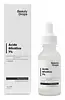
This brightening serum is formulated around Niacinamide and Squalane to fade the look of dark spots and brighten dull-looking skin.
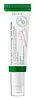
This smoothing exfoliator is formulated around Glycolic Acid and Rosa Damascena Flower Water to refine skin texture and brighten dull-looking skin.


What's inside
What's inside
 Key Ingredients
Benefits
Concerns
Ingredients Side-by-side
Water
Skin ConditioningGlycerin
Humectant


Niacinamide
Smoothing









Sodium Hyaluronate
Humectant
Propanediol
Solvent
Erythritol
Humectant
Butylene Glycol
Humectant
Squalane
Emollient
Oryza Sativa Bran Extract
Skin Conditioning
Calendula Officinalis Flower Extract
Masking
Carica Papaya Fruit Extract
Skin ConditioningHippophae Rhamnoides Fruit Extract
Skin Conditioning
Malpighia Glabra Fruit Extract
Skin ConditioningPolyglyceryl-10 Laurate
Skin Conditioning

Chlorphenesin
Antimicrobial
Arginine
Masking
Ethylhexylglycerin
Skin ConditioningCarbomer
Emulsion StabilisingGlutathione
1,2-Hexanediol
Skin Conditioning
Hydroxypropyl Cyclodextrin
MaskingDisodium EDTA
ChelatingHydroxyethylcellulose
Emulsion StabilisingAllantoin
Skin Conditioning
Rosmarinus Officinalis Leaf Oil
Masking
Water, Glycerin, Niacinamide, Sodium Hyaluronate, Propanediol, Erythritol, Butylene Glycol, Squalane, Oryza Sativa Bran Extract, Calendula Officinalis Flower Extract, Carica Papaya Fruit Extract, Hippophae Rhamnoides Fruit Extract, Malpighia Glabra Fruit Extract, Polyglyceryl-10 Laurate, Chlorphenesin, Arginine, Ethylhexylglycerin, Carbomer, Glutathione, 1,2-Hexanediol, Hydroxypropyl Cyclodextrin, Disodium EDTA, Hydroxyethylcellulose, Allantoin, Rosmarinus Officinalis Leaf Oil
Water
Skin ConditioningRosa Damascena Flower Water
Masking
Glycerin
Humectant
Propanediol
Solvent
Glycolic Acid
Buffering


Betaine
Humectant
Aloe Barbadensis Leaf Juice
Skin Conditioning
Calendula Officinalis Flower Extract
Masking
Proline
Skin Conditioning
Sodium Allantoin PCA
Skin ConditioningSodium PCA
Humectant
Lysine Hcl
Skin Conditioning
Glucose
Humectant
Fructose
Humectant
Sucrose
Humectant
Glutamic Acid
Humectant
Ethylhexylglycerin
Skin ConditioningThreonine
Urea
Buffering
Glycine
Buffering
Sodium Lactate
Buffering
Sodium Phytate
ChelatingGluconolactone
Chelating
Calcium Gluconate
HumectantArginine
Masking
Serine
Masking
Alanine
Masking
Aspartic Acid
Masking
Hexyl Nicotinate
EmollientTocopherol
Antioxidant

Dextrin
AbsorbentPolyacrylate Crosspolymer-6
Emulsion StabilisingT-Butyl Alcohol
Perfuming



Hexylene Glycol
EmulsifyingSodium Benzoate
Masking
Potassium Sorbate
Preservative
Phenoxyethanol
Preservative
Water, Rosa Damascena Flower Water, Glycerin, Propanediol, Glycolic Acid, Betaine, Aloe Barbadensis Leaf Juice, Calendula Officinalis Flower Extract, Proline, Sodium Allantoin PCA, Sodium PCA, Lysine Hcl, Glucose, Fructose, Sucrose, Glutamic Acid, Ethylhexylglycerin, Threonine, Urea, Glycine, Sodium Lactate, Sodium Phytate, Gluconolactone, Calcium Gluconate, Arginine, Serine, Alanine, Aspartic Acid, Hexyl Nicotinate, Tocopherol, Dextrin, Polyacrylate Crosspolymer-6, T-Butyl Alcohol, Hexylene Glycol, Sodium Benzoate, Potassium Sorbate, Phenoxyethanol
Reviews
Ingredients Explained
These ingredients are found in both products.
Ingredients higher up in an ingredient list are typically present in a larger amount.
Arginine is a semi-essential amino acid. This just means our bodies can product a bit on its own, but sometimes needs a little boost from food sources.
It is a part of your skin's natural moisturizing factor (NMF), or the water-loving molecules in your outermost layer of skin (stratum corneum) that keeps everything hydrated and happy.
Here's an interesting thing about Arginine: your skin converts it into urea through the Krebs-Henseleit urea cycle. Urea is one of the most effective humectants your skin naturally produces.
A clinical study showed applying 2.5% arginine hydrochloride to atopic dermatitis skin showed significant urea levels in the stratum corneum and improved moisture in just four weeks.
Arginine is also a precursor to nitric oxide; nitric oxide improves microcirculation and supports wound healing and collagen synthesis.
One study found that an amino acid complex containing Arginine reduced skin irritation, improved hydration, and accelerated skin repair in clinical / in-vivo studies.
Arginine itself is an amino acid and not a fatty acid, oil, or ester. On its own, it's not a direct food source for Malassezia, or the yeast that causes fungal acne.
Learn more about ArginineCalendula Officinalis Flower Extract comes from the marigold flower and has been used on skin for centuries for its calming effect.
In the lab, its active compounds appear to calm inflammation and support the early "healing" phase of minor wounds.
This is why Europe's medicines regulator has approved calendula extracts as a traditional remedy for minor skin inflammation and healing small wounds.
The stronger human evidence is around would/ulcer care rather than everyday cosmetic claims; a review that pulled together 14 studies found that calendula helped calm the early, inflamed stage of a wound and helped new skin tissue form faster.
Two studies also showed it shrank leg ulcers (the kind caused by poor circulation). Results were mixed for burns and for the skin irritation people get from radiation treatment, so it's not a sure thing there.
In cosmetics, it's mostly a skin conditioning and soothing agent.
The Cosmetic Ingredient Review panel concluded that calendula-derived ingredients are safe as used and that the ingredients are not irritating, sensitizing, or photosensitizing in clinical tests (though they may be mild eye irritants).
Typical use levels are quite low; industry data reported it used at under 0.5% (one supplier noted a 10-25% extract blend used at 1-10% in the finished product). Historical use goes up to 10%.
The only thing to keep in mind is if you have daisy/ragweed allergies. Calendula is in the same family and one patch-test study found 2% of dermatitis patients reacted to marigold. Be sure to patch test if you have sensitive or allergy-prone skin.
Learn more about Calendula Officinalis Flower ExtractEthylhexylglycerin is created from glycerin. It is a multitasker ingredient that:
The CIR Expert Panel found minimal skin absorption or sensitization of any kind in a safety assessment. Though this ingredient is considered well-tolerated, a small number of cases of allergic dermatitis have been published since 2002. Just be sure to patch test if you are unsure.
Industry-reported use ranges from 8% in rinse-off products and 2% in leave-on formulations.
Learn more about EthylhexylglycerinGlycerin (or glycerol) is a compound naturally found in your skin. It's a powerhouse humectant that pulls water into the stratum corneum.
Topically, glycerin does several things at once:
Your skin makes glycerin on its own (mostly from sebaceous oil breakdown) and shuttles it to your outermost layer of skin, or your epidermis, via aquaporin-3.
Aquaporin-3 is a transporter that is essential for normal skin hydration, elasticity, and repair. Interestingly, mice lacking in AQP3 have dry and less elastic skin that can be fully corrected with glycerin.
This ingredient is non-irritating, plays well with almost every ingredient, and works across all skin types. Typical use is anywhere between 3-10% but can go up to 79% in some leave-on products.
Just know very high concentrations (>40%) can feel tacky in low humidity.
Glycerin is the name for this ingredient in American English. British English uses Glycerol/Glycerine.
Learn more about GlycerinPropanediol is an all-star ingredient. It softens, hydrates, and smooths the skin.
It’s often used to:
Propanediol is not likely to cause sensitivity and considered safe to use. It is derived from corn or petroleum with a clear color and no scent.
Learn more about PropanediolWater. It's the most common cosmetic ingredient of all. You'll usually see it at the top of ingredient lists, meaning that it makes up the largest part of the product.
So why is it so popular? Water most often acts as a solvent - this means that it helps dissolve other ingredients into the formulation.
You'll also recognize water as that liquid we all need to stay alive. If you see this, drink a glass of water. Remember to stay hydrated!
Learn more about Water

