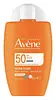
This chemical sunscreen covers the full UV range and blocks ~98% of UVB at SPF 50.
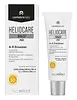
This hybrid sunscreen covers the full UV range and blocks ~98% of UVB at SPF 50.


What's inside
What's inside
 Key Ingredients
Benefits
Concerns
Ingredients Side-by-side
Water
Skin ConditioningC12-15 Alkyl Benzoate
AntimicrobialDicaprylyl Carbonate
EmollientDiethylamino Hydroxybenzoyl Hexyl Benzoate
UV Filter
Diisopropyl Adipate
EmollientEthylhexyl Triazone
UV Absorber
Oryza Sativa Starch
AbsorbentPhenylene Bis-Diphenyltriazine
Stabilising
Bis-Ethylhexyloxyphenol Methoxyphenyl Triazine
UV Absorber
Potassium Cetyl Phosphate
EmulsifyingC9-12 Alkane
SolventLauryl Glucoside
CleansingPolyglyceryl-2 Dipolyhydroxystearate
Skin Conditioning

Glycerin
Humectant


Tapioca Starch
Trimethylpentanediol/Adipic Acid/Glycerin Crosspolymer
Skin ConditioningBenzoic Acid
Masking

Caprylic/Capric Triglyceride
Masking
Caprylyl Glycol
Emollient
Citric Acid
Buffering

Coco-Caprylate/Caprate
Emollient
Glyceryl Laurate
Emollient
Glycine Soja Oil
Emollient




Lens Esculenta Seed Extract
Skin ProtectingPentylene Glycol
Skin Conditioning
PPG-1-PEG-9 Lauryl Glycol Ether
EmulsifyingCI 17200
Cosmetic ColorantSodium Benzoate
Masking
Sodium Phytate
ChelatingTocopherol
Antioxidant



Tocopheryl Glucoside
EmollientXanthan Gum
EmulsifyingWater, C12-15 Alkyl Benzoate, Dicaprylyl Carbonate, Diethylamino Hydroxybenzoyl Hexyl Benzoate, Diisopropyl Adipate, Ethylhexyl Triazone, Oryza Sativa Starch, Phenylene Bis-Diphenyltriazine, Bis-Ethylhexyloxyphenol Methoxyphenyl Triazine, Potassium Cetyl Phosphate, C9-12 Alkane, Lauryl Glucoside, Polyglyceryl-2 Dipolyhydroxystearate, Glycerin, Tapioca Starch, Trimethylpentanediol/Adipic Acid/Glycerin Crosspolymer, Benzoic Acid, Caprylic/Capric Triglyceride, Caprylyl Glycol, Citric Acid, Coco-Caprylate/Caprate, Glyceryl Laurate, Glycine Soja Oil, Lens Esculenta Seed Extract, Pentylene Glycol, PPG-1-PEG-9 Lauryl Glycol Ether, CI 17200, Sodium Benzoate, Sodium Phytate, Tocopherol, Tocopheryl Glucoside, Xanthan Gum
Water
Skin ConditioningCoconut Alkanes
Emollient
Zinc Oxide
Cosmetic Colorant

Caprylyl Methicone
Skin Conditioning
Isododecane
EmollientCyclopentasiloxane
Emollient
Titanium Dioxide
Cosmetic Colorant
Butylene Glycol
Humectant
PEG-9 Polydimethylsiloxyethyl Dimethicone
Emulsifying
Tris-Biphenyl Triazine
UV Absorber
Dimethicone
Emollient
Polyglyceryl-3 Polydimethylsiloxyethyl Dimethicone
Skin Conditioning
Coco-Caprylate/Caprate
Emollient
Polypodium Leucotomos Leaf Extract
Skin Protecting
Phenethyl Benzoate
Emollient

Pentylene Glycol
Skin Conditioning
Tambourissa Trichophylla Leaf Extract
Skin ConditioningGlutathione
Physalis Angulata Extract
Skin ProtectingTocopheryl Acetate
Antioxidant
Squalane
Emollient
Caprylic/Capric Triglyceride
Masking
Methyl Methacrylate Crosspolymer
Propylene Glycol
Humectant
Aluminum Hydroxide
EmollientStearic Acid
Cleansing
Dimethicone/PEG-10/15 Crosspolymer
Dipropylene Glycol
HumectantDisteardimonium Hectorite
StabilisingPropylene Carbonate
SolventDecyl Glucoside
Cleansing
Tocopherol
Antioxidant
Sodium Citrate
BufferingXanthan Gum
EmulsifyingDisodium Phosphate
BufferingMagnesium Sulfate
Disodium EDTA
ChelatingPhenylpropanol
Masking
Propanediol
Solvent
Caprylyl Glycol
Emollient
Triethoxycaprylylsilane
CI 77492
Cosmetic ColorantCI 77499
Cosmetic ColorantCI 77491
Cosmetic ColorantWater, Coconut Alkanes, Zinc Oxide, Caprylyl Methicone, Isododecane, Cyclopentasiloxane, Titanium Dioxide, Butylene Glycol, PEG-9 Polydimethylsiloxyethyl Dimethicone, Tris-Biphenyl Triazine, Dimethicone, Polyglyceryl-3 Polydimethylsiloxyethyl Dimethicone, Coco-Caprylate/Caprate, Polypodium Leucotomos Leaf Extract, Phenethyl Benzoate, Pentylene Glycol, Tambourissa Trichophylla Leaf Extract, Glutathione, Physalis Angulata Extract, Tocopheryl Acetate, Squalane, Caprylic/Capric Triglyceride, Methyl Methacrylate Crosspolymer, Propylene Glycol, Aluminum Hydroxide, Stearic Acid, Dimethicone/PEG-10/15 Crosspolymer, Dipropylene Glycol, Disteardimonium Hectorite, Propylene Carbonate, Decyl Glucoside, Tocopherol, Sodium Citrate, Xanthan Gum, Disodium Phosphate, Magnesium Sulfate, Disodium EDTA, Phenylpropanol, Propanediol, Caprylyl Glycol, Triethoxycaprylylsilane, CI 77492, CI 77499, CI 77491
Reviews
Ingredients Explained
These ingredients are found in both products.
Ingredients higher up in an ingredient list are typically present in a larger amount.
Caprylic/Capric Triglyceride (aka MCT Oil) is a lightweight emollient, solvent, and texture enhancer. It is considered a skin-softener by helping to prevent moisture loss.
Though it behaves like an oil, it is not technically one due to its chemical composition. One perk of this ingredient is that it is very stable, resistant to oxidation, and unlikely to go rancid.
In practice, that translates to a long shelf life and a consistently elegant skin feel.
While there is an assumption Caprylic Triglyceride can clog pores due to it being derived from coconut oil, there is no research supporting this. Just patch test if you have concerns.
Fractionated coconut oil and MCT Oil are both listed as Caprylic/Capric Triglyceride according to INCI. This is because INCI names are based on the ingredient’s final chemical composition and not its marketing name or source.
This ingredient is treated as the gold standard fungal acne safe oil. Even though it is coconut derived, the problematic lauric acid is stripped out.
This leaves just caprylic (C8) and capric (C10) acid. These chain lengths actually trend antifungal; a 2020 study found caprylic acid was enough to disrupt Malassezia furfur cell membrane, with a caprylic acid derivative damaging membrane structures at concentrations as low as 0.2%.
Learn more about Caprylic/Capric TriglycerideCaprylyl Glycol is a humectant, skin conditioner, emollient, and preservative booster derived from either caprylic acid or synthetically created.
Typical use levels vary from 0.3-1% as a preservative booster and go up to 2% to condition skin.
Because it is not a free-fatty acid, this ingredient is fungal acne safe (there's nothing for Malassezia to feed on).
Learn more about Caprylyl GlycolCoco-Caprylate/Caprate is a lightweight ester created from coconut oil fatty acids, caprylic acid, and capric acid.
It is an emollient that helps soften skin and reduce transepidermal water loss (TEWL). What sets it apart from heavier emollients is its ultralight, non-greasy feel.
Once applied, this ingredient dries down quickly and leaves a dry, silky finish behind. This also helps improve spreadability and texture.
This ingredient has an excellent safety-record and is non-irritating.
Typical concentrations for cosmetics range from 0.5-62%.
Research on Malassezia growth found no growth on fatty acid esters with chain lengths shorter than 12 carbons (it prefers C11-24).
Since Coco-Caprylate/Caprate is built on C8 and C10 fatty acids, it is out of the range that Malassezia metabolizes, and therefore safe for fungal acne.
Learn more about Coco-Caprylate/CapratePentylene Glycol (1,2-pentanediol) is a multitasking little diol with three main roles in a formula:
Research on alkanediols (the family pentylene glycol belongs to) show they work by disrupting microbial cell membranes. This disruption helps the primary preservative system in a product work more effectively at lower doses.
On the safety side, the Cosmetic Ingredient Review Expert Panel has concluded this ingredient to be safe as used in current cosmetic practices + concentrations.
Typical use levels in a formula run about 1-5%.
Learn more about Pentylene GlycolTocopherol is a fat-soluble antioxidant known as Vitamin E.
You'll find this ingredient in the vast majority of skincare (for good reason). It works to neutralize free radicals, or unstable molecules generated by UV exposure, pollution, and other environmental stressors, before they can cause oxidative damage to your skin cells.
Topically applied tocopherol has been shown to protect against UV damage by ramping up the skin's own natural defense enzymes.
It also acts as a skin conditioning agent; some studies show that regular topical use can improve the skin's water-binding capacity over 2-4 weeks.
This ingredient is especially loved for being a team player. When combined with Vitamin C, the photoprotective effect of both ingredients roughly doubles and the combo also helps reduce UV-induced DNA damage.
This ingredient has some brightening potential but it's more of a prevention ingredient than spot-fader. Cell studies show it can slow down melanin production but it's worth noting that it's not the most powerful brightener out there.
In formulations, it also serves as a stabilizer that helps protect other oxidation-prone ingredients from degrading.
Concentrations usually range from 0.1-1% in most leave-on products.
Learn more about TocopherolWater. It's the most common cosmetic ingredient of all. You'll usually see it at the top of ingredient lists, meaning that it makes up the largest part of the product.
So why is it so popular? Water most often acts as a solvent - this means that it helps dissolve other ingredients into the formulation.
You'll also recognize water as that liquid we all need to stay alive. If you see this, drink a glass of water. Remember to stay hydrated!
Learn more about WaterXanthan gum is used as a stabilizer and thickener within cosmetic products. It helps give products a sticky, thick feeling - preventing them from being too runny.
On the technical side of things, xanthan gum is a polysaccharide - a combination consisting of multiple sugar molecules bonded together.
Xanthan gum is a pretty common and great ingredient. It is a natural, non-toxic, non-irritating ingredient that is also commonly used in food products.
Learn more about Xanthan Gum

