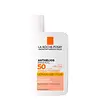
Avène Antirougeurs Rosamed Anti-Redness SPF 50+ Protective Moisturizing Concentrate Versus La Roche-Posay Anthelios Mineral Tinted Ultra Fluid Lotion SPF 50

What's inside
What's inside
 Key Ingredients
Benefits
Concerns
Ingredients Side-by-side
Water
Skin ConditioningC12-15 Alkyl Benzoate
AntimicrobialDiethylamino Hydroxybenzoyl Hexyl Benzoate
UV Filter
Octyldodecanol
Emollient
Ethylhexyl Triazone
UV Absorber
Oryza Sativa Starch
AbsorbentPhenylene Bis-Diphenyltriazine
Stabilising
Glycerin
Humectant


Bis-Ethylhexyloxyphenol Methoxyphenyl Triazine
Skin Conditioning
Potassium Cetyl Phosphate
EmulsifyingSilybum Marianum Fruit Extract
Skin Conditioning
Glyceryl Stearate
Emollient
Pentylene Glycol
Skin Conditioning
Stearyl Alcohol
Emollient
Vp/Eicosene Copolymer
Benzoic Acid
Masking

Caprylic/Capric Triglyceride
Masking
Caprylyl Glycol
Emollient
Citric Acid
Buffering


Glyceryl Behenate
Emollient
Glyceryl Dibehenate
Emollient
PPG-1-PEG-9 Lauryl Glycol Ether
EmulsifyingCI 17200
Cosmetic ColorantTocopheryl Glucoside
EmollientTribehenin
Emollient
Xanthan Gum
EmulsifyingWater, C12-15 Alkyl Benzoate, Diethylamino Hydroxybenzoyl Hexyl Benzoate, Octyldodecanol, Ethylhexyl Triazone, Oryza Sativa Starch, Phenylene Bis-Diphenyltriazine, Glycerin, Bis-Ethylhexyloxyphenol Methoxyphenyl Triazine, Potassium Cetyl Phosphate, Silybum Marianum Fruit Extract, Glyceryl Stearate, Pentylene Glycol, Stearyl Alcohol, Vp/Eicosene Copolymer, Benzoic Acid, Caprylic/Capric Triglyceride, Caprylyl Glycol, Citric Acid, Glyceryl Behenate, Glyceryl Dibehenate, PPG-1-PEG-9 Lauryl Glycol Ether, CI 17200, Tocopheryl Glucoside, Tribehenin, Xanthan Gum
Titanium Dioxide 11%
Cosmetic Colorant
Water
Skin ConditioningIsododecane
EmollientC12-15 Alkyl Benzoate
AntimicrobialDimethicone
Emollient
Undecane
EmollientTriethylhexanoin
MaskingIsohexadecane
EmollientStyrene/Acrylates Copolymer
Nylon-12

Caprylyl Methicone
Skin Conditioning
Butyloctyl Salicylate
Skin Conditioning
Phenethyl Benzoate
Emollient
Silica
Abrasive

Tridecane
Perfuming
Dicaprylyl Carbonate
EmollientDicaprylyl Ether
Emollient
Talc
Abrasive
Dimethicone/PEG-10/15 Crosspolymer
Aluminum Stearate
Cosmetic ColorantPEG-9 Polydimethylsiloxyethyl Dimethicone
Emulsifying
Pentylene Glycol
Skin Conditioning
Alumina
Abrasive
Aluminum Hydroxide
EmollientBenzoic Acid
Masking
Caprylic/Capric Triglyceride
Masking
Caprylyl Glycol
Emollient
Cassia Alata Leaf Extract
AstringentDiethylhexyl Syringylidenemalonate
Skin ProtectingDipropylene Glycol
HumectantDisodium EDTA
Disodium Stearoyl Glutamate
CleansingDisteardimonium Hectorite
StabilisingHelianthus Annuus Seed Oil
Emollient
CI 77491
Cosmetic ColorantCI 77492
Cosmetic ColorantCI 77499
Cosmetic ColorantMagnesium Sulfate
Maltodextrin
Absorbent
PEG-8 Laurate
Emulsifying
Phenoxyethanol
Preservative
Polyhydroxystearic Acid
Emulsifying
Propylene Carbonate
SolventPropylene Glycol
Humectant
Sodium Citrate
BufferingStearic Acid
Cleansing
Tocopherol
Antioxidant



Titanium Dioxide 11%, Water, Isododecane, C12-15 Alkyl Benzoate, Dimethicone, Undecane, Triethylhexanoin, Isohexadecane, Styrene/Acrylates Copolymer, Nylon-12, Caprylyl Methicone, Butyloctyl Salicylate, Phenethyl Benzoate, Silica, Tridecane, Dicaprylyl Carbonate, Dicaprylyl Ether, Talc, Dimethicone/PEG-10/15 Crosspolymer, Aluminum Stearate, PEG-9 Polydimethylsiloxyethyl Dimethicone, Pentylene Glycol, Alumina, Aluminum Hydroxide, Benzoic Acid, Caprylic/Capric Triglyceride, Caprylyl Glycol, Cassia Alata Leaf Extract, Diethylhexyl Syringylidenemalonate, Dipropylene Glycol, Disodium EDTA, Disodium Stearoyl Glutamate, Disteardimonium Hectorite, Helianthus Annuus Seed Oil, CI 77491, CI 77492, CI 77499, Magnesium Sulfate, Maltodextrin, PEG-8 Laurate, Phenoxyethanol, Polyhydroxystearic Acid, Propylene Carbonate, Propylene Glycol, Sodium Citrate, Stearic Acid, Tocopherol
Reviews
Ingredients Explained
These ingredients are found in both products.
Ingredients higher up in an ingredient list are typically present in a larger amount.
Benzoic Acid is an organic acid that shows up in cosmetics as a preservative. It helps keep a product from spoiling by holding back the growth of yeast, mold, and some bacteria.
This ingredient also functions as a fragrance ingredient that helps mask the unpleasant scent of other ingredients.
The way it works is worth understanding; benzoic acid works when the formula is acidic. It is able to sneak into a microbe's cell and mess up how it functions to stop it from growing in an acidic product.
However, the acid switches to an inactive form and stops working if a product isn't acidic enough (above ~5 pH). This is why you'll often see it in low pH products or teamed up with other preservatives to cover the gap.
Safety wise, it's one of the better studied preservatives out there.
The Cosmetic Ingredient Review Expert Panel has concluded this ingredient to be safe for use in cosmetic formulations at concentrations up to 5%.
A large international review found this ingredient had no effects on the human body and had low irritation potential.
Just so you know, real world use is usually much lower than the 5% ceiling (usually 1% of less).
The EU caps it at 2.5% in rinse-off products, 1.7% in oral care, and 0.5% in leave-on products.
One thing worth mentioning (it's nothing to worry about): some people get a little stinging or flushing where they apply it. This isn't a true allergy; it's a temporary and harmless reaction. This is the same kind of mild tingle you might notice from sorbic acid.
Learn more about Benzoic AcidC12-15 Alkyl Benzoate is a lightweight emollient made by combinig benzoic acid with fatty alcohols that are 12-15 carbons long.
In cosmetics, it plays several roles:
The Cosmetic Review Expert Panel has concluded the alkyl benzoate group to be safe as used in cosmetics; it wasn't found to be a skin irritant and unlikely to be absorbed due to its low water solubility.
This report recorded almost 1000 reported uses with concentrations up to 59% in leave-on products but your cosmetics will typically use 0.5-15% depending on the product.
It's often called a "SPF booster": this is because it keeps UV filters properly dissolved and evenly distributed to support a sunscreen's performance. It doesn't actually raise SPF on its own.
Overall, this ingredient is well tolerated.
This ingredient is fungal acne safe because it is an ester of benzoic acid.
Think of this ingredient as two parts stuck together: an oily part and an acid part. Malassezia only gets a meal when it can snip off a fatty acid to eat. With C12-15 Alkyl Benzoate, the acid part is benzoic acid, which isn't a fatty acid and which the yeast can't use as food.
Benzoic acid is actually used as a preservative to stop yeast from growing.
The oily part is a blend of C12-15 fatty alcohols but fatty alcohols in this size range can support only a little Malassezia growth (mostly for one species of Malassezia as well).
In the ingredient, those alcohols stay locked inside the molecule. The yeast can only reach them by snipping the benzoate bond, and that type of bond is harder for it to cut than a normal fatty bond.
So not much gets released. And whatever does get snipped comes packaged with benzoic acid, which discourages yeast growth.
Learn more about C12-15 Alkyl BenzoateCaprylic/Capric Triglyceride (aka MCT Oil) is a lightweight emollient, solvent, and texture enhancer. It is considered a skin-softener by helping to prevent moisture loss.
Though it behaves like an oil, it is not technically one due to its chemical composition. One perk of this ingredient is that it is very stable, resistant to oxidation, and unlikely to go rancid.
In practice, that translates to a long shelf life and a consistently elegant skin feel.
While there is an assumption Caprylic Triglyceride can clog pores due to it being derived from coconut oil, there is no research supporting this. Just patch test if you have concerns.
Fractionated coconut oil and MCT Oil are both listed as Caprylic/Capric Triglyceride according to INCI. This is because INCI names are based on the ingredient’s final chemical composition and not its marketing name or source.
This ingredient is treated as the gold standard fungal acne safe oil. Even though it is coconut derived, the problematic lauric acid is stripped out.
This leaves just caprylic (C8) and capric (C10) acid. These chain lengths actually trend antifungal; a 2020 study found caprylic acid was enough to disrupt Malassezia furfur cell membrane, with a caprylic acid derivative damaging membrane structures at concentrations as low as 0.2%.
Learn more about Caprylic/Capric TriglycerideCaprylyl Glycol is a humectant, skin conditioner, emollient, and preservative booster derived from either caprylic acid or synthetically created.
Typical use levels vary from 0.3-1% as a preservative booster and go up to 2% to condition skin.
Because it is not a free-fatty acid, this ingredient is fungal acne safe (there's nothing for Malassezia to feed on).
Learn more about Caprylyl GlycolPentylene glycol is typically used within a product to thicken it. It also adds a smooth, soft, and moisturizing feel to the product. It is naturally found in plants such as sugar beets.
The hydrophilic trait of Pentylene Glycol makes it a humectant. As a humectant, Pentylene Glycol helps draw moisture from the air to your skin. This can help keep your skin hydrated.
This property also makes Pentylene Glycol a great texture enhancer. It can also help thicken or stabilize a product.
Pentylene Glycol also acts as a mild preservative and helps to keep a product microbe-free.
Some people may experience mild eye and skin irritation from Pentylene Glycol. We always recommend speaking with a professional about using this ingredient in your routine.
Pentylene Glycol has a low molecular weight and is part of the 1,2-glycol family.
Learn more about Pentylene GlycolWater. It's the most common cosmetic ingredient of all. You'll usually see it at the top of ingredient lists, meaning that it makes up the largest part of the product.
So why is it so popular? Water most often acts as a solvent - this means that it helps dissolve other ingredients into the formulation.
You'll also recognize water as that liquid we all need to stay alive. If you see this, drink a glass of water. Remember to stay hydrated!
Learn more about Water
