

What's inside
What's inside
 Key Ingredients
Benefits
Concerns
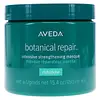
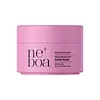
Ingredients Side-by-side
Water
Skin ConditioningCetearyl Alcohol
Emollient






Stearamidopropyl Dimethylamine
EmulsifyingBehentrimonium Methosulfate
SurfactantDicetyldimonium Chloride
EmulsifyingPersea Gratissima Oil
Skin Conditioning

Plukenetia Volubilis Seed Oil
Emollient
Camellia Oleifera Seed Oil
Skin Conditioning
Butyrospermum Parkii Butter
Skin Conditioning
Cocos Nucifera Oil
Masking
Helianthus Annuus Seed Oil
Emollient
Euphorbia Cerifera Cera
Astringent
Behenyl/Octyldodecyl Propanediol Citrate Crosspolymer
Skin ConditioningOctyldodecyl Citrate Crosspolymer
HumectantHydroxypropylammonium Gluconate
HumectantHydroxypropylgluconamide
HumectantBis-Ethyl(Isostearylimidazoline) Isostearamide
Tocopherol
Antioxidant





Propanediol
Solvent
Lactic Acid
Buffering





Tricaprylyl Citrate
EmollientHeptyl Undecylenate
EmollientCetyl Hydroxyethylcellulose
Emulsion StabilisingSqualane
Emollient
Isopropyl Alcohol
Solvent

Cetrimonium Chloride
Antimicrobial
Parfum
Masking
Amyl Cinnamal
Perfuming
Citral
Perfuming
Geraniol
Perfuming
Citronellol
Perfuming
Benzyl Salicylate
Perfuming
Benzyl Benzoate
Antimicrobial
Linalool
Perfuming
Hydroxycitronellal
Perfuming
Limonene
Perfuming
Benzyl Alcohol
Perfuming
Tartaric Acid
Buffering
Sodium Benzoate
Masking
Caprylyl Glycol
Emollient
Potassium Sorbate
Preservative
Phenoxyethanol
Preservative
Water, Cetearyl Alcohol, Stearamidopropyl Dimethylamine, Behentrimonium Methosulfate, Dicetyldimonium Chloride, Persea Gratissima Oil, Plukenetia Volubilis Seed Oil, Camellia Oleifera Seed Oil, Butyrospermum Parkii Butter, Cocos Nucifera Oil, Helianthus Annuus Seed Oil, Euphorbia Cerifera Cera, Behenyl/Octyldodecyl Propanediol Citrate Crosspolymer, Octyldodecyl Citrate Crosspolymer, Hydroxypropylammonium Gluconate, Hydroxypropylgluconamide, Bis-Ethyl(Isostearylimidazoline) Isostearamide, Tocopherol, Propanediol, Lactic Acid, Tricaprylyl Citrate, Heptyl Undecylenate, Cetyl Hydroxyethylcellulose, Squalane, Isopropyl Alcohol, Cetrimonium Chloride, Parfum, Amyl Cinnamal, Citral, Geraniol, Citronellol, Benzyl Salicylate, Benzyl Benzoate, Linalool, Hydroxycitronellal, Limonene, Benzyl Alcohol, Tartaric Acid, Sodium Benzoate, Caprylyl Glycol, Potassium Sorbate, Phenoxyethanol
Water
Skin ConditioningCetearyl Alcohol
Emollient
Prunus Amygdalus Dulcis Oil
Skin Conditioning
Brassicamidopropyl Dimethylamine
Skin ConditioningLinum Usitatissimum Seed Oil
Perfuming
Macadamia Integrifolia Seed Oil
Skin Conditioning
Hydrolyzed Vegetable Protein
Skin ConditioningHydrolyzed Pea Protein
EmollientRicinus Communis Seed Oil
Masking
Olea Europaea Fruit Oil
Masking
Ceramide Ng
Skin Conditioning

Brassica Alba Seed Oil
Skin Protecting
Brassica Oleracea Italica Seed Oil
Emollient
Propanediol
Solvent
Schisandra Chinensis Fruit Extract
Skin Conditioning
Biotin
AntiseborrhoeicPanthenol
Skin Conditioning
Niacinamide
Smoothing

Aspartic Acid
Masking
Parfum
Masking
Benzyl Alcohol
Perfuming
Dehydroacetic Acid
Preservative
Potassium Sorbate
Preservative
Sodium Benzoate
Masking
Water, Cetearyl Alcohol, Prunus Amygdalus Dulcis Oil, Brassicamidopropyl Dimethylamine, Linum Usitatissimum Seed Oil, Macadamia Integrifolia Seed Oil, Hydrolyzed Vegetable Protein, Hydrolyzed Pea Protein, Ricinus Communis Seed Oil, Olea Europaea Fruit Oil, Ceramide Ng, Brassica Alba Seed Oil, Brassica Oleracea Italica Seed Oil, Propanediol, Schisandra Chinensis Fruit Extract, Biotin, Panthenol, Niacinamide, Aspartic Acid, Parfum, Benzyl Alcohol, Dehydroacetic Acid, Potassium Sorbate, Sodium Benzoate
Ingredients Explained
These ingredients are found in both products.
Ingredients higher up in an ingredient list are typically present in a larger amount.
Benzyl Alcohol is an aromatic alcohol with several roles: it's a preservative, solvent, and mild fragrance component with a floral scent.
This ingredient has been deemed safe for use in cosmetic formulations at concentrations up to 5%, and up to 10% in hair dyes. You'll typically see 0.5-2% in most rinse-off or leave-on products.
As a preservative, it works by disrupting the membrane of microbial proteins. This helps keep bacteria and fungi from growing in your products.
The sensitization picture is actually quite assuring as well:of nearly 71,000 patients patch tested with benzyl alcohol, only 0.21% showed a positive reaction with most of them being weakly positive.
This led researchers to conclude that benzyl alcohol cannot be regarded as a significant contact allergen.
It is worth noting this ingredient is classified as one of the EU's regulated fragrance allergens and restricted to 1% in finished products.
Labels must also declare it in concentrations above 0.001% in leave-on products and 0.01% in rinse-off products.
At concentrations around 5%, localized redness and itching can appear as a direct irritant response and not as a true allergic reaction.
Learn more about Benzyl AlcoholCetearyl alcohol is a waxy mixture of two fatty alcohols: cetyl alcohol and stearyl alcohol. It is an emollient and emulsifier.
Despite having "alcohol" in its name, it has nothing to do with drying solvent alcohols; the FDA also allows "alcohol-free" products to contain fatty alcohols like this ingredient.
It plays several roles in a formula:
Typical use levels for this ingredient sit around 1-10% and the Cosmetic Ingredient Review Expert Panel has affirmed safety at concentrations up to 25% in leave-on products.
Multiple assessments have found it to be non-irritating and non-sensitizing to most people.
However, there have been some cases of allergic contact dermatitis in patients with chronically compromised skin barriers.
Cetearyl alcohol has a comedogenic rating of 2 and irritancy rating of 1. Both of these numbers come from the 1989 study that used rabbit ears; a "2" means mildly comedogenic and a "1" means low irritancy.
Here's the catch: rabbit skin is more sensitive than human skin and throws a lot of false positives. A 1996 reappraisal found that ingredients rated 1-2 in the rabbit ear tests are generally safe for humans.
Remember comedogenic ratings are unable to assess the entire formula of a product or how it will react on your skin. Just be sure to patch test if you are unsure about certain ingredients.
This ingredient is not fungal acne safe. Cetearyl alcohol is a fatty alcohol with chain lengths that fall within the range that Malassezia can metabolize.
A 2019 study has also observed Malassezia growth in the presence of this ingredient, confirming it to be not-fungal acne safe.
Learn more about Cetearyl AlcoholParfum is a catch-all term for an ingredient or more that is used to give a scent to products.
Also called "fragrance", this ingredient can be a blend of hundreds of chemicals or plant oils. This means every product with "fragrance" or "parfum" in the ingredients list is a different mixture.
For instance, Habanolide is a proprietary trade name for a specific aroma chemical. When used as a fragrance ingredient in cosmetics, most aroma chemicals fall under the broad labeling category of “FRAGRANCE” or “PARFUM” according to EU and US regulations.
The term 'parfum' or 'fragrance' is not regulated in many countries. In many cases, it is up to the brand to define this term.
For instance, many brands choose to label themselves as "fragrance-free" because they are not using synthetic fragrances. However, their products may still contain ingredients such as essential oils that are considered a fragrance by INCI standards.
One example is Calendula flower extract. Calendula is an essential oil that still imparts a scent or 'fragrance'.
Depending on the blend, the ingredients in the mixture can cause allergies and sensitivities on the skin. Some ingredients that are known EU allergens include linalool and citronellol.
Parfum can also be used to mask or cover an unpleasant scent.
The bottom line is: not all fragrances/parfum/ingredients are created equally. If you are worried about fragrances, we recommend taking a closer look at an ingredient. And of course, we always recommend speaking with a professional.
Learn more about ParfumPotassium Sorbate is a preservative used to prevent yeast and mold in products. It is commonly found in both cosmetic and food products.
This ingredient comes from potassium salt derived from sorbic acid. Sorbic acid is a natural antibiotic and effective against fungus.
Both potassium sorbate and sorbic acid can be found in baked goods, cheeses, dried meats, dried fruit, ice cream, pickles, wine, yogurt, and more.
You'll often find this ingredient used with other preservatives.
Learn more about Potassium SorbatePropanediol is an all-star ingredient. It softens, hydrates, and smooths the skin.
It’s often used to:
Propanediol is not likely to cause sensitivity and considered safe to use. It is derived from corn or petroleum with a clear color and no scent.
Learn more about PropanediolSodium Benzoate is a preservative. It's used in both cosmetic and food products to inhibit the growth of mold and bacteria. It is typically produced synthetically.
Both the US FDA and EU Health Committee have approved the use of sodium benzoate. In the US, levels of 0.1% (of the total product) are allowed.
Sodium benzoate works as a preservative by inhibiting the growth of bacteria inside of cells. It prevents the cell from fermenting a type of sugar using an enzyme called phosphofructokinase.
It is the salt of benzoic acid. Foods containing sodium benzoate include soda, salad dressings, condiments, fruit juices, wines, and snack foods.
Studies for using ascorbic acid and sodium benzoate in cosmetics are lacking, especially in skincare routines with multiple steps.
We always recommend speaking with a professional, such as a dermatologist, if you have any concerns.
Learn more about Sodium BenzoateWater. It's the most common cosmetic ingredient of all. You'll usually see it at the top of ingredient lists, meaning that it makes up the largest part of the product.
So why is it so popular? Water most often acts as a solvent - this means that it helps dissolve other ingredients into the formulation.
You'll also recognize water as that liquid we all need to stay alive. If you see this, drink a glass of water. Remember to stay hydrated!
Learn more about Water

