Aveda Botanical Kinetics Exfoliating Creme Cleanser Versus Aveda Botanical Kinetics Hydrating Lotion
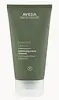
This salicylic acid cream cleanser is formulated around Salicylic Acid to clear breakouts and unclog pores.
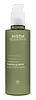
This calming moisturizer is formulated around Simmondsia Chinensis Seed Oil and Avena Sativa Kernel Extract to calm redness and hydrate skin.

What's inside
What's inside
 Key Ingredients
Benefits
Concerns
Ingredients Side-by-side
Water
Skin ConditioningSodium Cocoyl Isethionate
Cleansing
Glycerin
Humectant


Cetyl Alcohol
Emollient


Jojoba Esters
Emollient
Orbignya Oleifera Seed Oil
Emollient
Lauramidopropyl Betaine
CleansingMangifera Indica Seed Butter
Skin Conditioning
Stearic Acid
Cleansing
Lycopene
Antioxidant
Solanum Lycopersicum Seed Oil
Emollient
Limnanthes Alba Seed Oil
Skin Conditioning
Simmondsia Chinensis Seed Oil
Emollient
Tocopherol
Antioxidant




Tourmaline
Glucosamine Hcl
Guar Hydroxypropyltrimonium Chloride
Skin ConditioningSodium Myristoyl Sarcosinate
CleansingBabassuamidopropyl Betaine
CleansingSodium Coco Pg-Dimonium Chloride Phosphate
CleansingPolyglyceryl-10 Pentastearate
Skin Conditioning
Sodium Stearoyl Lactylate
EmulsifyingSalicylic Acid
Masking








Parfum
Masking

Limonene
Perfuming
Linalool
Perfuming
Geraniol
Perfuming
Citronellol
Perfuming
Magnesium Sulfate
Sodium Gluconate
ChelatingEthylhexylglycerin
Skin ConditioningWater, Sodium Cocoyl Isethionate, Glycerin, Cetyl Alcohol, Jojoba Esters, Orbignya Oleifera Seed Oil, Lauramidopropyl Betaine, Mangifera Indica Seed Butter, Stearic Acid, Lycopene, Solanum Lycopersicum Seed Oil, Limnanthes Alba Seed Oil, Simmondsia Chinensis Seed Oil, Tocopherol, Tourmaline, Glucosamine Hcl, Guar Hydroxypropyltrimonium Chloride, Sodium Myristoyl Sarcosinate, Babassuamidopropyl Betaine, Sodium Coco Pg-Dimonium Chloride Phosphate, Polyglyceryl-10 Pentastearate, Sodium Stearoyl Lactylate, Salicylic Acid, Parfum, Limonene, Linalool, Geraniol, Citronellol, Magnesium Sulfate, Sodium Gluconate, Ethylhexylglycerin
Water
Skin ConditioningGlycerin
Humectant
C14-22 Alcohols
Emulsion Stabilising
Caprylic/Capric Triglyceride
Masking
Isopropyl Palmitate
Emollient
Cetyl Alcohol
Emollient
Coco-Caprylate/Caprate
Emollient
Simmondsia Chinensis Seed Oil
Emollient
Olea Europaea Fruit Oil
Masking
Polyglyceryl-10 Oleate
Skin Conditioning
Caffeine
Skin Conditioning
Avena Sativa Kernel Extract
Abrasive
Algae Extract
Emollient
Chlorella Vulgaris Extract
Skin ConditioningAloe Barbadensis Leaf
Masking
Olea Europaea Oil Unsaponifiables
Skin Conditioning
Panthenol
Skin Conditioning
Hydrolyzed Algin
Maris Sal
Skin ConditioningSclerotium Gum
Emulsion StabilisingC12-20 Alkyl Glucoside
EmulsifyingGlyceryl Laurate
Emollient
Hydrogenated Olive Oil
Skin Conditioning
Dimethicone
Emollient
Caprylyl Glycol
Emollient
Sodium Hyaluronate
Humectant
Parfum
Masking
Linalool
Perfuming
Citronellol
Perfuming
Citral
Perfuming
Hydroxycitronellal
Perfuming
Limonene
Perfuming
Geraniol
Perfuming
Phenoxyethanol
Preservative
Water, Glycerin, C14-22 Alcohols, Caprylic/Capric Triglyceride, Isopropyl Palmitate, Cetyl Alcohol, Coco-Caprylate/Caprate, Simmondsia Chinensis Seed Oil, Olea Europaea Fruit Oil, Polyglyceryl-10 Oleate, Caffeine, Avena Sativa Kernel Extract, Algae Extract, Chlorella Vulgaris Extract, Aloe Barbadensis Leaf, Olea Europaea Oil Unsaponifiables, Panthenol, Hydrolyzed Algin, Maris Sal, Sclerotium Gum, C12-20 Alkyl Glucoside, Glyceryl Laurate, Hydrogenated Olive Oil, Dimethicone, Caprylyl Glycol, Sodium Hyaluronate, Parfum, Linalool, Citronellol, Citral, Hydroxycitronellal, Limonene, Geraniol, Phenoxyethanol
Ingredients Explained
These ingredients are found in both products.
Ingredients higher up in an ingredient list are typically present in a larger amount.
Cetyl Alcohol is a fatty alcohol. Fatty Alcohols are most often used as an emollient or to thicken a product.
Its main roles are:
Though it has "alcohol" in the name, it is not related to denatured alcohol or ethyl alcohol.
The FDA allows products labeled "alcohol-free" to have fatty alcohols.
This ingredient may not be fungal acne safe. It is a primary fatty alcohol with a chain length above 12 carbons. A study from 2019 show Malassezia can feed on fatty alcohols in this range, so it may trigger fungal acne in those prone to it.
Learn more about Cetyl AlcoholCitronellol is used to add fragrance/parfum to a product. It is often derived from plants such as roses. In fact, it can be found in many essential oils including geranium, lavender, neroli, and more. The scent of Citronellol is often described as "fresh, grassy, and citrus-like".
Since the Citronellol molecule is already unstable, Citronellol becomes irritating on the skin when exposed to air.
Citronellol is a modified terpene. Terpenes are unsaturated hydrocarbons found in plants. They make up the primary part of essential oils.
Citronellol is not able to be absorbed into deeper layers of the skin. It has low permeability,
Citronellol is also a natural insect repellent.
Learn more about CitronellolGeraniol is used to add fragrance/parfum to a product. It is the main component of citronellol. It is a monoterpenoid and an alcohol.
Monoterpenes are naturally found in many parts of different plants.
Geraniol can be found in many essential oils including Rose Oil and Citronella Oil. The scent of Geraniol is often described as "rose-like". Many foods also contain Geraniol for fruit flavoring.
Geraniol can irritate the skin when exposed to air. However, irritation depends on the ability of geraniol to penetrate into the skin. In general, geraniol is not able to penetrate skin easily.
Geraniol is colorless and has low water-solubility. However, it is soluble in common organic solvents.
Like citronellol, it is a natural insect repellent.
2,6-Octadien-1-ol, 3,7-dimethyl-, (2E)-
Learn more about GeraniolGlycerin (or glycerol) is a compound naturally found in your skin. It's a powerhouse humectant that pulls water into the stratum corneum.
Topically, glycerin does several things at once:
Your skin makes glycerin on its own (mostly from sebaceous oil breakdown) and shuttles it to your outermost layer of skin, or your epidermis, via aquaporin-3.
Aquaporin-3 is a transporter that is essential for normal skin hydration, elasticity, and repair. Interestingly, mice lacking in AQP3 have dry and less elastic skin that can be fully corrected with glycerin.
This ingredient is non-irritating, plays well with almost every ingredient, and works across all skin types. Typical use is anywhere between 3-10% but can go up to 79% in some leave-on products.
Just know very high concentrations (>40%) can feel tacky in low humidity.
Glycerin is the name for this ingredient in American English. British English uses Glycerol/Glycerine.
Learn more about GlycerinLimonene is the compound that gives citrus peel its smell.
In skincare, it shows up as a standalone fragrance ingredient or as a natural compound of citrus and other essential oils.
You'll typically see this ingredient used in very small amounts; anything above 0.001% in a leave-on product or 0.01% in a rinse-off has to be named on the label in the EU. The citrus oils that carry it sit around 0.5-1% in a finished formula.
Fresh limonene is a weak allergen; the real issue is that it slowly reacts with air and then breaks down from oxidation to create hydroperoxides (which are strong sensitizers). This is why suppliers are required to keep the peroxide value below 20 mmol.
Positive reactions in people being investigated for eczema vary:
It's worth skipping if you have a known fragrance allergy or a compromised barrier, but the risk is low for most people.
Older or long-opened products are also more likely to bother you than fresh ones due to oxidation.
Learn more about LimoneneLinalool is a small, naturally occurring scent molecule found in plants like lavender, coriander, bergamot, and more.
It is one of the two most-used fragrance ingredients in cosmetics and added purely for smell. Since it's not used for a skin benefit, there's no "effective dose". Concentration depends on the fragrance load of the product.
The EU requires it to be named on the label above 0.001% in leave-on and 0.01% in rinse-off products.
Fresh linalool is a weak sensitizer but air exposure turns some of it into hydroperoxides, which are strong sensitizers. Those oxidation products are the actual allergy concern.
Patch-test clinics see positive reactions to linalool hydroperoxides in about 4% to 12% of dermatitis patients depending on country and test concentration.
Resassuringly, one analytical study found hydroperoxide levels in real fragranced products to be orders of magnitude below what induced sensitization in animal studies with no evidence of oxidation building up during normal storage.
The practical takeaway is that linalool is fine for most people but worth avoiding if you have a confirmed fragrance contact allergy or a badly compromised barrier.
Products stored a long time after opening are also the high-risk scenario since that is when oxidation happens.
The scent of linalool is described as floral, spicy tropical, and citrus-like.
Learn more about LinaloolParfum is a catch-all term for an ingredient or more that is used to give a scent to products.
Also called "fragrance", this ingredient can be a blend of hundreds of chemicals or plant oils. This means every product with "fragrance" or "parfum" in the ingredients list is a different mixture.
For instance, Habanolide is a proprietary trade name for a specific aroma chemical. When used as a fragrance ingredient in cosmetics, most aroma chemicals fall under the broad labeling category of “FRAGRANCE” or “PARFUM” according to EU and US regulations.
The term 'parfum' or 'fragrance' is not regulated in many countries. In many cases, it is up to the brand to define this term.
For instance, many brands choose to label themselves as "fragrance-free" because they are not using synthetic fragrances. However, their products may still contain ingredients such as essential oils that are considered a fragrance by INCI standards.
One example is Calendula flower extract. Calendula is an essential oil that still imparts a scent or 'fragrance'.
Depending on the blend, the ingredients in the mixture can cause allergies and sensitivities on the skin. Some ingredients that are known EU allergens include linalool and citronellol.
Parfum can also be used to mask or cover an unpleasant scent.
The bottom line is: not all fragrances/parfum/ingredients are created equally. If you are worried about fragrances, we recommend taking a closer look at an ingredient. And of course, we always recommend speaking with a professional.
Learn more about ParfumJojoba oil is one of the most well-studied plant-derived ingredients in cosmetics. It is an emollient with a special structure.
Because it is made up of 97-98% wax esters, it closely mirrors the linear monoesters found in human sebum. This makes it skin compatible, non-greasy, and lightweight.
Unlike other plant oils, jojoba wax doesn't easily penetrate skin. It mostly works in the uppermost layers as an emollient. This just means it forms a light barrier on the skin to help retain moisture.
Formulations with jojoba esters up to 90% reduced transepidermal water loss (TEWL) and increased barrier recovery by 81% (outperforming bisabolol at 47%).
Besides barrier support, the science also suggests jojoba to have anti-inflammatory effects and potential applications for skin infections, aging, and wound healing.
Fun fact: Indigenous cultures have used jojoba as a moisturizer and to help treat burns for centuries.
Fungal acne: The Malassezia yeast is known to metabolize fatty acids in the C11-24 range and jojoba's dominant fatty acid components fall into this range. This ingredient may not be fungal acne safe.
Learn more about Simmondsia Chinensis Seed OilWater. It's the most common cosmetic ingredient of all. You'll usually see it at the top of ingredient lists, meaning that it makes up the largest part of the product.
So why is it so popular? Water most often acts as a solvent - this means that it helps dissolve other ingredients into the formulation.
You'll also recognize water as that liquid we all need to stay alive. If you see this, drink a glass of water. Remember to stay hydrated!
Learn more about Water

