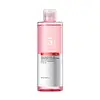
This brightening toner is formulated around Niacinamide and Tranexamic Acid to fade the look of dark spots and brighten dull-looking skin.
This hydrating toner is formulated around Hydrolyzed Hyaluronic Acid and Sodium DNA to hydrate skin and soften the look of wrinkles.

What's inside
What's inside
 Key Ingredients

Benefits
Concerns
Ingredients Side-by-side
Water
Skin ConditioningNiacinamide
Smoothing











Propanediol
Solvent
1,2-Hexanediol
Skin Conditioning
Glycerin
Humectant
Glycereth-25 PCA Isostearate
Emulsifying

Tranexamic Acid
Astringent
Ethylhexylglycerin
Skin ConditioningCarbomer
Emulsion StabilisingCellulose Gum
Emulsion StabilisingAdenosine
Skin Conditioning
Aminomethyl Propanediol
BufferingBiosaccharide Gum-1
Humectant
Disodium EDTA
ChelatingButylene Glycol
Humectant
Glycine Soja Seed Extract
Skin Conditioning
Centella Asiatica Extract
Cleansing
Pentylene Glycol
Skin Conditioning
Beta-Glucan
Skin Conditioning
Coptis Japonica Root Extract
Skin ConditioningOctanediol
Cynanchum Atratum Extract
Skin ConditioningCyanocobalamin
Skin ConditioningAlthaea Rosea Flower Extract
Skin ConditioningPropylene Glycol
Humectant
Pyridoxine Hcl
Skin ConditioningXylitylglucoside
Humectant
Polyglyceryl-10 Oleate
Skin Conditioning
Kojic Acid
Antioxidant

Anhydroxylitol
Humectant
Xylitol
Humectant
Xylose
HumectantPhloretin
Antioxidant
Polyacrylate Crosspolymer-6
Emulsion StabilisingXanthan Gum
EmulsifyingZinc Lactate
Sodium Surfactin
CleansingGlutathione
Water, Niacinamide, Propanediol, 1,2-Hexanediol, Glycerin, Glycereth-25 PCA Isostearate, Tranexamic Acid, Ethylhexylglycerin, Carbomer, Cellulose Gum, Adenosine, Aminomethyl Propanediol, Biosaccharide Gum-1, Disodium EDTA, Butylene Glycol, Glycine Soja Seed Extract, Centella Asiatica Extract, Pentylene Glycol, Beta-Glucan, Coptis Japonica Root Extract, Octanediol, Cynanchum Atratum Extract, Cyanocobalamin, Althaea Rosea Flower Extract, Propylene Glycol, Pyridoxine Hcl, Xylitylglucoside, Polyglyceryl-10 Oleate, Kojic Acid, Anhydroxylitol, Xylitol, Xylose, Phloretin, Polyacrylate Crosspolymer-6, Xanthan Gum, Zinc Lactate, Sodium Surfactin, Glutathione
Water
Skin ConditioningButylene Glycol
Humectant
Glycerin
Humectant
Pentylene Glycol
Skin Conditioning
Propanediol
Solvent
Saccharum Officinarum Extract
MoisturisingXylitylglucoside
Humectant
Glycine Soja Seed Extract
Skin Conditioning
Malachite Extract
Antioxidant
Xylitol
Humectant
Melia Azadirachta Leaf Extract
Skin ConditioningVincetoxicum Atratum Extract
Skin ConditioningMelia Azadirachta Flower Extract
Skin ConditioningCoccinia Indica Fruit Extract
Skin Conditioning
Althaea Rosea Flower Extract
Skin ConditioningAloe Barbadensis Flower Extract
EmollientHydrolyzed Hyaluronic Acid
Humectant
Solanum Melongena Fruit Extract
Skin ConditioningOcimum Sanctum Leaf Extract
Skin ConditioningCorallina Officinalis Extract
Skin Conditioning
Curcuma Longa Root Extract
Antioxidant
1,2-Hexanediol
Skin Conditioning
Betaine
Humectant
Hydroxyacetophenone
Antioxidant
Panthenol
Skin Conditioning
Ethylhexylglycerin
Skin ConditioningAnhydroxylitol
Humectant
Allantoin
Skin Conditioning
Sodium DNA
Skin Conditioning
Dipropylene Glycol
HumectantOctanediol
Phosphatidylcholine
EmulsifyingTocopherol
Antioxidant
Hyaluronic Acid
Humectant
C12-13 Alketh-9
EmulsifyingDipotassium Phosphate
BufferingAcetyl Glutamine
Skin ConditioningCopper Tripeptide-1
Skin Conditioning
Cellulose Gum
Emulsion StabilisingDisodium EDTA
ChelatingXanthan Gum
EmulsifyingWater, Butylene Glycol, Glycerin, Pentylene Glycol, Propanediol, Saccharum Officinarum Extract, Xylitylglucoside, Glycine Soja Seed Extract, Malachite Extract, Xylitol, Melia Azadirachta Leaf Extract, Vincetoxicum Atratum Extract, Melia Azadirachta Flower Extract, Coccinia Indica Fruit Extract, Althaea Rosea Flower Extract, Aloe Barbadensis Flower Extract, Hydrolyzed Hyaluronic Acid, Solanum Melongena Fruit Extract, Ocimum Sanctum Leaf Extract, Corallina Officinalis Extract, Curcuma Longa Root Extract, 1,2-Hexanediol, Betaine, Hydroxyacetophenone, Panthenol, Ethylhexylglycerin, Anhydroxylitol, Allantoin, Sodium DNA, Dipropylene Glycol, Octanediol, Phosphatidylcholine, Tocopherol, Hyaluronic Acid, C12-13 Alketh-9, Dipotassium Phosphate, Acetyl Glutamine, Copper Tripeptide-1, Cellulose Gum, Disodium EDTA, Xanthan Gum
Reviews
Ingredients Explained
These ingredients are found in both products.
Ingredients higher up in an ingredient list are typically present in a larger amount.
1,2-Hexanediol is a synthetic liquid and another multi-functional powerhouse.
It is a:
- Humectant, drawing moisture into the skin
- Emollient, helping to soften skin
- Solvent, dispersing and stabilizing formulas
- Preservative booster, enhancing the antimicrobial activity of other preservatives
This ingredient comes from the hollyhock flower. It has skin conditioning properties.
This ingredient is created from dehydrating xylitol in acidic conditions. Xylitol is a famous sugar and humectant.
Much like its predecessor, anhydroxylitol is a humectant. Humectants attract and hold water to moisturize the skin.
This ingredient is most commonly found in a popular trio called Aquaxyl. Aquaxyl is made up of anhydroxylitol (24 - 34%), xylitylglucoside (35 - 50%), and xylitol (5 - 15%).
According to a manufacturer, Aquaxyl is known for a 3-D hydration concept and an anti-dehydration shield to reinforce the outer layer of skin.
This ingredient is often derived from plants such as wood and sugarcane.
Learn more about AnhydroxylitolButylene Glycol (or BG) is used within cosmetic products for a few different reasons:
Overall, Butylene Glycol is a safe and well-rounded ingredient that works well with other ingredients.
Though this ingredient works well with most skin types, some people with sensitive skin may experience a reaction such as allergic rashes, closed comedones, or itchiness.
Learn more about Butylene GlycolCellulose Gum is a water-soluble polymer that comes from cellulose. It is used to change the texture of a product and to help stabilize emulsions.
As an emulsifier, cellulose gum specifically thicken the texture of water-based products.
This ingredient is considered hypoallergenic and non-toxic. Cellulose Gum can be found in cosmetics, food, and other household goods such as paper products.
Learn more about Cellulose GumDisodium EDTA is a chelating agent. It grabs onto and deactivates metal ions that sneak into your products from water, packaging, or air.
This ingredient mainly works behind the scenes and helps with:
On top of that, this ingredient can counteract the effects of hard water by binding to the minerals in it.
One thing worth knowing is that Disodium EDTA has been shown to be a mild penetration enhancer. It can help other ingredients absorb into skin more effectively which can be a double-edged sword (great for actives, but can also make the active too strong if you have sensitive skin).
Clinical patch testing showed no significant skin irritation at typical use concentrations and minimal dermal absorption.
You'll most likely see this ingredient near the end of an ingredient list. It's typically found in concentrations less than 1%.
Learn more about Disodium EDTAEthylhexylglycerin is created from glycerin. It is a multitasker ingredient that:
The CIR Expert Panel found minimal skin absorption or sensitization of any kind in a safety assessment. Though this ingredient is considered well-tolerated, a small number of cases of allergic dermatitis have been published since 2002. Just be sure to patch test if you are unsure.
Industry-reported use ranges from 8% in rinse-off products and 2% in leave-on formulations.
Learn more about EthylhexylglycerinGlycerin (or glycerol) is a compound naturally found in your skin. It's a powerhouse humectant that pulls water into the stratum corneum.
Topically, glycerin does several things at once:
Your skin makes glycerin on its own (mostly from sebaceous oil breakdown) and shuttles it to your outermost layer of skin, or your epidermis, via aquaporin-3.
Aquaporin-3 is a transporter that is essential for normal skin hydration, elasticity, and repair. Interestingly, mice lacking in AQP3 have dry and less elastic skin that can be fully corrected with glycerin.
This ingredient is non-irritating, plays well with almost every ingredient, and works across all skin types. Typical use is anywhere between 3-10% but can go up to 79% in some leave-on products.
Just know very high concentrations (>40%) can feel tacky in low humidity.
Glycerin is the name for this ingredient in American English. British English uses Glycerol/Glycerine.
Learn more about GlycerinGlycine Soja Seed Extract comes from the seed of the wild soybean plant. Wild soybean extract contains fatty acids (linoleic, oleic, linolenic), vitamin E, and antioxidants.
The wild soybean contains soyasaponins, a bioactive compound. Soyasaponins have inflammatory, antimutagenic, anticarcinogenic, antimicrobial properties. Soyasaponin has also been found to inhibit the melanin-creation process.
Two powerful components found in the wild soybean include genistein and diadzein. These two isoflavones are potent antioxidants with anti-inflammatory properties. Genistein in particular has been found to prevent redness caused by UV exposure.
One study from South Korea found wild soybean extract to help promote hair growth at the cellular level.
The wild soybean plant is a cousin to the famous soybean that gives us tofu, soy milk, and soy sauce.
Learn more about Glycine Soja Seed ExtractWe don't have a description for Octanediol yet.
Pentylene Glycol (1,2-pentanediol) is a multitasking little diol with three main roles in a formula:
Research on alkanediols (the family pentylene glycol belongs to) show they work by disrupting microbial cell membranes. This disruption helps the primary preservative system in a product work more effectively at lower doses.
On the safety side, the Cosmetic Ingredient Review Expert Panel has concluded this ingredient to be safe as used in current cosmetic practices + concentrations.
Typical use levels in a formula run about 1-5%.
Learn more about Pentylene GlycolPropanediol is an all-star ingredient. It softens, hydrates, and smooths the skin.
It’s often used to:
Propanediol is not likely to cause sensitivity and considered safe to use. It is derived from corn or petroleum with a clear color and no scent.
Learn more about PropanediolWater. It's the most common cosmetic ingredient of all. You'll usually see it at the top of ingredient lists, meaning that it makes up the largest part of the product.
So why is it so popular? Water most often acts as a solvent - this means that it helps dissolve other ingredients into the formulation.
You'll also recognize water as that liquid we all need to stay alive. If you see this, drink a glass of water. Remember to stay hydrated!
Learn more about WaterXanthan gum is used as a stabilizer and thickener within cosmetic products. It helps give products a sticky, thick feeling - preventing them from being too runny.
On the technical side of things, xanthan gum is a polysaccharide - a combination consisting of multiple sugar molecules bonded together.
Xanthan gum is a pretty common and great ingredient. It is a natural, non-toxic, non-irritating ingredient that is also commonly used in food products.
Learn more about Xanthan GumXylitol is a humectant and prebiotic. It can help with dry skin.
In studies, xylitol has been shown to improve dry skin. It decreased transepidermal water loss, or when water passes through the skin and evaporates. Xylitol also showed to help improve the biomechanical properties of the skin barrier.
The prebiotic property of xylitol may also help reinforce our skin's natural microbiome. Having a healthy microbiome prevents infection by bad bacteria and helps with hydration.
As a humectant, Xylitol helps draw moisture from both the air and from deeper skin layers. This helps keep skin hydrated.
Xylitol is a sugar alcohol and commonly used as a sugar substitute. It is naturally occurring in plants such as strawberries and pumpkin.
Learn more about XylitolXylitylglucoside is created from xylitol and glucose, two humectants.
Not surprisingly, this ingredient is also a humectant. It attracts and holds water in your skin, helping to maintain hydration.
This ingredient is most commonly found in a popular trio called Aquaxyl. Aquaxyl is made up of anhydroxylitol(24 - 34%), xylitylglucoside (35 - 50%), and xylitol (5 - 15%).
According to a manufacturer, Aquaxyl is known for a 3-D hydration concept and an anti-dehydration shield to reinforce the outer layer of skin.
Learn more about Xylitylglucoside

