

What's inside
What's inside
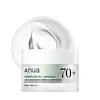 Key Ingredients
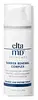
Benefits
Concerns
Ingredients Side-by-side
Houttuynia Cordata Flower/Leaf/Stem Water
Antimicrobial
Cetearyl Alcohol
Emollient




Glycerin
Humectant


1,2-Hexanediol
Skin Conditioning
Caprylic/Capric Triglyceride
Masking
Hydrogenated Poly(C6-14 Olefin)
EmollientHydrogenated Polydecene
EmollientDicaprylyl Ether
Emollient
Vinyldimethicone

Cetearyl Olivate
Vegetable Oil
Skin Conditioning
Glyceryl Stearate Se
Emulsifying
Panthenol
Skin Conditioning

Hydrogenated Lecithin
Emulsifying
Dipropylene Glycol
HumectantBehenyl Alcohol
Emollient
Sorbitan Olivate
Emulsifying
Ammonium Acryloyldimethyltaurate/Vp Copolymer
Cetearyl Glucoside
Emulsifying
Ethylhexylglycerin
Skin ConditioningCholesterol
Emollient
Xanthan Gum
EmulsifyingAdenosine
Skin Conditioning
Ceramide NP
Skin Conditioning
Tocopherol
Antioxidant


Houttuynia Cordata Flower/Leaf/Stem Water, Cetearyl Alcohol, Glycerin, 1,2-Hexanediol, Caprylic/Capric Triglyceride, Hydrogenated Poly(C6-14 Olefin), Hydrogenated Polydecene, Dicaprylyl Ether, Vinyldimethicone, Cetearyl Olivate, Vegetable Oil, Glyceryl Stearate Se, Panthenol, Hydrogenated Lecithin, Dipropylene Glycol, Behenyl Alcohol, Sorbitan Olivate, Ammonium Acryloyldimethyltaurate/Vp Copolymer, Cetearyl Glucoside, Ethylhexylglycerin, Cholesterol, Xanthan Gum, Adenosine, Ceramide NP, Tocopherol
Water
Skin ConditioningEthylhexyl Isononanoate
EmollientNiacinamide
Smoothing




Glycerin
Humectant
Glyceryl Stearate
Emollient
PEG-100 Stearate
Surfactant
Dimethicone
Emollient
Ceramide NP
Skin Conditioning
Cholesterol
Emollient
Ceramide Eos
Skin Conditioning
Cetyl Alcohol
Emollient
Ceramide Ns
Skin Conditioning
Ceteareth-25
CleansingCeramide EOP
Skin Conditioning
Caprooyl Sphingosine
Skin ConditioningCaprooyl Phytosphingosine
Skin Conditioning
Ceramide AP
Skin Conditioning
Hyaluronic Acid
Humectant
Hydroxyethyl Acrylate/Sodium Acryloyldimethyl Taurate Copolymer
Emulsion StabilisingXylitylglucoside
Humectant
Squalane
Emollient
Anhydroxylitol
Humectant
PEG-7 Trimethylolpropane Coconut Ether
Emulsifying
Polyisobutene
Piptadenia Colubrina Peel Extract
HumectantActinidia Chinensis Fruit Extract
EmollientBromelain
Skin Conditioning
Tocopherol
Antioxidant
Xylitol
Humectant
Ficin
Skin ConditioningGlutamine
Skin ConditioningBiotin
AntiseborrhoeicProline
Skin Conditioning
Behenic Acid
Cleansing
Carbomer
Emulsion StabilisingCitric Acid
Buffering

Sodium Hydroxide
BufferingButylene Glycol
Humectant
Benzyl Alcohol
Perfuming





Potassium Sorbate
Preservative
Phenoxyethanol
Preservative
Hexadecane
Perfuming
Sodium Bisulfite
Antioxidant
Disodium EDTA
Water, Ethylhexyl Isononanoate, Niacinamide, Glycerin, Glyceryl Stearate, PEG-100 Stearate, Dimethicone, Ceramide NP, Cholesterol, Ceramide Eos, Cetyl Alcohol, Ceramide Ns, Ceteareth-25, Ceramide EOP, Caprooyl Sphingosine, Caprooyl Phytosphingosine, Ceramide AP, Hyaluronic Acid, Hydroxyethyl Acrylate/Sodium Acryloyldimethyl Taurate Copolymer, Xylitylglucoside, Squalane, Anhydroxylitol, PEG-7 Trimethylolpropane Coconut Ether, Polyisobutene, Piptadenia Colubrina Peel Extract, Actinidia Chinensis Fruit Extract, Bromelain, Tocopherol, Xylitol, Ficin, Glutamine, Biotin, Proline, Behenic Acid, Carbomer, Citric Acid, Sodium Hydroxide, Butylene Glycol, Benzyl Alcohol, Potassium Sorbate, Phenoxyethanol, Hexadecane, Sodium Bisulfite, Disodium EDTA
Ingredients Explained
These ingredients are found in both products.
Ingredients higher up in an ingredient list are typically present in a larger amount.
Ceramide NP (formerly known as Ceramide 3) is one of the skin's naturally occurring lipids.
Since ceramides are the major lipid components of the skin, they are crucial for maintaining skin barrier and hydration. Ceramide NP most closely mirrors the dominant kind in human skin amongst ceramide subtypes.
This ceramide works by slotting into gaps within the stratum corneum's lipid matrix to limit trans-epidermal water loss (TEWL) and shield the skin against external irritants.
A study with 312 patients found that using a ceramide-containing routine for 4 weeks reduced the severity of atopic dermatitis by over 61%.
Another clinical study in subjects aged 60 and older found that a ceramide body wash and moisturizer improved skin dryness and itchy skin in 15 days.
Overall, ceramides are considered non-irritating and safety tests have found little to no observable adverse effects from using this ingredient.
Ceramide NP is usually sourced from plants (like soybean or rice bran), or produced synthetically.
Learn more about Ceramide NPCholesterol is a lipid that is naturally found in human skin and is one of the three key components of your skin barrier. In skincare, it is an emollient and barrier-repairing ingredient.
It works by fitting directly into the lipid layers of skin to help restore structure and reduce transepidermal water loss (TEWL).
This is a great ingredient for dry, compromised, or aging skin; our skin starts to produce less cholesterol with age.
Research shows cholesterol works best in combination with ceramides and fatty acids, the other two major components in your skin barrier.
Cholesterol is also a well-establish penetration enhancer and can help other actives absorb more effectively.
Cosmetic-grade cholesterol is usually derived from lanolin but plant and synthetic options also exist. We recommend reaching out to the brand if you have questions about their source of cholesterol.
Learn more about CholesterolGlycerin (or glycerol) is a compound naturally found in your skin. It's a powerhouse humectant that pulls water into the stratum corneum.
Topically, glycerin does several things at once:
Your skin makes glycerin on its own (mostly from sebaceous oil breakdown) and shuttles it to your outermost layer of skin, or your epidermis, via aquaporin-3.
Aquaporin-3 is a transporter that is essential for normal skin hydration, elasticity, and repair. Interestingly, mice lacking in AQP3 have dry and less elastic skin that can be fully corrected with glycerin.
This ingredient is non-irritating, plays well with almost every ingredient, and works across all skin types. Typical use is anywhere between 3-10% but can go up to 79% in some leave-on products.
Just know very high concentrations (>40%) can feel tacky in low humidity.
Glycerin is the name for this ingredient in American English. British English uses Glycerol/Glycerine.
Learn more about GlycerinTocopherol is a fat-soluble antioxidant known as Vitamin E.
You'll find this ingredient in the vast majority of skincare (for good reason). It works to neutralize free radicals, or unstable molecules generated by UV exposure, pollution, and other environmental stressors, before they can cause oxidative damage to your skin cells.
Topically applied tocopherol has been shown to protect against UV damage by ramping up the skin's own natural defense enzymes.
It also acts as a skin conditioning agent; some studies show that regular topical use can improve the skin's water-binding capacity over 2-4 weeks.
This ingredient is especially loved for being a team player. When combined with Vitamin C, the photoprotective effect of both ingredients roughly doubles and the combo also helps reduce UV-induced DNA damage.
This ingredient has some brightening potential but it's more of a prevention ingredient than spot-fader. Cell studies show it can slow down melanin production but it's worth noting that it's not the most powerful brightener out there.
In formulations, it also serves as a stabilizer that helps protect other oxidation-prone ingredients from degrading.
Concentrations usually range from 0.1-1% in most leave-on products.
Learn more about Tocopherol
