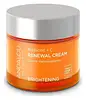
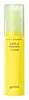
Andalou Naturals Probiotic + C Renewal Cream Versus Goodal Green Tangerine Vita C Dark Circle Eye Cream
This brightening day moisturizer is formulated around Aloe Barbadensis Leaf Juice and Magnesium Ascorbyl Phosphate to brighten dull-looking skin and hydrate skin.
This brightening eye moisturizer is formulated around Niacinamide and Arbutin to fade the look of dark spots and brighten dull-looking skin.


What's inside
What's inside
 Key Ingredients
Benefits
Concerns
Ingredients Side-by-side
Aloe Barbadensis Leaf Juice
Skin Conditioning


Water
Skin ConditioningDicaprylyl Carbonate
EmollientGlycerin
Humectant

Cetyl Alcohol
Emollient



Glyceryl Stearate Citrate
Emollient
Tocopherol
Antioxidant




Stearic Acid
Cleansing
Myristyl Myristate
Emollient

Tapioca Starch
Malus Domestica Fruit Cell Culture Extract
Skin ConditioningButyrospermum Parkii Butter
Skin Conditioning
Simmondsia Chinensis Seed Oil
Emollient
Magnesium Ascorbyl Phosphate
Antioxidant


Hydrolyzed Myrtus Communis Leaf Extract
Skin ProtectingLycium Barbarum Fruit Extract
Astringent
Bacillus
Skin ConditioningHelianthus Annuus Seed Oil
Emollient
Squalane
Emollient
Allantoin
Skin Conditioning
Panthenol
Skin Conditioning
Calendula Officinalis Flower Extract
Masking
Rosa Canina Fruit Oil
Emollient
Camellia Sinensis Leaf Extract
Antimicrobial
Phenethyl Alcohol
MaskingEthylhexylglycerin
Skin ConditioningCitrus Tangerina Peel Oil
Masking
Citrus Aurantium Dulcis Peel Oil
Masking
Aloe Barbadensis Leaf Juice, Water, Dicaprylyl Carbonate, Glycerin, Cetyl Alcohol, Glyceryl Stearate Citrate, Tocopherol, Stearic Acid, Myristyl Myristate, Tapioca Starch, Malus Domestica Fruit Cell Culture Extract, Butyrospermum Parkii Butter, Simmondsia Chinensis Seed Oil, Magnesium Ascorbyl Phosphate, Hydrolyzed Myrtus Communis Leaf Extract, Lycium Barbarum Fruit Extract, Bacillus, Helianthus Annuus Seed Oil, Squalane, Allantoin, Panthenol, Calendula Officinalis Flower Extract, Rosa Canina Fruit Oil, Camellia Sinensis Leaf Extract, Phenethyl Alcohol, Ethylhexylglycerin, Citrus Tangerina Peel Oil, Citrus Aurantium Dulcis Peel Oil
Citrus Tangerina Extract
TonicButylene Glycol
Humectant
Glycerin
Humectant
Propanediol
Solvent
Water
Skin ConditioningPentaerythrityl Tetraethylhexanoate
Emollient
Pentylene Glycol
Skin Conditioning
Niacinamide
Smoothing

Arbutin
Antioxidant
1,2-Hexanediol
Skin Conditioning
Polymethylsilsesquioxane

Diisostearyl Malate
EmollientVinyldimethicone
3-O-Ethyl Ascorbic Acid
Skin Conditioning
Ascorbic Acid Polypeptide
Antioxidant
Chlorella Vulgaris Extract
Skin ConditioningMelia Azadirachta Flower Extract
Skin ConditioningMelia Azadirachta Leaf Extract
Skin ConditioningCurcuma Longa Root Extract
Antioxidant
Ocimum Sanctum Leaf Extract
Skin ConditioningCorallina Officinalis Extract
Skin Conditioning
Diglycerin
Humectant
Caprylic/Capric/Myristic/Stearic Triglyceride
EmollientMethyl Methacrylate Crosspolymer
Sodium Polyacryloyldimethyl Taurate
Emulsion StabilisingAmmonium Acryloyldimethyltaurate/Beheneth-25 Methacrylate Crosspolymer
Emulsion StabilisingBis-Diglyceryl Polyacyladipate-2
Emollient
Glucose
Humectant
Dimethiconol
Emollient
Acrylates/C10-30 Alkyl Acrylate Crosspolymer
Emulsion StabilisingHydroxyacetophenone
Antioxidant
Tromethamine
BufferingFructooligosaccharides
Humectant
Fructose
Humectant
Glucosyl Hesperidin
HumectantEthylhexylglycerin
Skin ConditioningGlyceryl Acrylate/Acrylic Acid Copolymer
HumectantAllantoin
Skin Conditioning
Dipotassium Glycyrrhizate
Humectant
Adenosine
Skin Conditioning
Tocopherol
Antioxidant
Disodium EDTA
ChelatingCitrus Tangerina Extract, Butylene Glycol, Glycerin, Propanediol, Water, Pentaerythrityl Tetraethylhexanoate, Pentylene Glycol, Niacinamide, Arbutin, 1,2-Hexanediol, Polymethylsilsesquioxane, Diisostearyl Malate, Vinyldimethicone, 3-O-Ethyl Ascorbic Acid, Ascorbic Acid Polypeptide, Chlorella Vulgaris Extract, Melia Azadirachta Flower Extract, Melia Azadirachta Leaf Extract, Curcuma Longa Root Extract, Ocimum Sanctum Leaf Extract, Corallina Officinalis Extract, Diglycerin, Caprylic/Capric/Myristic/Stearic Triglyceride, Methyl Methacrylate Crosspolymer, Sodium Polyacryloyldimethyl Taurate, Ammonium Acryloyldimethyltaurate/Beheneth-25 Methacrylate Crosspolymer, Bis-Diglyceryl Polyacyladipate-2, Glucose, Dimethiconol, Acrylates/C10-30 Alkyl Acrylate Crosspolymer, Hydroxyacetophenone, Tromethamine, Fructooligosaccharides, Fructose, Glucosyl Hesperidin, Ethylhexylglycerin, Glyceryl Acrylate/Acrylic Acid Copolymer, Allantoin, Dipotassium Glycyrrhizate, Adenosine, Tocopherol, Disodium EDTA
Reviews
Ingredients Explained
These ingredients are found in both products.
Ingredients higher up in an ingredient list are typically present in a larger amount.
Allantoin is a soothing ingredient known for its protective and moisturizing properties; it's basically a quiet workhorse ingredient you can find in a huge range of cosmetics.
Though it can be derived from the comfrey plant, allantoin is produced synthetically for cosmetic products to ensure purity.
Research shows it can encourage your skin cells to turn over and renew by stimulating keratinocyte and fibroblast proliferation.
It also has mild keratolytic properties to help loosen and shed dead skin cells without being harsh.
Studies also suggest allantoin can help calm inflammation by dialing down some of the chemical signals your skin sends out when it is irritated.
This ingredient is typically used in the 0.1-0.5% range, and the FDA recognizes it as a skin protectant in OTC products up to 2%.
Overall, allantoin is a wonderful addition to most routines; it is stable across a wide pH range (~4-8), works well with other ingredients, and is considered non-sensitizing/non-irritating.
Fun fact: Allantoin is naturally occurring in comfrey root, beets, chamomile, and wheat sprouts. Our bodies even produce it as a byproduct of uric acid metabolism.
Learn more about AllantoinEthylhexylglycerin is created from glycerin. It is a multitasker ingredient that:
The CIR Expert Panel found minimal skin absorption or sensitization of any kind in a safety assessment. Though this ingredient is considered well-tolerated, a small number of cases of allergic dermatitis have been published since 2002. Just be sure to patch test if you are unsure.
Industry-reported use ranges from 8% in rinse-off products and 2% in leave-on formulations.
Learn more about EthylhexylglycerinGlycerin (or glycerol) is a compound naturally found in your skin. It's a powerhouse humectant that pulls water into the stratum corneum.
Topically, glycerin does several things at once:
Your skin makes glycerin on its own (mostly from sebaceous oil breakdown) and shuttles it to your outermost layer of skin, or your epidermis, via aquaporin-3.
Aquaporin-3 is a transporter that is essential for normal skin hydration, elasticity, and repair. Interestingly, mice lacking in AQP3 have dry and less elastic skin that can be fully corrected with glycerin.
This ingredient is non-irritating, plays well with almost every ingredient, and works across all skin types. Typical use is anywhere between 3-10% but can go up to 79% in some leave-on products.
Just know very high concentrations (>40%) can feel tacky in low humidity.
Glycerin is the name for this ingredient in American English. British English uses Glycerol/Glycerine.
Learn more about GlycerinTocopherol is a fat-soluble antioxidant known as Vitamin E.
You'll find this ingredient in the vast majority of skincare (for good reason). It works to neutralize free radicals, or unstable molecules generated by UV exposure, pollution, and other environmental stressors, before they can cause oxidative damage to your skin cells.
Topically applied tocopherol has been shown to protect against UV damage by ramping up the skin's own natural defense enzymes.
It also acts as a skin conditioning agent; some studies show that regular topical use can improve the skin's water-binding capacity over 2-4 weeks.
This ingredient is especially loved for being a team player. When combined with Vitamin C, the photoprotective effect of both ingredients roughly doubles and the combo also helps reduce UV-induced DNA damage.
This ingredient has some brightening potential but it's more of a prevention ingredient than spot-fader. Cell studies show it can slow down melanin production but it's worth noting that it's not the most powerful brightener out there.
In formulations, it also serves as a stabilizer that helps protect other oxidation-prone ingredients from degrading.
Concentrations usually range from 0.1-1% in most leave-on products.
Learn more about TocopherolWater. It's the most common cosmetic ingredient of all. You'll usually see it at the top of ingredient lists, meaning that it makes up the largest part of the product.
So why is it so popular? Water most often acts as a solvent - this means that it helps dissolve other ingredients into the formulation.
You'll also recognize water as that liquid we all need to stay alive. If you see this, drink a glass of water. Remember to stay hydrated!
Learn more about Water

