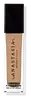
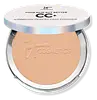
Anastasia Beverly Hills Luminous Foundation Versus IT Cosmetics CC+ Airbrush Perfecting Powder Foundation

What's inside
What's inside
 Key Ingredients
Benefits
Concerns
Ingredients Side-by-side
Water
Skin ConditioningCyclopentasiloxane
Emollient
Isododecane
EmollientCaprylyl Methicone
Skin Conditioning
C12-15 Alkyl Benzoate
AntimicrobialEthylhexyl Palmitate
Emollient




Polyglyceryl-4 Isostearate
Emulsifying
Hexyl Laurate
Emollient
Cetyl PEG/PPG-10/1 Dimethicone
Emulsifying
Glycerin
Humectant


Trimethylsiloxysilicate
Emollient
Butylene Glycol
Humectant
Vinyl Dimethicone/Methicone Silsesquioxane Crosspolymer

Sodium Chloride
MaskingLaminaria Ochroleuca Extract
Skin Conditioning

Alanine
Masking
Arginine
Masking
Glycine
Buffering
Isoleucine
Skin ConditioningHistidine
Humectant
Phenylalanine
Masking
Proline
Skin Conditioning
Threonine
Serine
Masking
Aspartic Acid
Masking
Valine
MaskingSodium PCA
Humectant
Panthenol
Skin Conditioning
Tocopheryl Acetate
Antioxidant


Allantoin
Skin Conditioning
Sodium Lactate
Buffering
PCA
Humectant
Ethylhexylglycerin
Skin ConditioningCaprylic/Capric Triglyceride
Masking
Simethicone
Emollient
Tetrasodium EDTA
ChelatingTriethoxycaprylylsilane
Zinc Stearate
Cosmetic ColorantLauryl PEG-9 Polydimethylsiloxyethyl Dimethicone
Skin Conditioning
Stearalkonium Hectorite
Gel FormingPropylene Carbonate
SolventPhenoxyethanol
Preservative
Chromium Oxide Greens
CI 77007
Cosmetic ColorantIron Oxides
CI 77891
Cosmetic ColorantWater, Cyclopentasiloxane, Isododecane, Caprylyl Methicone, C12-15 Alkyl Benzoate, Ethylhexyl Palmitate, Polyglyceryl-4 Isostearate, Hexyl Laurate, Cetyl PEG/PPG-10/1 Dimethicone, Glycerin, Trimethylsiloxysilicate, Butylene Glycol, Vinyl Dimethicone/Methicone Silsesquioxane Crosspolymer, Sodium Chloride, Laminaria Ochroleuca Extract, Alanine, Arginine, Glycine, Isoleucine, Histidine, Phenylalanine, Proline, Threonine, Serine, Aspartic Acid, Valine, Sodium PCA, Panthenol, Tocopheryl Acetate, Allantoin, Sodium Lactate, PCA, Ethylhexylglycerin, Caprylic/Capric Triglyceride, Simethicone, Tetrasodium EDTA, Triethoxycaprylylsilane, Zinc Stearate, Lauryl PEG-9 Polydimethylsiloxyethyl Dimethicone, Stearalkonium Hectorite, Propylene Carbonate, Phenoxyethanol, Chromium Oxide Greens, CI 77007, Iron Oxides, CI 77891
Lauroyl Lysine
Skin Conditioning
Zinc Stearate
Cosmetic ColorantEthylhexyl Palmitate
Emollient
Caprylyl Glycol
Emollient
Ethylhexylglycerin
Skin ConditioningSilk Powder
Skin ConditioningNiacinamide
Smoothing




Glycine Soja Oil
Emollient
Maltodextrin
Absorbent
Glycerin
Humectant
Water
Skin ConditioningButylene Glycol
Humectant
Hydrolyzed Collagen
Emollient
Chamomilla Recutita Flower Extract
Masking
Chamomilla Recutita Extract
Skin Conditioning
Tocopherol
Antioxidant
Carbomer
Emulsion StabilisingSodium Lactate
Buffering
Polysorbate 20
Emulsifying
Palmitoyl Tripeptide-1
Skin Conditioning
Palmitoyl Tetrapeptide-7
Skin Conditioning
Mica
Cosmetic ColorantCI 77891
Cosmetic ColorantCI 77491
Cosmetic ColorantCI 77492
Cosmetic ColorantCI 77499
Cosmetic ColorantCI 77007
Cosmetic ColorantCI 19140
Cosmetic ColorantLauroyl Lysine, Zinc Stearate, Ethylhexyl Palmitate, Caprylyl Glycol, Ethylhexylglycerin, Silk Powder, Niacinamide, Glycine Soja Oil, Maltodextrin, Glycerin, Water, Butylene Glycol, Hydrolyzed Collagen, Chamomilla Recutita Flower Extract, Chamomilla Recutita Extract, Tocopherol, Carbomer, Sodium Lactate, Polysorbate 20, Palmitoyl Tripeptide-1, Palmitoyl Tetrapeptide-7, Mica, CI 77891, CI 77491, CI 77492, CI 77499, CI 77007, CI 19140
Reviews
Ingredients Explained
These ingredients are found in both products.
Ingredients higher up in an ingredient list are typically present in a larger amount.
Butylene Glycol (or BG) is used within cosmetic products for a few different reasons:
Overall, Butylene Glycol is a safe and well-rounded ingredient that works well with other ingredients.
Though this ingredient works well with most skin types, some people with sensitive skin may experience a reaction such as allergic rashes, closed comedones, or itchiness.
Learn more about Butylene GlycolThis pigment is called Ultramarine blue lazurite. It gives a saturated blue color, but can be used to create other colors as well.
According to the manufacturer, it is usually made from kaolin, sodium sulfate, sodium carbonate, sulfur, and charcoal.
Ci 77891 is a white pigment from Titanium dioxide. It is naturally found in minerals such as rutile and ilmenite.
It's main function is to add a white color to cosmetics. It can also be mixed with other colors to create different shades.
Ci 77891 is commonly found in sunscreens due to its ability to block UV rays.
Learn more about CI 77891Ethylhexyl Palmitate, also known as octyl palmitate, is created from 2-ethylhexyl alcohol and palmitic acid.
In cosmetics, it plays many roles:
One thing worth noting: a controlled study found this ingredient applied under occlusion to acne-prone subjects increased microcomedones. Just keep in mind this was under occlusive conditions and don't reflect how most products are used day-to-day.
For most people, this is a well-tolerated and lightweight ingredient.
This ingredient may not be fungal acne safe because it is an ester of palmitic acid, a C16 fatty acid that falls within the C11-24 range that Malassezia can metabolize.
You'll see this one rated 4 comedogenic all over the internet. That number isn't from a single study, and the actual research is more interesting.
The original rating comes from 1980s rabbit ear tests (which are a shaky basis for anything). But Ethylhexyl Palmitate is one of the few ingredients with real human data behind it. A 2021 controlled trial found this ingredient increased microcomedones by an average of 365% over four weeks.
Just know that test used the pure ingredient under an occlusive pad on back skin; most products use it at much lower levels alongside other ingredients and plenty of people use those with no issue.
Learn more about Ethylhexyl PalmitateEthylhexylglycerin is created from glycerin. It is a multitasker ingredient that:
The CIR Expert Panel found minimal skin absorption or sensitization of any kind in a safety assessment. Though this ingredient is considered well-tolerated, a small number of cases of allergic dermatitis have been published since 2002. Just be sure to patch test if you are unsure.
Industry-reported use ranges from 8% in rinse-off products and 2% in leave-on formulations.
Learn more about EthylhexylglycerinGlycerin (or glycerol) is a compound naturally found in your skin. It's a powerhouse humectant that pulls water into the stratum corneum.
Topically, glycerin does several things at once:
Your skin makes glycerin on its own (mostly from sebaceous oil breakdown) and shuttles it to your outermost layer of skin, or your epidermis, via aquaporin-3.
Aquaporin-3 is a transporter that is essential for normal skin hydration, elasticity, and repair. Interestingly, mice lacking in AQP3 have dry and less elastic skin that can be fully corrected with glycerin.
This ingredient is non-irritating, plays well with almost every ingredient, and works across all skin types. Typical use is anywhere between 3-10% but can go up to 79% in some leave-on products.
Just know very high concentrations (>40%) can feel tacky in low humidity.
Glycerin is the name for this ingredient in American English. British English uses Glycerol/Glycerine.
Learn more about GlycerinSodium Lactate is the sodium salt of lactic acid, an AHA. It is a humectant and sometimes used to adjust the pH of a product.
This ingredient is part of our skin's NMF, or natural moisturizing factor. Our NMF is essential for the hydration of our top skin layers and plasticity of skin. NMF also influences our skin's natural acid mantle and pH, which protects our skin from harmful bacteria.
High percentages of Sodium Lactate can have an exfoliating effect.
Fun fact: Sodium Lactate is produced from fermented sugar.
Learn more about Sodium LactateWater. It's the most common cosmetic ingredient of all. You'll usually see it at the top of ingredient lists, meaning that it makes up the largest part of the product.
So why is it so popular? Water most often acts as a solvent - this means that it helps dissolve other ingredients into the formulation.
You'll also recognize water as that liquid we all need to stay alive. If you see this, drink a glass of water. Remember to stay hydrated!
Learn more about WaterZinc Stearate is the metal salt of stearic acid. It is a white solid used to bind, thicken, and lubricate products.
This ingredient is common in powder makeup, where it helps keep the powder together.
Zinc Stearate is hydrophobic and repels water.
This ingredient can be sourced from non-animal or animal sources. It is best to reach out to the brand to see where they source this ingredient from.
Learn more about Zinc Stearate

