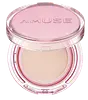
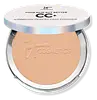
AMUSE Dew Power Vegan Cushion SPF 50+ PA++++ Versus IT Cosmetics CC+ Airbrush Perfecting Powder Foundation


What's inside
What's inside
 Key Ingredients
Benefits
Concerns
Ingredients Side-by-side
Water
Skin ConditioningTitanium Dioxide
Cosmetic Colorant

Zinc Oxide
Cosmetic Colorant
Homosalate
Skin Conditioning
Ethylhexyl Salicylate
UV Absorber
Phenyl Trimethicone
Skin Conditioning
Dimethicone
Emollient
Cyclopentasiloxane
Emollient
Cetyl PEG/PPG-10/1 Dimethicone
Emulsifying
Glycerin
Humectant

Niacinamide
Smoothing








Propylene Glycol Dibenzoate
Skin ConditioningTrimethylsiloxysilicate
Emollient
Vp/Hexadecene Copolymer
Alcohol Denat.
Antimicrobial




Magnesium Sulfate
Centella Asiatica Extract
Cleansing
Isododecane
EmollientPolycaprylylsilsesquioxane
Mentha Aquatica Extract
TonicOryza Sativa Bran Oil
Emollient

Mica
Cosmetic ColorantMethyl Hydrogenated Rosinate
Perfuming

Dimer Dilinoleyl Dimer Dilinoleate
EmollientPEG-10 Dimethicone
Skin Conditioning
Synthetic Fluorphlogopite
Aluminum Acetate
AntimicrobialAluminum Hydroxide
EmollientStearic Acid
Cleansing
Caprylyl Glycol
Emollient
C30-45 Alkyldimethylsilyl Polypropylsilsesquioxane
Glyceryl Caprylate
EmollientPolyglyceryl-5 Polyricinoleate
Emulsifying
Triethoxycaprylylsilane
Lauroyl Lysine
Skin Conditioning
Disteardimonium Hectorite
StabilisingEthylhexylglycerin
Skin ConditioningAlumina
Abrasive
Propylene Carbonate
SolventAdenosine
Skin Conditioning
Tocopherol
Antioxidant

Butylene Glycol
Humectant
1,2-Hexanediol
Skin Conditioning
Nonapeptide-1
Skin Conditioning
Acetyl Hexapeptide-8
Humectant
Copper Tripeptide-1
Skin Conditioning
Tripeptide-1
Skin Conditioning
Palmitoyl Tetrapeptide-7
Skin Conditioning
Palmitoyl Tripeptide-1
Skin Conditioning
Palmitoyl Pentapeptide-4
Skin Conditioning
Hexapeptide-9
Skin Conditioning
Parfum
Masking
CI 77492
Cosmetic ColorantCI 77491
Cosmetic ColorantCI 77499
Cosmetic ColorantWater, Titanium Dioxide, Zinc Oxide, Homosalate, Ethylhexyl Salicylate, Phenyl Trimethicone, Dimethicone, Cyclopentasiloxane, Cetyl PEG/PPG-10/1 Dimethicone, Glycerin, Niacinamide, Propylene Glycol Dibenzoate, Trimethylsiloxysilicate, Vp/Hexadecene Copolymer, Alcohol Denat., Magnesium Sulfate, Centella Asiatica Extract, Isododecane, Polycaprylylsilsesquioxane, Mentha Aquatica Extract, Oryza Sativa Bran Oil, Mica, Methyl Hydrogenated Rosinate, Dimer Dilinoleyl Dimer Dilinoleate, PEG-10 Dimethicone, Synthetic Fluorphlogopite, Aluminum Acetate, Aluminum Hydroxide, Stearic Acid, Caprylyl Glycol, C30-45 Alkyldimethylsilyl Polypropylsilsesquioxane, Glyceryl Caprylate, Polyglyceryl-5 Polyricinoleate, Triethoxycaprylylsilane, Lauroyl Lysine, Disteardimonium Hectorite, Ethylhexylglycerin, Alumina, Propylene Carbonate, Adenosine, Tocopherol, Butylene Glycol, 1,2-Hexanediol, Nonapeptide-1, Acetyl Hexapeptide-8, Copper Tripeptide-1, Tripeptide-1, Palmitoyl Tetrapeptide-7, Palmitoyl Tripeptide-1, Palmitoyl Pentapeptide-4, Hexapeptide-9, Parfum, CI 77492, CI 77491, CI 77499
Lauroyl Lysine
Skin Conditioning
Zinc Stearate
Cosmetic ColorantEthylhexyl Palmitate
Emollient
Caprylyl Glycol
Emollient
Ethylhexylglycerin
Skin ConditioningSilk Powder
Skin ConditioningNiacinamide
Smoothing
Glycine Soja Oil
Emollient
Maltodextrin
Absorbent
Glycerin
Humectant
Water
Skin ConditioningButylene Glycol
Humectant
Hydrolyzed Collagen
Emollient
Chamomilla Recutita Flower Extract
Masking
Chamomilla Recutita Extract
Skin Conditioning
Tocopherol
Antioxidant
Carbomer
Emulsion StabilisingSodium Lactate
Buffering
Polysorbate 20
Emulsifying
Palmitoyl Tripeptide-1
Skin Conditioning
Palmitoyl Tetrapeptide-7
Skin Conditioning
Mica
Cosmetic ColorantCI 77891
Cosmetic ColorantCI 77491
Cosmetic ColorantCI 77492
Cosmetic ColorantCI 77499
Cosmetic ColorantCI 77007
Cosmetic ColorantCI 19140
Cosmetic ColorantLauroyl Lysine, Zinc Stearate, Ethylhexyl Palmitate, Caprylyl Glycol, Ethylhexylglycerin, Silk Powder, Niacinamide, Glycine Soja Oil, Maltodextrin, Glycerin, Water, Butylene Glycol, Hydrolyzed Collagen, Chamomilla Recutita Flower Extract, Chamomilla Recutita Extract, Tocopherol, Carbomer, Sodium Lactate, Polysorbate 20, Palmitoyl Tripeptide-1, Palmitoyl Tetrapeptide-7, Mica, CI 77891, CI 77491, CI 77492, CI 77499, CI 77007, CI 19140
Ingredients Explained
These ingredients are found in both products.
Ingredients higher up in an ingredient list are typically present in a larger amount.
Butylene Glycol (or BG) is used within cosmetic products for a few different reasons:
Overall, Butylene Glycol is a safe and well-rounded ingredient that works well with other ingredients.
Though this ingredient works well with most skin types, some people with sensitive skin may experience a reaction such as allergic rashes, closed comedones, or itchiness.
Learn more about Butylene GlycolCaprylyl Glycol is a humectant, skin conditioner, emollient, and preservative booster derived from either caprylic acid or synthetically created.
Typical use levels vary from 0.3-1% as a preservative booster and go up to 2% to condition skin.
Because it is not a free-fatty acid, this ingredient is fungal acne safe (there's nothing for Malassezia to feed on).
Learn more about Caprylyl GlycolCi 77491 is also hydrated iron III oxide. It's sole purpose is to give a red/pink hue to products.
Iron III oxides are classified as inorganic chemicals for coloring.
Synthetically created Ci 77491 is considered safer than those naturally found. This is because the synthetically created version may contain less impurities. Iron oxides are generally non-toxic and non-allergenic.
Learn more about CI 77491CI 77492 is also hydrated iron III oxide. It's sole purpose is to give a yellow hue to products.
Iron III oxides are classified as inorganic chemicals for coloring.
Synthetically created CI 77492 is considered safer than those naturally found. This is because the synthetically created version may contain less impurities. Iron oxides are generally non-toxic and non-allergenic.
Learn more about CI 77492Ci 77499 is also hydrated iron III oxide. It is created from mixing red and black iron oxides. This helps give shades of darkness to a product.
Iron III oxides are classified as inorganic chemicals for coloring.
Ethylhexylglycerin is created from glycerin. It is a multitasker ingredient that:
The CIR Expert Panel found minimal skin absorption or sensitization of any kind in a safety assessment. Though this ingredient is considered well-tolerated, a small number of cases of allergic dermatitis have been published since 2002. Just be sure to patch test if you are unsure.
Industry-reported use ranges from 8% in rinse-off products and 2% in leave-on formulations.
Learn more about EthylhexylglycerinGlycerin (or glycerol) is a compound naturally found in your skin. It's a powerhouse humectant that pulls water into the stratum corneum.
Topically, glycerin does several things at once:
Your skin makes glycerin on its own (mostly from sebaceous oil breakdown) and shuttles it to your outermost layer of skin, or your epidermis, via aquaporin-3.
Aquaporin-3 is a transporter that is essential for normal skin hydration, elasticity, and repair. Interestingly, mice lacking in AQP3 have dry and less elastic skin that can be fully corrected with glycerin.
This ingredient is non-irritating, plays well with almost every ingredient, and works across all skin types. Typical use is anywhere between 3-10% but can go up to 79% in some leave-on products.
Just know very high concentrations (>40%) can feel tacky in low humidity.
Glycerin is the name for this ingredient in American English. British English uses Glycerol/Glycerine.
Learn more about GlycerinThis ingredient comes from a fatty acid (lauric acid) and amino acid (lysine). It is used to add a silky feel to cosmetics.
According to a manufacturer, its fatty acid base leaves a silky feeling on the skin. It also has emollient properties because of this. Emollients help soften skin by preventing water from evaporating.
Lauroyl lysine is barely soluble in water.
Learn more about Lauroyl LysineMica is a naturally occurring mineral used to add shimmer and color in cosmetics. It can also help improve the texture of a product or give it an opaque, white/silver color.
Serecite is the name for very fine but ragged grains of mica.
This ingredient is often coated with metal oxides like titanium dioxide. Trace amounts of heavy metals may be found in mica, but these metals are not harmful in our personal products.
Mica has been used since prehistoric times throughout the world. Ancient Egyptian, Indian, Greek, Roman, Aztec, and Chinese civilizations have used mica.
Learn more about MicaNiacinamide is a multitasking form of vitamin B3 that strengthens the skin barrier, reduces pores and dark spots, regulates oil, and improves signs of aging.
And the best part? It's gentle and well-tolerated by most skin types, including sensitive and reactive skin.
You might have heard of "niacin flush", or the reddening of skin that causes itchiness. Niacinamide has not been found to cause this.
In very rare cases, some individuals may not be able to tolerate niacinamide at all or experience an allergic reaction to it.
If you are experiencing flaking, irritation, and dryness with this ingredient, be sure to double check all your products as this ingredient can be found in all categories of skincare.
When incorporating niacinamide into your routine, look out for concentration amounts. Typically, 5% niacinamide provides benefits such as fading dark spots. However, if you have sensitive skin, it is better to begin with a smaller concentration.
When you apply niacinamide to your skin, your body converts it into nicotinamide adenine dinucleotide (NAD). NAD is an essential coenzyme that is already found in your cells as "fuel" and powers countless biological processes.
In your skin, NAD helps repair cell damage, produce new healthy cells, support collagen production, strengthen the skin barrier, and fight environmental stressors (like UV and pollution).
Our natural NAD levels start to decline with age, leading to slower skin repair, visible aging, and a weaker skin barrier. By providing your skin niacinamide, you're recharging your skin's NAD levels. This leads to stronger, healthier, and younger looking skin.
Another name for vitamin B3 is nicotinamide. This vitamin is water-soluble and our bodies don't store it. We obtain Vitamin B3 from either food or skincare. Meat, fish, wheat, yeast, and leafy greens contain vitamin B3.
The type of niacinamide used in skincare is synthetically created.
Learn more about NiacinamidePalmitoyl Tetrapeptide-7 (formerly Palmitoyl Tetrapeptide-3) is a synthetic peptide. Its main job is to fight what researchers call "inflammaging".
"Inflammaging" is the slow, low-grade chronic inflammation that quietly breaks down collagen as we age.
This ingredient calms down a specific inflammation signal in your skin cells (called IL-6). When left unchecked, this signal triggers enzymes that break down collagen and elastin.
Clinical testing showed statistically significant improvements in:
Studies also found the more of this ingredient used, the more your skin produces Collagen I, fibronectin, and hyaluronic acid.
You'll likely see this ingredient paired with Palmitoyl Tripeptide-1 in the well-known Matrixyl 3000 complex for enhanced anti-aging effects.
A 3% concentration applied twice daily for two months showed meaningful skin rejuvenation results in clinical panels.
Fungal acne note:
Usually a palmitic acid component can feed Malassezia in unbound form, but here is is covalently bonded to the peptide. This means it is very difficult for Malassezia to access, and therefore very unlikely to cause fungal acne.
Palmitoyl Tripeptide-1 (aka Pal-GHK) is a synthetic signal peptide made of three amino acids attached to palmitic acid.
That fatty acid attachment is the key: it boosts the peptide's ability to penetrate the skin barrier. This puts it closer to the dermal cells where it can actually make a difference.
Once there, it acts as a matrikine, a signaling peptide that prompts fibroblasts to produce more collagen, fibronectin, and hyaluronic acid.
In vitro studies show it can boost collagen production in skin cells even when UV-damaged skin samples were treated with it at a tiny concentration (it almost fully restored dermal collagen at 5ppm). It achieved this at 100x lower concentration than retinoic acid, which needed 500 ppm to do the same thing.
Human clinical data is promising, but modest:
A study of 23 female volunteers found a small but statistically significant increase (~4%) in skin thickness after treatment at 4 ppm.
A separate small trial of 15 women showed statistically significant reductions in wrinkle length, depth, and skin roughness after applying it twice daily for four weeks.
You'll likely see Pal-GHK paired with Palmitoyl Tetrapeptide-7 as part of the Matrixyl 3000 complex.
Fungal acne note:
Usually a palmitic acid component can feed Malassezia in unbound form, but here is is covalently bonded to the peptide. This means it is very difficult for Malassezia to access, and therefore very unlikely to cause fungal acne.
Tocopherol is a fat-soluble antioxidant known as Vitamin E.
You'll find this ingredient in the vast majority of skincare (for good reason). It works to neutralize free radicals, or unstable molecules generated by UV exposure, pollution, and other environmental stressors, before they can cause oxidative damage to your skin cells.
Topically applied tocopherol has been shown to protect against UV damage by ramping up the skin's own natural defense enzymes.
It also acts as a skin conditioning agent; some studies show that regular topical use can improve the skin's water-binding capacity over 2-4 weeks.
This ingredient is especially loved for being a team player. When combined with Vitamin C, the photoprotective effect of both ingredients roughly doubles and the combo also helps reduce UV-induced DNA damage.
This ingredient has some brightening potential but it's more of a prevention ingredient than spot-fader. Cell studies show it can slow down melanin production but it's worth noting that it's not the most powerful brightener out there.
In formulations, it also serves as a stabilizer that helps protect other oxidation-prone ingredients from degrading.
Concentrations usually range from 0.1-1% in most leave-on products.
Learn more about TocopherolWater. It's the most common cosmetic ingredient of all. You'll usually see it at the top of ingredient lists, meaning that it makes up the largest part of the product.
So why is it so popular? Water most often acts as a solvent - this means that it helps dissolve other ingredients into the formulation.
You'll also recognize water as that liquid we all need to stay alive. If you see this, drink a glass of water. Remember to stay hydrated!
Learn more about Water

